
Last updated November 22, 2026
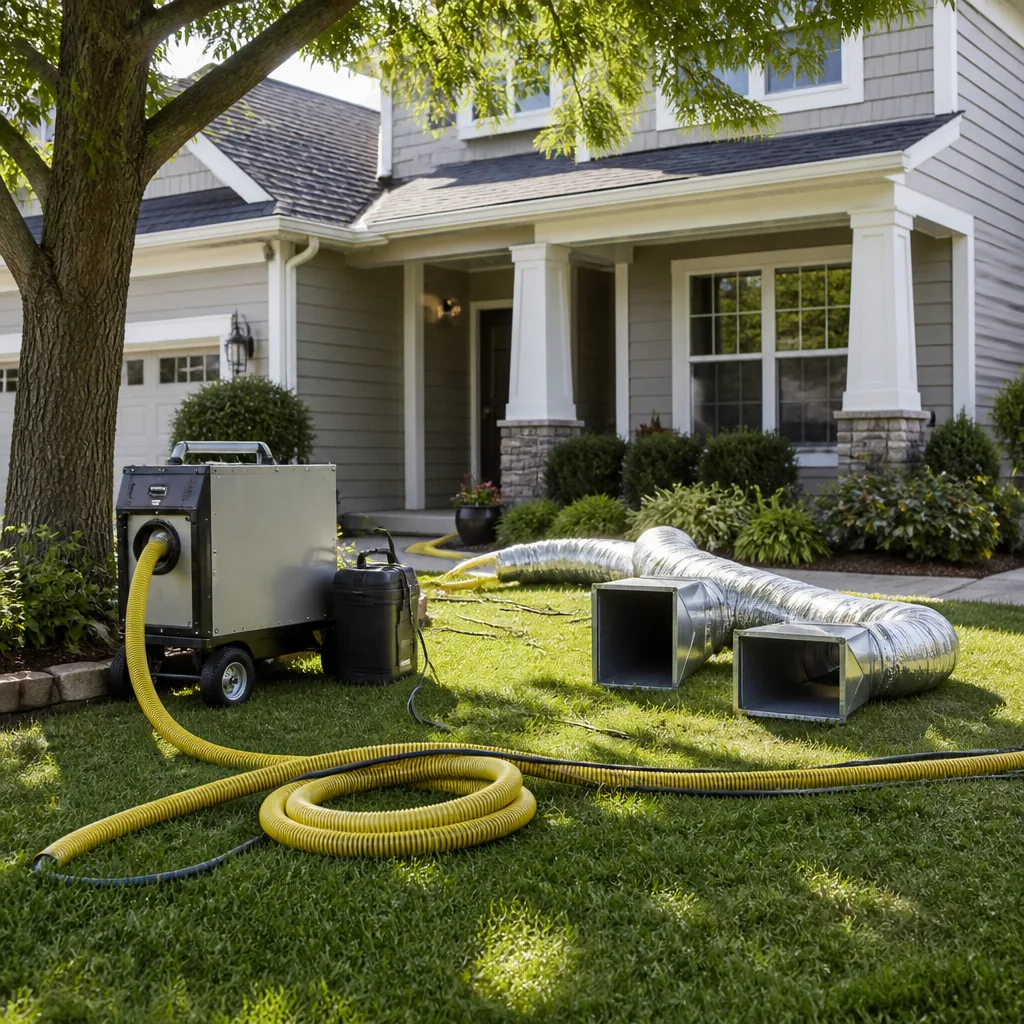 Whole-home duct cleaning
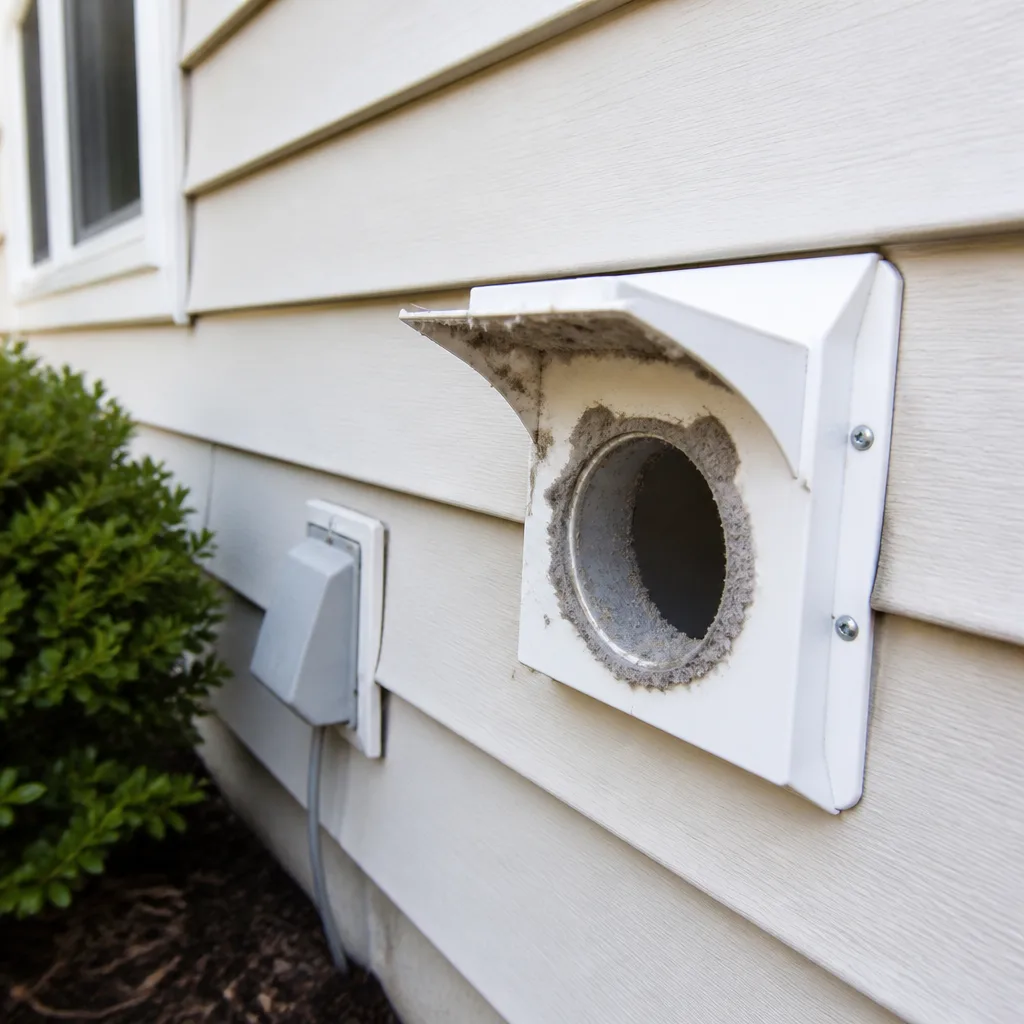 Dryer vent cleaning
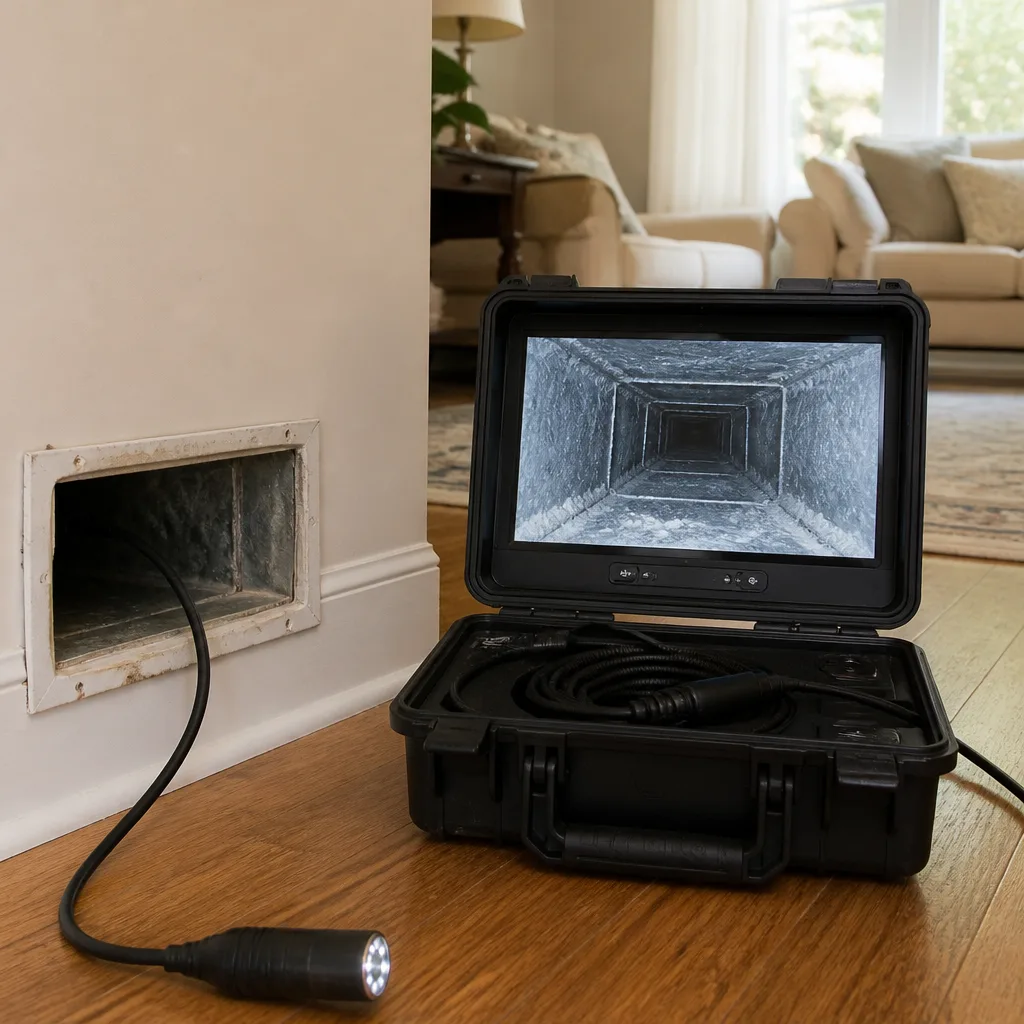 Camera inspection
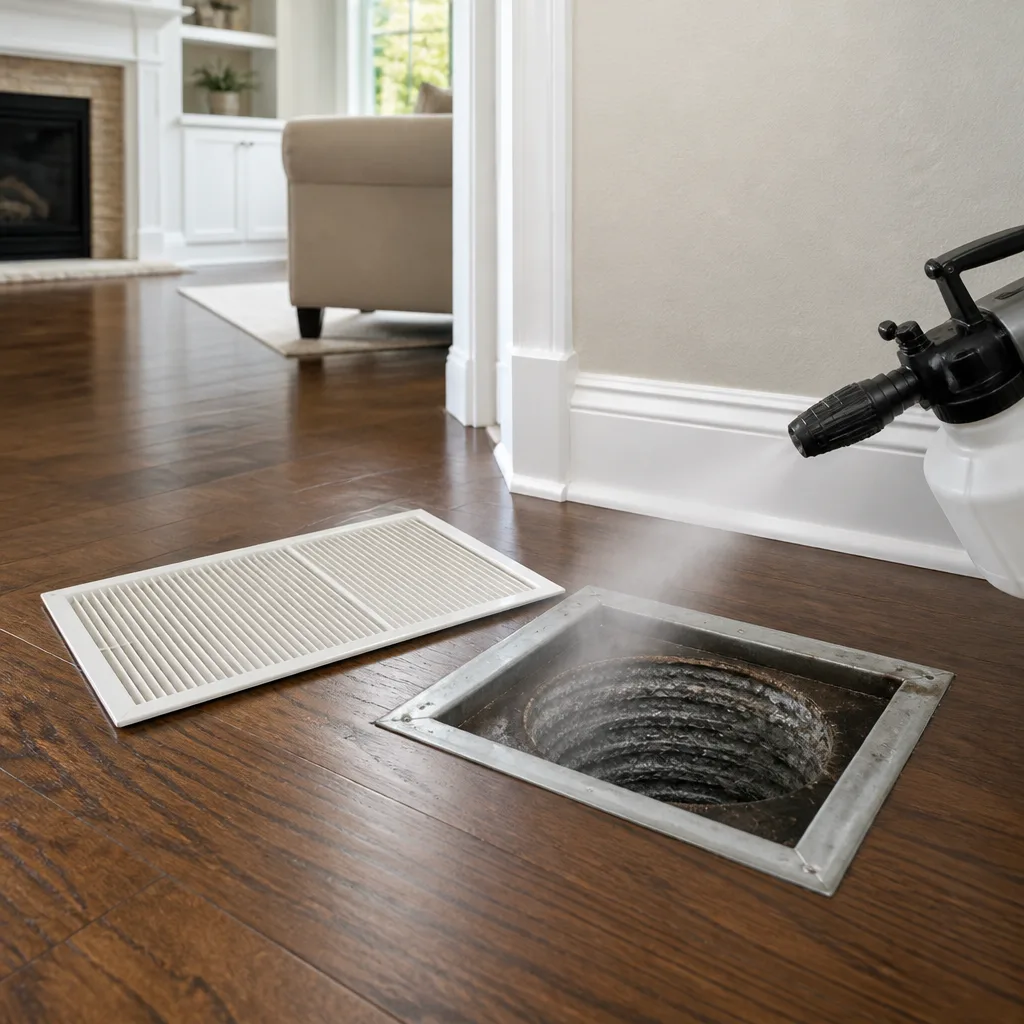 Sanitizing & deodorizing
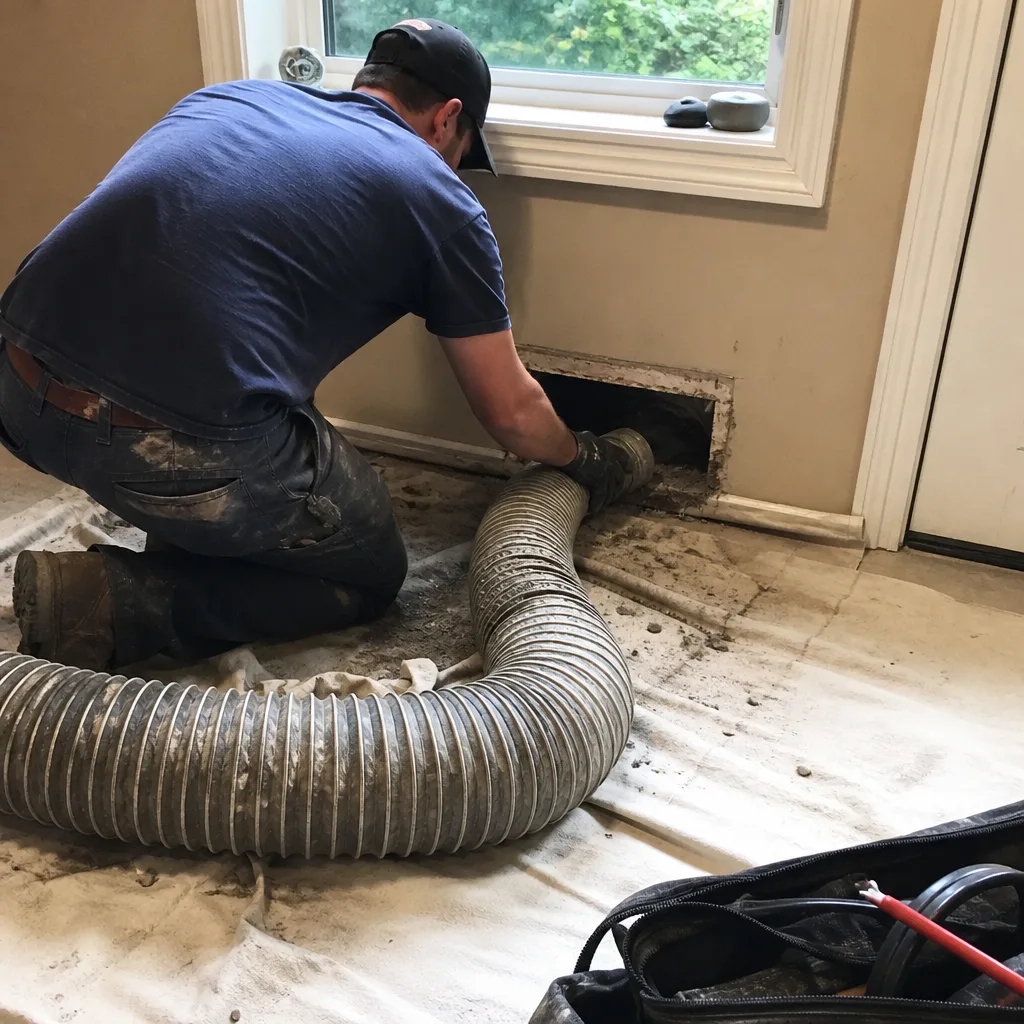
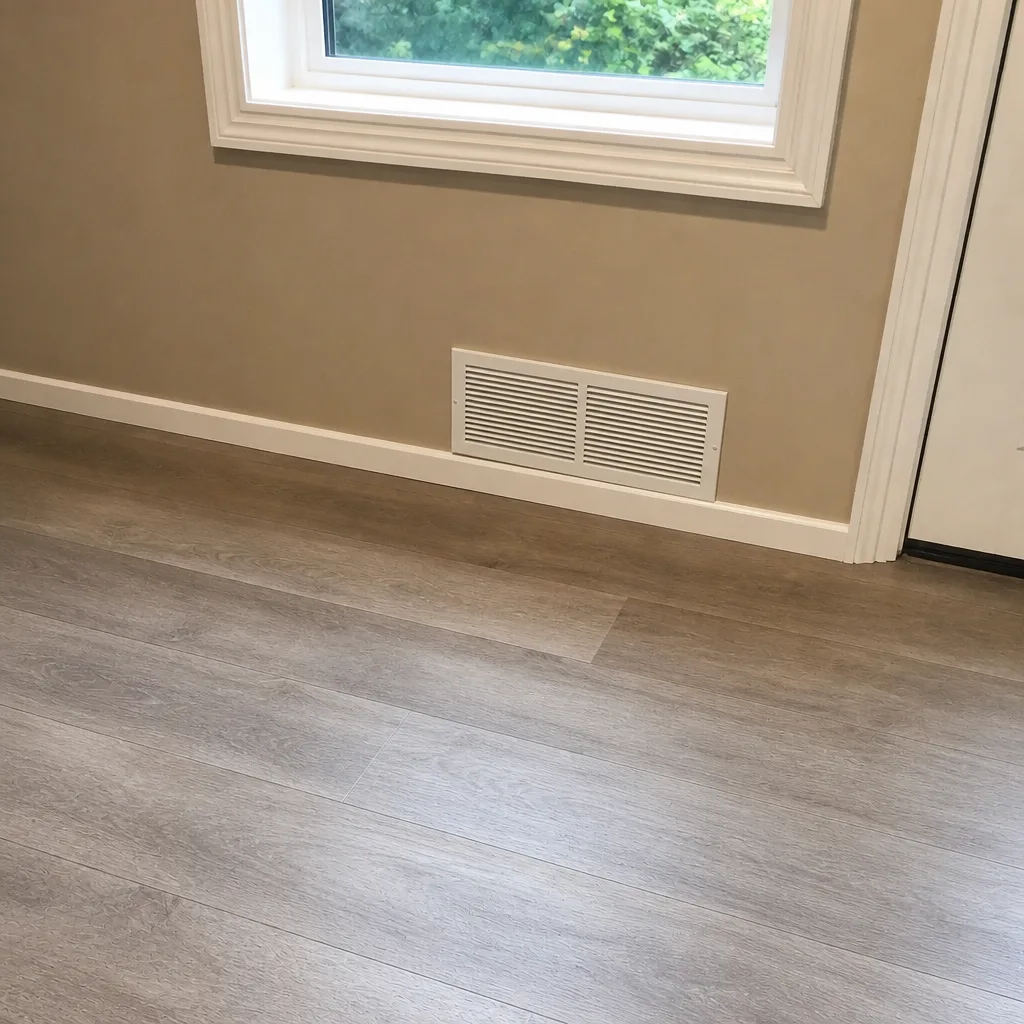
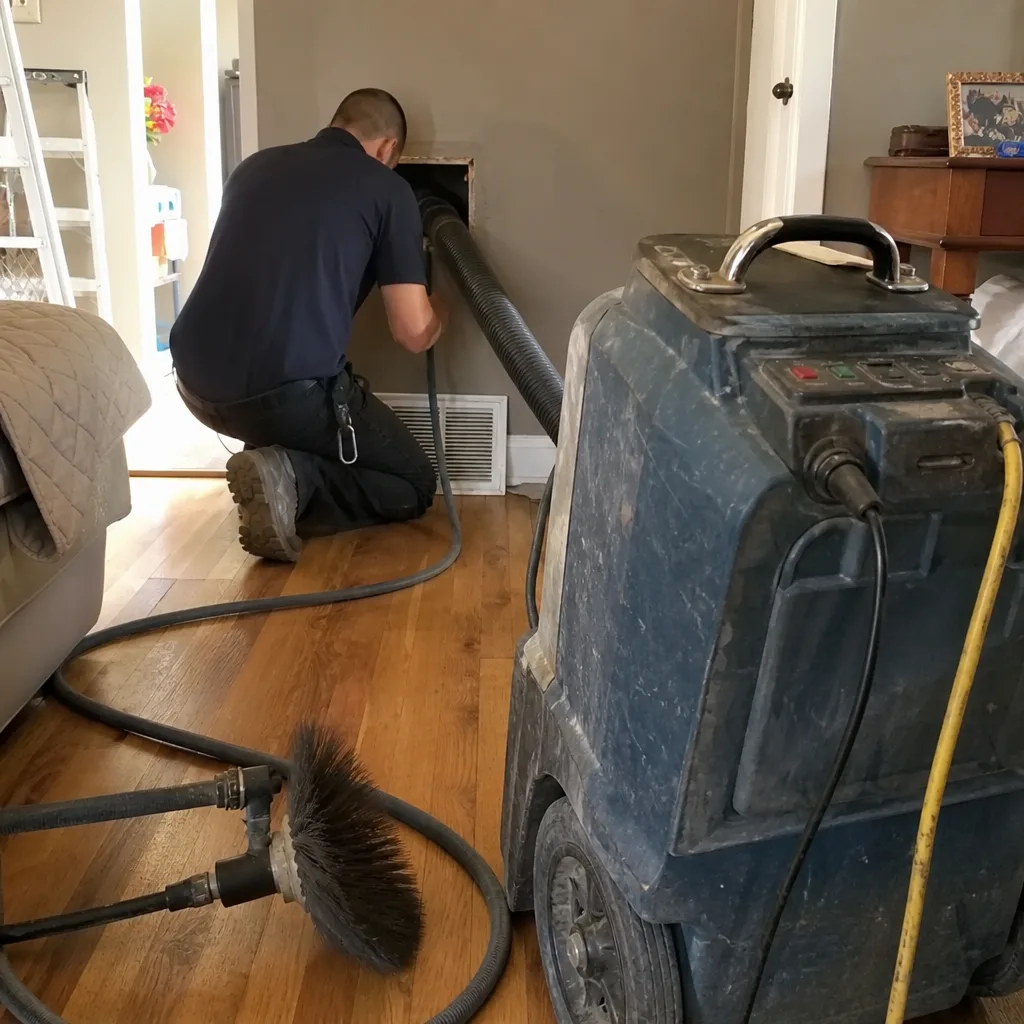
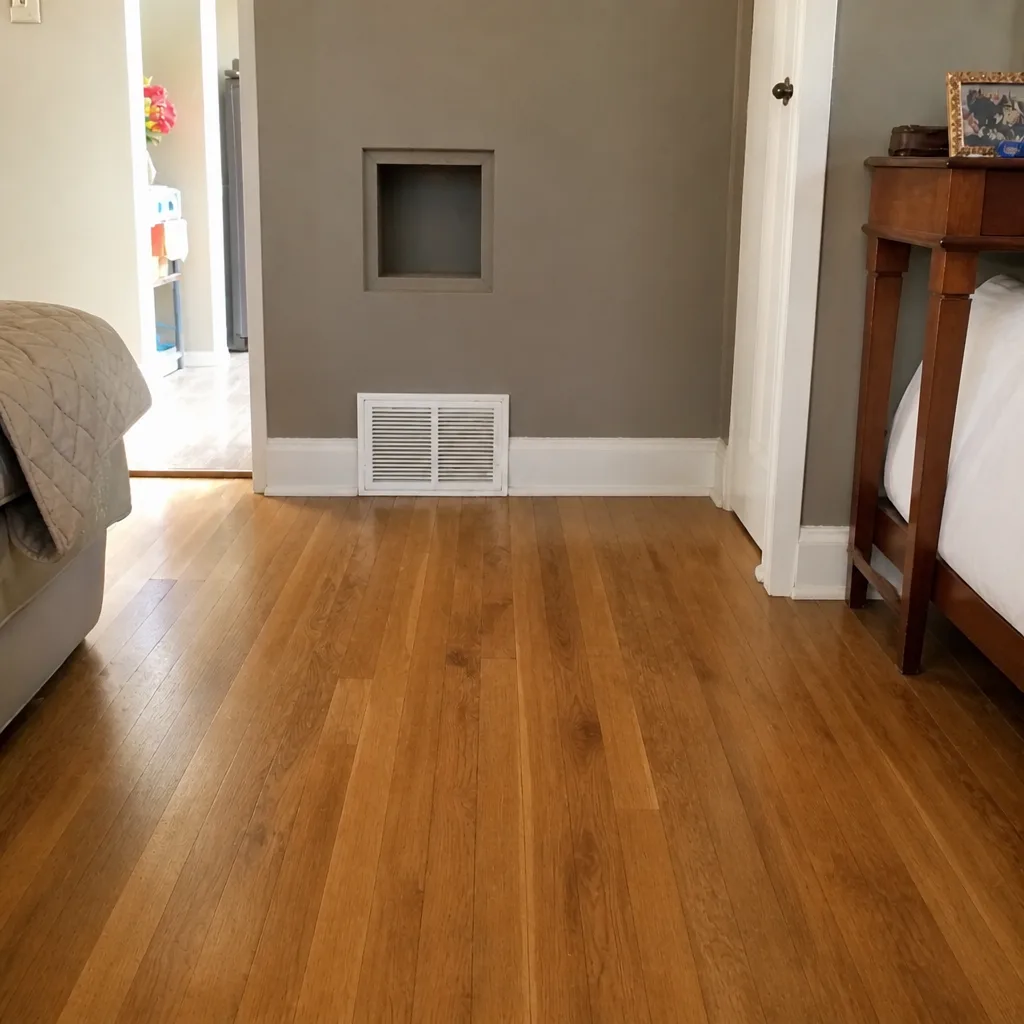
Whole-system duct and dryer vent check with before-and-after photos - you see exactly what came out of your vents
That "$99 whole-house special" is a bait ad - the real number appears once they are in your hallway, or the "clean" is a shop-vac at the register. We photograph the inside of your ducts before and after instead.
Air Duct Cleaning Maintenance Checklist for Gravesend Homeowners
A 1960s Gravesend semi-detached with original galvanized trunk lines and a family of five needs a fundamentally different maintenance schedule than a 2015 condo with flex duct. Most published checklists ignore that gap. They hand every homeowner the same advice: change the filter, call someone eventually, hope for the best. That approach doesn’t account for the building you actually live in. In this guide we’ll show you how to build a property-specific schedule around four factors that genuinely drive contamination: your duct material, your home’s age, how many people share the space, and whether pets or allergies are in the picture. You’ll also get a monthly inspection routine that needs no tools, a clear split between what you can track yourself and what requires professional equipment, and a documentation habit that pays off at resale. Gravesend homes have their own patterns, and this checklist is built for them.
Quick Answer
Build your Gravesend duct maintenance schedule around four variables: duct material (galvanized steel, flex, or a mix), home age (pre-1980 buildings tend to have more seams and joints where debris collects), occupant count, and pet or allergy status. The baseline is a visual homeowner check every month, a filter change on your system’s own cadence, and a professional whole-system cleaning every three to five years, tightened to every two years for older homes with shedding pets or allergy sufferers. Sync dryer vent cleaning to the same cycle so it never gets forgotten.
Styles & brands we work with
- Whole-home duct cleaning
- Dryer vent cleaning
- Camera inspection
- Sanitizing & deodorizing
Table of Contents
- Why Your Gravesend Home Needs Its Own Schedule
- Monthly Homeowner Checks That Need No Tools
- Annual vs. Bi-Annual Tasks: What You Track and What Needs a Pro
- Dryer Vent Inspection: The Parallel Schedule
- How to Document Cleaning History for NY Resale Disclosure
- What Professional Equipment Actually Does Differently
- Seasonal Timing for Gravesend Homes
- Common Mistakes to Avoid
Why Your Gravesend Home Needs Its Own Schedule
The four factors that determine your cleaning interval aren’t equally weighted. Duct material is the biggest driver. Galvanized steel duct, common in older Gravesend homes, has tight seams and smooth walls that shed debris fairly predictably. Flex duct, the corrugated plastic-lined material standard in renovations and newer builds, has ridges that trap particulate along the entire run. A flex system in the same house with the same occupants will collect measurable debris faster than a steel one.
Home age comes second. Older buildings have more joints, transitions, and sometimes legacy modifications where a previous owner tapped a branch line without sealing it properly. Those gaps pull in dust from unconditioned spaces. We’ve seen plenty of Gravesend two-families where the basement trunk line was extended informally, and that extension collects more than the rest of the system combined.
Occupant count and pet status matter more than most people realize. Skin cells, hair, and fabric fibers are the bulk of what settles in ductwork, and more occupants means more of it. Shedding pets multiply the load. Allergy or asthma in the household should push your interval shorter regardless of the other factors.
How the four factors combine
- Steel duct, two occupants, no pets, no allergies: professional cleaning every five years is reasonable.
- Mixed steel and flex, family of four, one pet: every three years.
- All-flex system, three or more occupants, shedding pet, allergy in the home: every two years, and consider sealing gaps at the same time.
- Pre-1980 Gravesend building with original trunk lines: spot-check seams and joints more often, and let a professional inspect before extending your interval past three years.
Estimate your own number from that table, then treat it as a starting point rather than a rule. You can always tighten it if the monthly checks below start showing trouble.
Monthly Homeowner Checks That Need No Tools
You can catch most developing duct problems with nothing more than your eyes and nose. Set a reminder for the same day each month and run through this list. It takes about ten minutes in a typical Gravesend apartment or house.
1. Register visual check
Pop the grille off one or two supply registers and look inside with a phone flashlight. You’re looking for visible dust buildup on the duct walls, dark streaking around the edges of the grille opening, or debris sitting in the boot at the bottom. A thin, even film is normal. A fuzzy accumulation or visible tufts of hair means the system is due.
2. Filter pressure-drop check
Hold your hand near a supply register while the system runs. Airflow should feel strong and steady. If you hold a tissue over the grille and it barely flutters, or if the system takes noticeably longer to heat or cool a room than it did last month, your filter may be loaded. Check it directly. A filter that’s gray and matte across the full surface is restricting airflow.
3. Odor audit
Run the fan for a few minutes with the heat and cooling off, then walk into each room and smell the air coming from the registers. A musty or earthy smell points to moisture in the system, and a burnt or dusty smell during heating season is often the dust burning off the heat exchanger. Neither scent resolves on its own. Odor is the single most reliable early signal, and it’s free.
4. Return grille and condensate check
Look at the large return grille once a month. It loads faster than supply registers because it pulls everything in. Check the area around your air handler, in the basement or closet, for standing water or damp insulation. Moisture there feeds biological growth that then gets distributed through the whole system.
If any of these checks turns up something beyond a light film, note the month and the room. That note is the start of your documented cleaning history, which we’ll cover further down.
Annual vs. Bi-Annual Tasks: What You Track and What Needs a Pro
The line between homeowner tasks and professional tasks isn’t about difficulty. It’s about whether the job needs equipment that reaches the full duct interior, contains what comes out, and verifies the result. Here’s how we’d split it.
What you can track yourself
- Filter replacement: on whatever cadence your system manufacturer specifies, typically every one to three months depending on filter thickness and occupancy.
- Register cleaning: wipe the grilles and vacuum the visible boot area when you do the filter.
- Odor and airflow monitoring: the monthly checks above.
- Dryer lint trap and vent flap check: clean the trap before every load, confirm the exterior flap opens freely each month.
- Cleaning log: record dates, what you did, and what you observed.
What needs professional equipment
- Whole-system cleaning: the trunk lines, branch runs, boots, and air handler interior. This is air duct cleaning in the full sense, not a surface wipe at each register.
- Containment and negative pressure: professional systems keep debris from migrating into living space during the job. That’s where Abatement Technologies equipment enters the picture.
- Duct repair and sealing: sealing gaps at joints and transitions stops contamination from re-entering after cleaning. Cleaning without sealing is a temporary fix.
- Sanitizing: applied after debris removal to treat biological growth on duct surfaces.
- Heat exchanger and coil inspection: these are part of HVAC cleaning and require a trained eye.
Annual vs. bi-annual, clearly
Annual tasks: full filter cadence, dryer vent inspection, and a walkthrough of the whole system looking for seam damage or disconnected runs. Bi-annual tasks, if your four-factor estimate lands at two years: full professional cleaning, sanitizing, and a dryer vent cleaning done on the same visit. The point of syncing them is that it turns two separate forgotten maintenance items into one scheduled event.
Dryer Vent Inspection: The Parallel Schedule
Most homeowners run their duct cleaning on one mental calendar and their dryer vent on nothing at all. That’s a mistake. The dryer vent is a duct, it collects lint on the same principle, and lint in a hot exhaust line is a fire risk. It should be inspected on the same rhythm as your HVAC system, not left to chance.
Here’s how the sync works. When you schedule professional dryer vent cleaning, have it done at the same appointment as your duct and HVAC work. One visit, one disruption to the household, and no separate reminder to lose track of. Between professional visits, the monthly dryer check above keeps you covered.
Signs the dryer vent is overdue
- Clothes take longer than one cycle to dry.
- The dryer cabinet feels hot to the touch during a load.
- The exterior vent flap doesn’t open fully or lint is visible around it.
- A musty or burnt smell in the laundry area.
- It’s been more than a year since the last vent cleaning, longer if the household runs many loads per week.
In Gravesend’s denser buildings, dryer vents often run longer distances to an exterior wall than in a suburban house, which means more surface for lint to coat. That makes the vent check more important, not less. If the dryer and its vent share a closet with the air handler, keep that space clear and check it monthly.
How to Document Cleaning History for NY Resale Disclosure
A cleaning log is worth more than the paper it’s on when you sell. New York’s property condition disclosure statement asks sellers to disclose known material defects, and while routine duct maintenance isn’t a defect, a documented maintenance record does two useful things: it demonstrates the system was cared for, and it gives a buyer’s inspector a paper trail to compare against what they find.
What to record
- Date of each professional service and the scope performed: cleaning, repair and sealing, sanitizing, dryer vent.
- Equipment and products used, in the provider’s own words. If they name the brand of cleaning equipment or the sanitizing product, write it down.
- Findings from the inspection: disconnected runs, damaged seals, moisture, or anything the technician flagged.
- Before-and-after photos of the ducts. Ask for these. A provider using professional equipment should be able to show you the same runs before and after the work.
- Written estimate and final invoice, kept together. The estimate should state a flat price per system agreed before work begins, so the invoice matches it.
- Your own monthly check notes: filter change dates, any odor or airflow observations, and the month you noticed them.
How to store it
Keep one folder, physical or digital, for the whole HVAC system. Service records, filter dates, receipts, and photos all go in it. When you list the property, hand the folder to your agent alongside your other maintenance records. It’s a small habit that makes a buyer’s due diligence smoother.
What Professional Equipment Actually Does Differently
The reason a professional cleaning is worth scheduling rather than skipping is the equipment. Consumer vacuums and shop-vacs pull loose surface dust. They don’t reach the full interior of a trunk line, and they don’t contain what they disturb. Professional systems do both, and the difference shows up in what the before-and-after photos look like.
Our technicians work with Rotobrush and Nikro systems, the equipment HVAC contractors use for duct work. Rotobrush units combine a rotating brush with high-volume negative pressure, so the brush loosens debris along the duct walls while the vacuum pulls it into containment. Nikro equipment covers the smaller-diameter runs and the harder-to-reach branch lines. Abatement Technologies equipment handles containment and filtration during the job so debris doesn’t migrate into the rooms you live in.
For the air-quality side, we work with Honeywell and Aprilaire products, which are the same brands HVAC technicians specify for filtration and humidification. Guardsman sanitizing products are applied after the debris is out, treating the duct surfaces for mold, bacteria, and allergens that remain after mechanical cleaning. Cleaning is step one. Sealed, sanitized ducts are the finish line, and that’s why we handle duct repair and sealing in the same service relationship rather than handing you off to someone else.
Our technicians have up to 13 years of experience, and the equipment is the reason we ask for it. A cheaper service that blows and leaves isn’t cheaper; it just moves the problem.
Seasonal Timing for Gravesend Homes
Timing your professional cleaning around the change of season keeps the system cleanest when it matters. In Gravesend, heating season brings the heat on for months and the system runs constantly, pushing more air and more particulate through the same ducts. Cooling season does the same in summer.
The best window is late spring, after heating season ends and before heavy summer cooling begins, or early fall ahead of the heating season. If neither window works, any time between the two is fine, but the point of the schedule is to have the system clean going into the season with the heaviest run time. If you have window units and no central cooling, put the focus on the heating season instead and clean in the fall.
For a household with any of the four factors against them (all-flex duct, older home, large family, pets or allergies), spring is the safer pick. It gives you the full summer to catch anything the cleaning surfaced, before the system goes into heavy heating use.
Common Mistakes to Avoid
- Falling for a flat ad price that changes on site. That’s the bait-and-switch reputation the industry earned. Ask for a written estimate that sets one flat price per system before work starts, and steer clear of any quote built on a per-vent trick.
- Cleaning without sealing. If a branch line is disconnected or a joint is loose, cleaning it just reopens the same intake of dust. Ask about duct repair and sealing in the same visit.
- Letting the dryer vent run on a forgotten schedule. Lint buildup in a hot exhaust line is a fire risk. Sync it to the duct cleaning cycle so it actually happens.
- Trusting a crew that can’t show you the work. If the provider won’t hand over before-and-after photos of your own ducts, you have no way to know the job was done. The photos also belong in your resale folder.
- Assuming one interval fits every Gravesend home. A flex-duct condo with three occupants and a cat is not a two-person steel-duct house. Build your interval from the four factors.
- Ignoring the monthly odor audit. A musty smell from the registers is the cheapest early warning you’ll get. Wait, and it becomes a bigger job.
- Cleaning once and never again. A single cleaning isn’t maintenance. The intact system still needs the schedule you built above.
See the difference
 Before
 After
 Before
 After
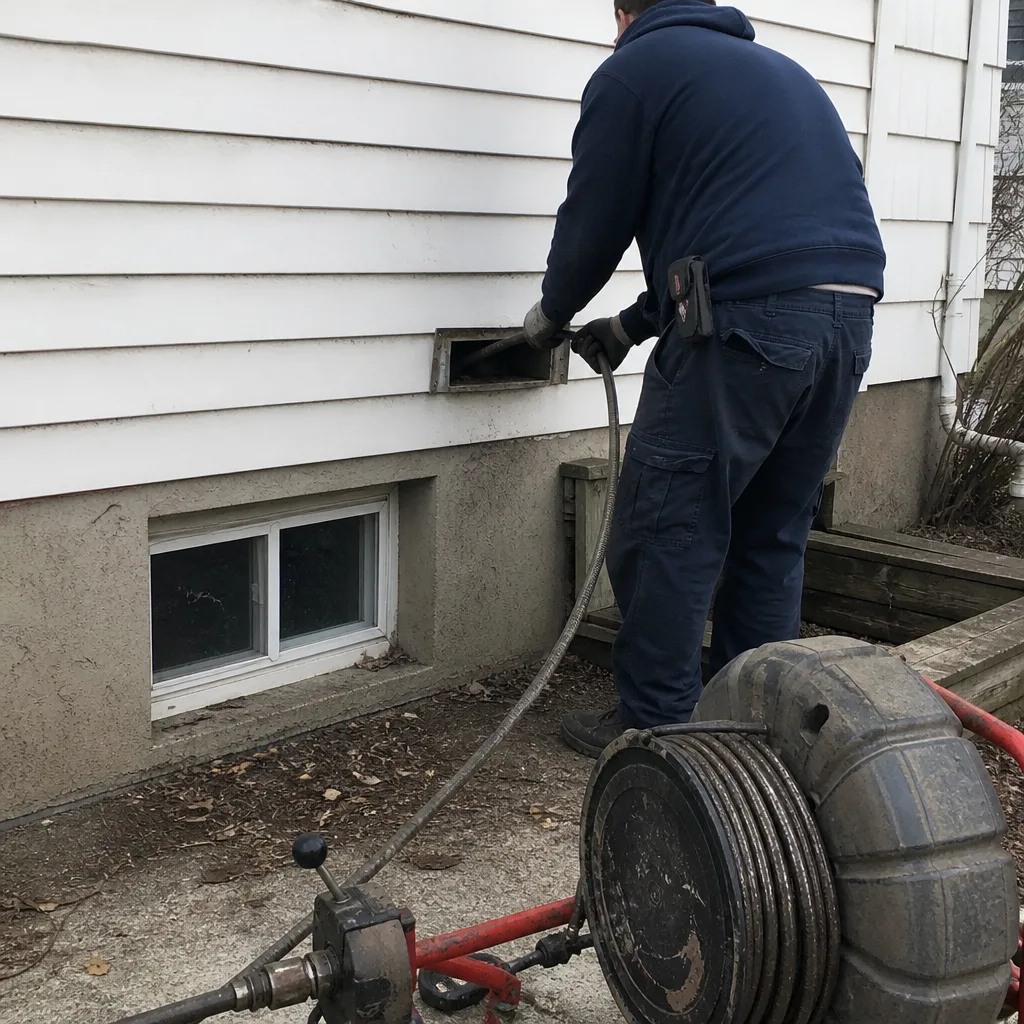 Before
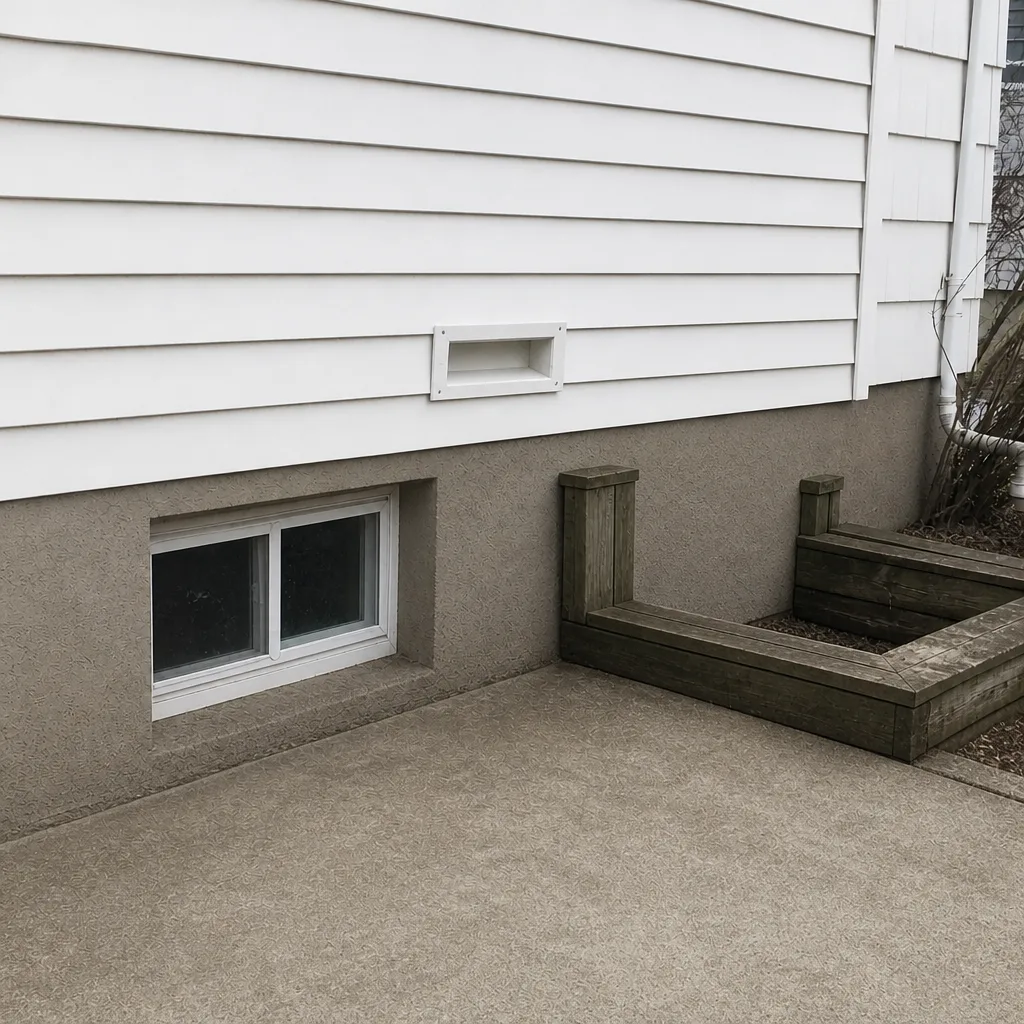 After
When to Call a Professional
Call a professional when the monthly checks turn up something you can’t resolve with a filter change: visible debris that isn’t a light film, a musty odor that returns after you clean the grilles, airflow that stays weak, or moisture around the air handler. Call when your four-factor estimate has come due, and call sooner if you’ve just bought a Gravesend home and don’t know the last cleaning date. Call if anyone in the household has been dealing with allergies or respiratory irritation that seems to track with time spent indoors. And call if a dryer vent hasn’t been touched in over a year.
Air Duct Cleaning Gravesend offers free estimates in Gravesend. Call (844) 917-3975. We answer 24/7. Fast dispatch from 7am to 7pm, Sunday through Friday, and the written estimate sets a flat price per system before work starts, with before-and-after photos and a satisfaction guarantee.
Frequently Asked Questions
Most Gravesend homes should have a professional whole-system cleaning every three to five years, shortened to every two years for all-flex duct systems, larger households, homes with shedding pets, or anyone with allergies. The four-factor estimate above gets you close, and the monthly checks tell you whether to tighten it. Call (844) 917-3975 for an exact quote, and estimates are free.
You can check registers for visible dust buildup, hold a tissue over a register to check airflow, smell the air from the registers for musty or burnt odors, and look at the return grille and the area around the air handler for moisture. Those checks catch most developing problems before they need a bigger fix.
A much lower quote usually skips the work the equipment makes possible: full trunk-line cleaning, containment, repair and sealing, and sanitizing. A blow-and-go job leaves more behind than it removes, and a per-vent price tends to grow once the crew is on site. Ask for a flat price per system in writing, and ask what equipment the crew uses. Call (844) 917-3975 for a free estimate from us.
Ask for before-and-after photos of your own ducts, not stock images. That’s the one record that shows the same runs before and after the work, and it belongs in your maintenance folder. Call (844) 917-3975 for a free estimate.
Yes. Dryer vent cleaning should be scheduled alongside duct and HVAC cleaning so it never drops off its own forgotten calendar. Lint in a hot exhaust line is a fire risk, and syncing the two items means both get done. Call (844) 917-3975 for a free estimate.
Keep one folder with service dates, the scope of work, the equipment and products used, findings from each inspection, before-and-after photos, and the written estimate alongside the final invoice. That record helps at resale, and it gives a buyer’s inspector something to compare against. Call (844) 917-3975 to set the first entry.
The Bottom Line
A Gravesend duct maintenance schedule is your own, built from duct material, home age, occupant count, and pet or allergy status. Check registers, airflow, odor, and the return grille once a month with nothing but your eyes and nose. Track filters, register cleaning, and dryer vent checks yourself, and leave full-system cleaning, repair and sealing, and sanitizing to professionals with Rotobrush and Nikro equipment and proper containment. Sync dryer vent cleaning to the duct cycle so it never gets skipped. Document every service, including before-and-after photos, for your own records and resale. Then keep the whole thing on one calendar, and the system stays clean.
Written by the team at Air Duct Cleaning Gravesend.