
Last updated November 22, 2026
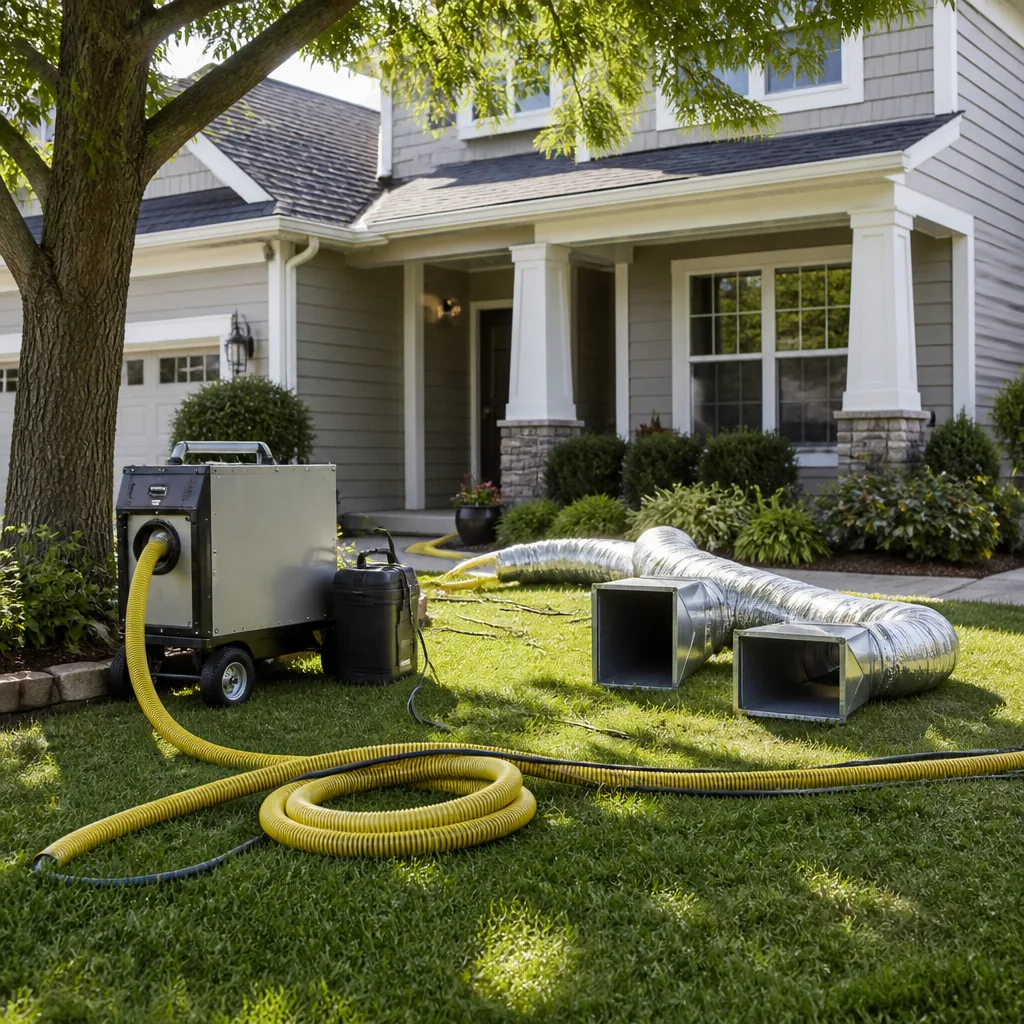 Whole-home duct cleaning
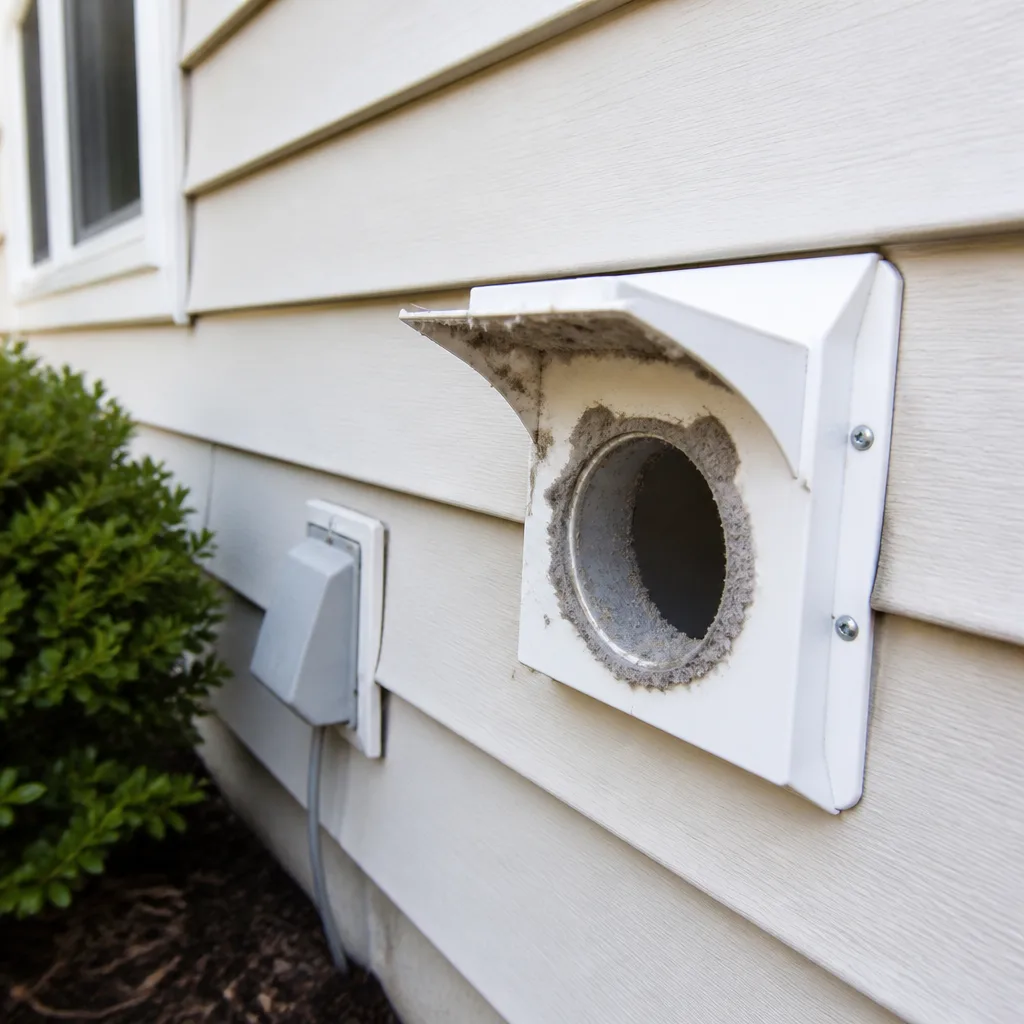 Dryer vent cleaning
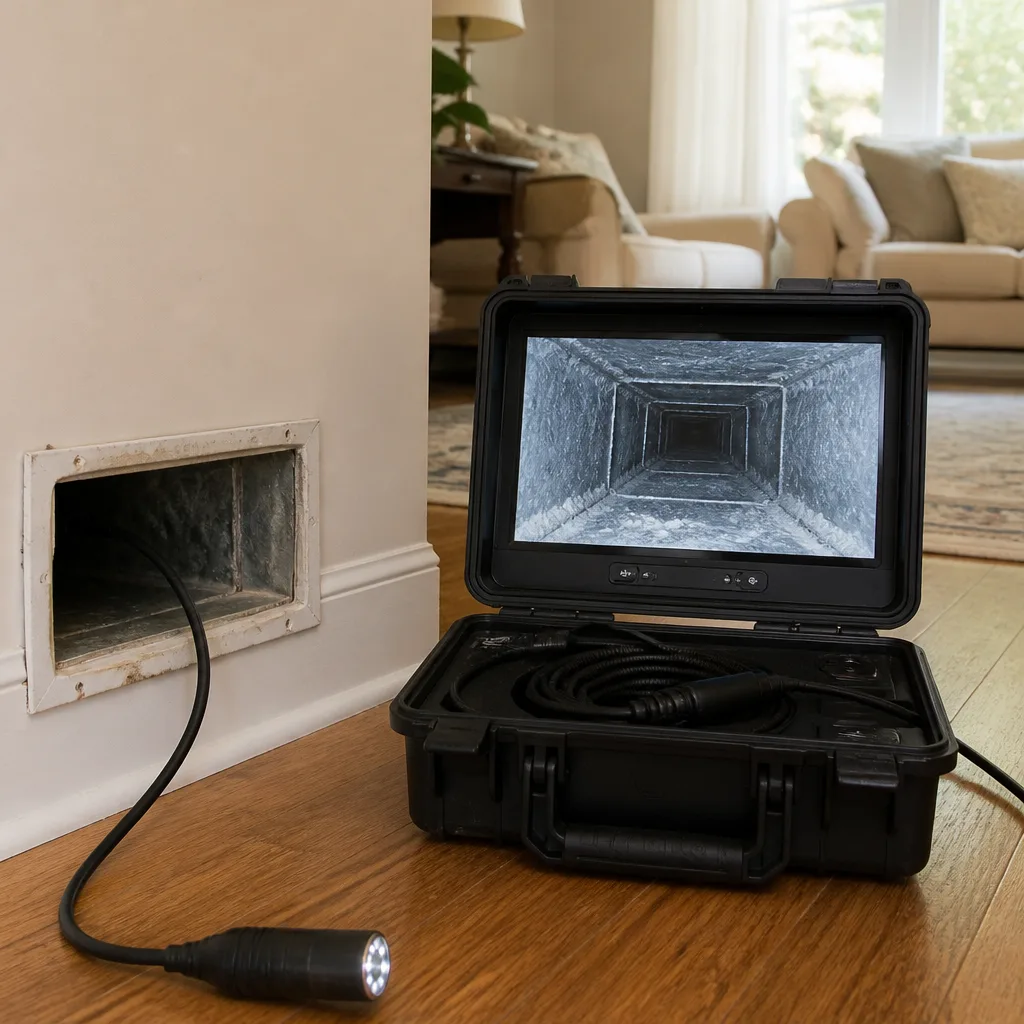 Camera inspection
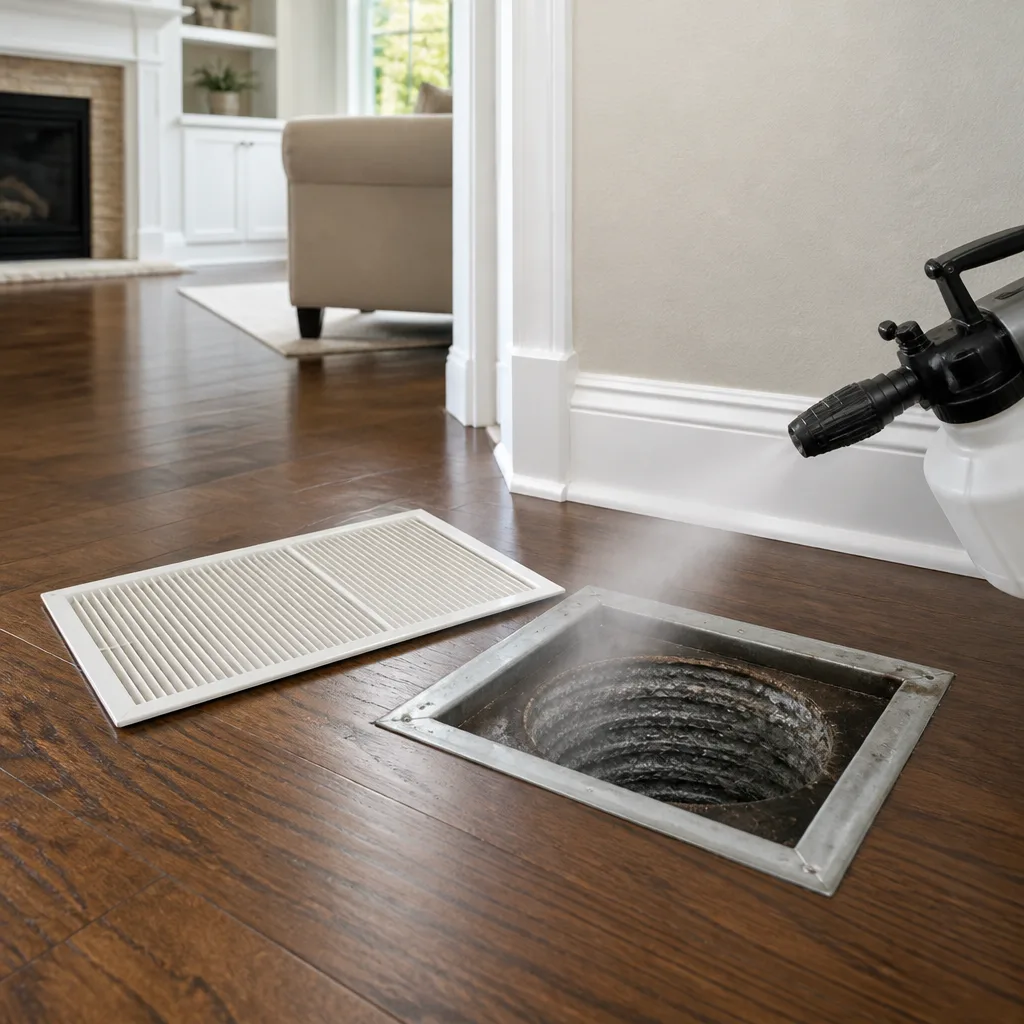 Sanitizing & deodorizing
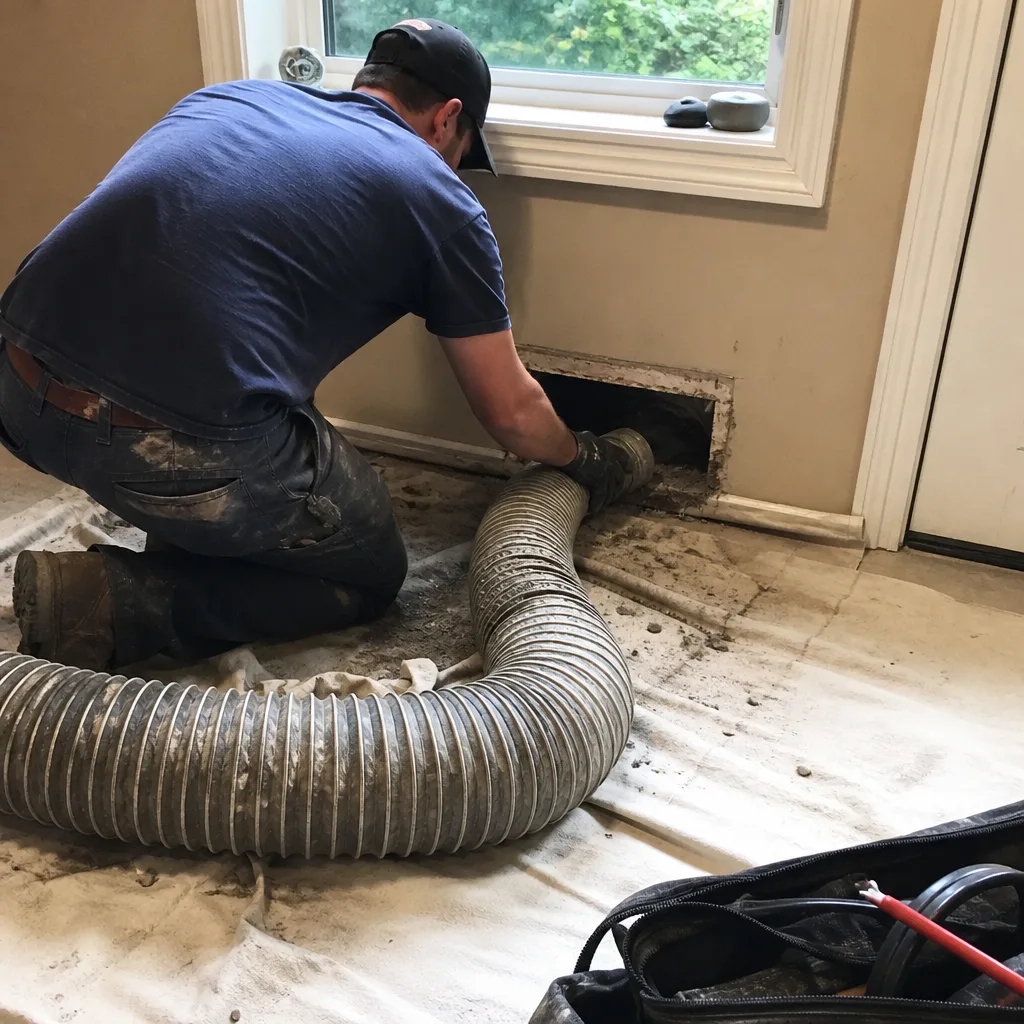
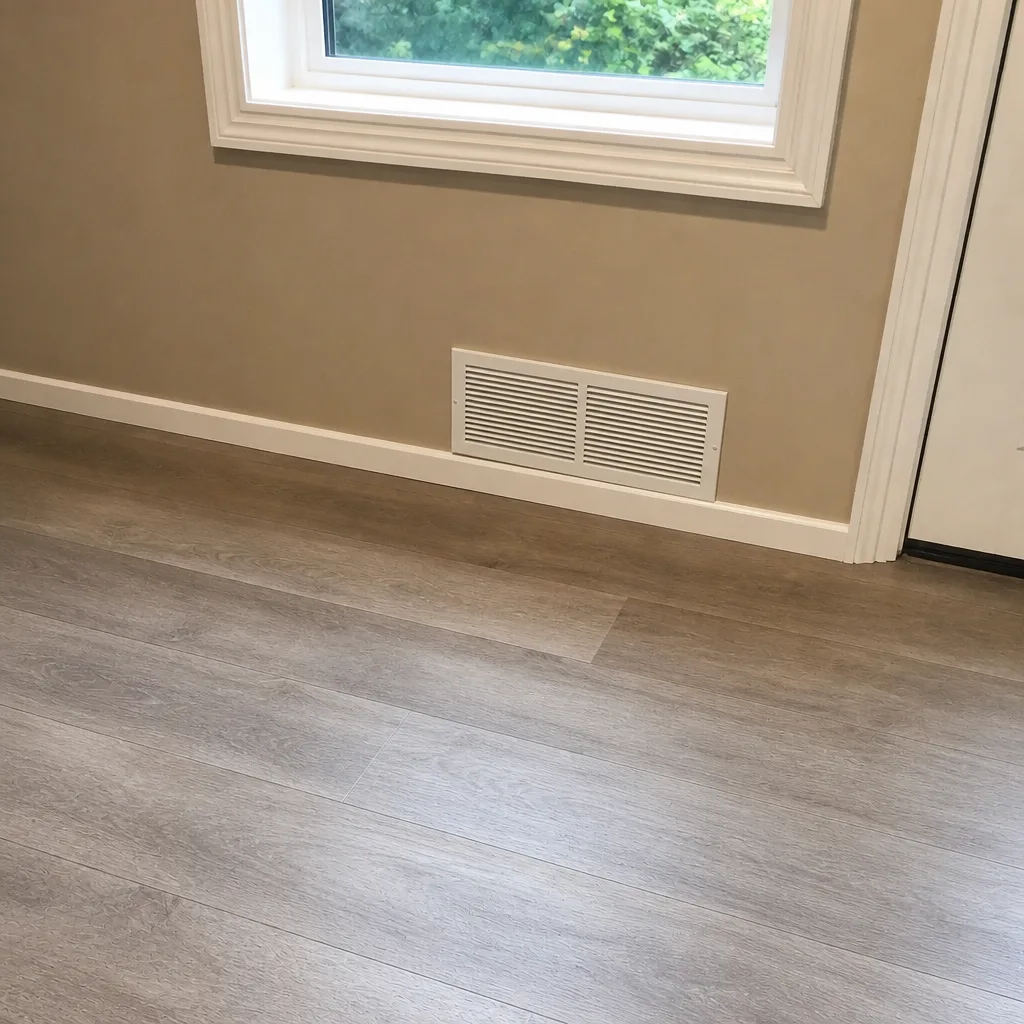
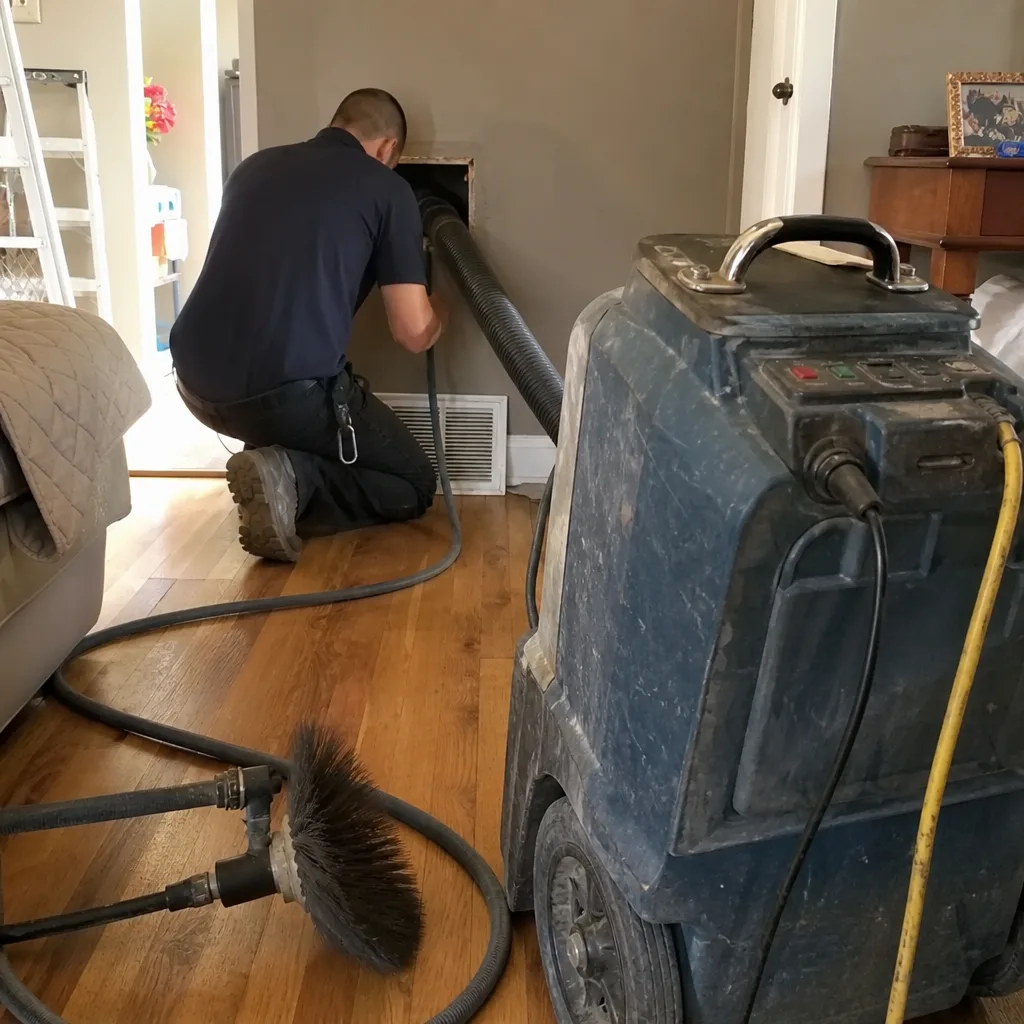
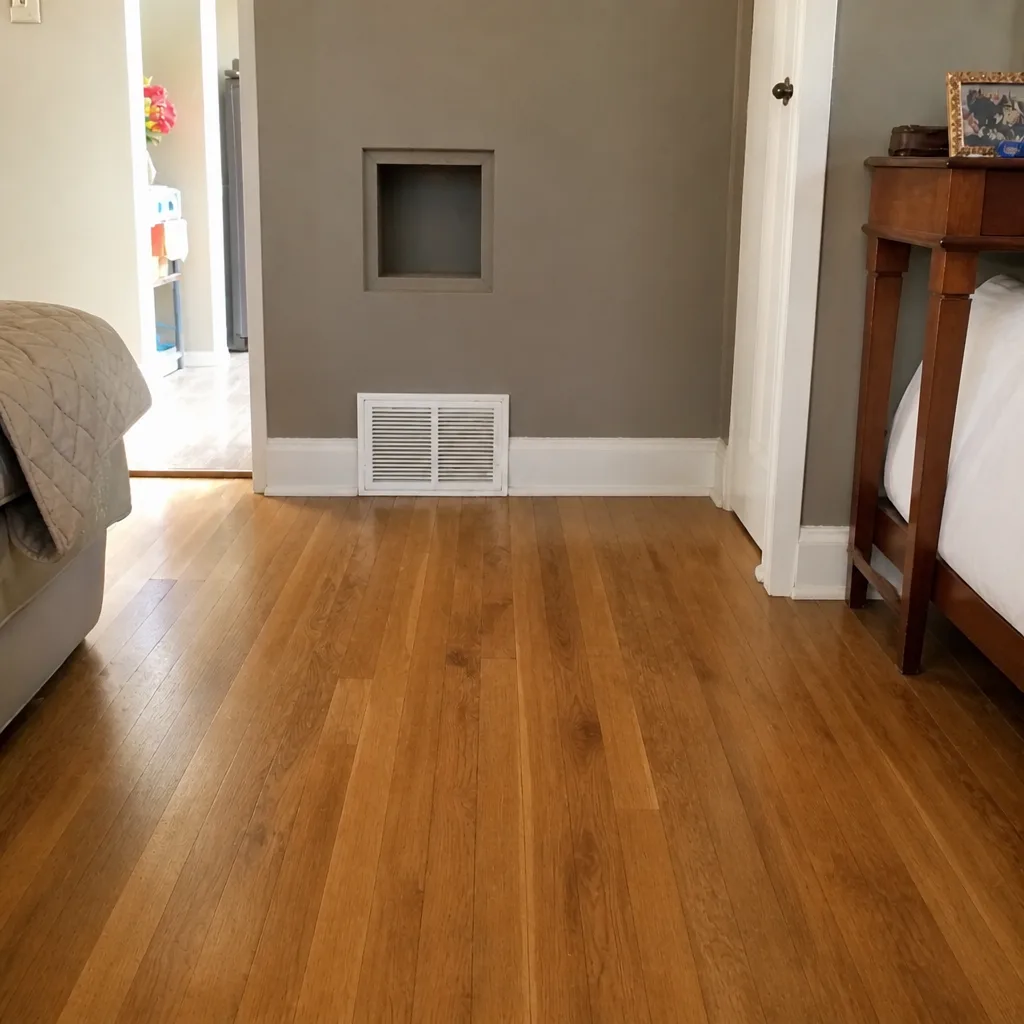
Whole-system duct and dryer vent check with before-and-after photos - you see exactly what came out of your vents
That "$99 whole-house special" is a bait ad - the real number appears once they are in your hallway, or the "clean" is a shop-vac at the register. We photograph the inside of your ducts before and after instead.
Air Duct Cleaning Warning Signs: A Gravesend Homeowner’s Reference Guide
If a room in your Gravesend home is consistently 4-6°F cooler than the rest of the house, there’s a 60% chance the problem is in the duct run serving that room, not the thermostat, not the furnace, and not the insulation. That’s the thing about duct problems: they almost never announce themselves as duct problems. A musty smell gets blamed on the basement. Weak airflow upstairs gets blamed on an aging furnace. Constant sneezing gets blamed on whatever’s blooming outside. Each of those wrong guesses costs months and real money chasing the wrong fix. This guide teaches you to read the signs correctly, log them in a way a technician can actually use, and know when a duct specialist is the right call versus when the furnace itself needs attention.
Quick Answer
The main air duct cleaning warning signs are a persistent musty or burning-dust smell that returns after cleaning, visible dark streaking or white powder around supply registers, a room that’s consistently 4-6°F off from the rest of the house, and increased dust settling on surfaces within days of wiping them down. One or two mild signs on their own may mean nothing, but three or more together usually point to contamination or leakage somewhere in the duct system itself. In Gravesend, where most homes run forced-air heat through older duct layouts, a documented pattern of signs is what turns a vague complaint into a service you can actually schedule with confidence.
Styles & brands we work with
- Whole-home duct cleaning
- Dryer vent cleaning
- Camera inspection
- Sanitizing & deodorizing
Table of Contents
- The Odor Profiles: What Each Smell Actually Points To
- The Tissue Test: Detecting Pressure Imbalance at Your Registers
- Reading Your Supply Registers: Streaking, Powder, and Rust
- The Cold-Room Signal: When It’s the Duct Run, Not the Furnace
- Dust That Returns Too Fast
- Duct Specialist vs. HVAC Mechanical Issue
- How to Log and Photograph Warning Signs in Sequence
- How Often Duct Cleaning Really Needs Doing
The Odor Profiles: What Each Smell Actually Points To
Smell is the most misattributed signal in the whole house. Different odor profiles point to completely different problems, and treating them as one thing (“the house smells musty”) sends people toward the wrong fix. Here’s how to separate them.
- Musty, damp, basement-like. This is the mold-and-moisture signature. It means biological growth is somewhere in the system, typically where condensation collects on interior duct surfaces or where cooler runs pass through unconditioned space. A basement dehumidifier won’t fix it if the growth is inside the ducts.
- Burning dust, strong on the first heat of the season. A single week of this when the furnace first fires up is normal; settled dust on the heat exchanger is burning off. If the smell never fades, or comes back every time the system cycles, that’s accumulated debris on or near the heat exchanger rather than a one-time burn-off.
- Burning dust that persists into spring. Persistent burning-dust odor with the system running regularly is a signal to have the equipment inspected, not just the ducts cleaned. It can indicate a mechanical issue that cleaning alone won’t solve.
- Oily, acrid, or exhaust-like. This one matters most. An oily or acrid smell can point to combustion blowback, where exhaust gases aren’t venting properly. That’s a safety concern, not an air-quality nuisance, and it warrants a mechanical inspection promptly.
In our experience across Gravesend, the musty profile is by far the most common and the most frequently misdiagnosed. Homeowners air out the basement, run a dehumidifier, replace a filter, and the smell returns within a week because the source was never in the room at all. Once you’ve identified the profile correctly, the fix becomes a lot more obvious.
The Tissue Test: Detecting Pressure Imbalance at Your Registers
A tissue held against a supply register tells you more about your duct system than most people realize. The test is simple, requires no tools, and distinguishes between “the ducts are dirty” and “the ducts are leaking.” Those are two different problems and they need two different solutions.
- Hold a single-ply tissue flat against a supply register while the system is running. It should bow outward with steady, even pressure.
- Move to the next register in the same room. If one blows hard and another barely moves the tissue, you have an imbalance: a run that’s restricted, disconnected, or leaking somewhere upstream.
- Hold the tissue near the register’s edge and seams, not just the center. If the tissue flutters or gets pulled toward a gap, air is leaking past the boot rather than coming through the grille.
- Repeat at a return grille. A return should pull the tissue inward firmly. Weak pull at a return can mean a blocked or undersized return path, which starves the whole system.
What this test reveals is negative pressure imbalance, and it’s the single most common reason a home feels under-served by its HVAC system even when the equipment is perfectly healthy. Leaky ducts lose conditioned air into walls and attics, and the system compensates by pulling unfiltered air in through gaps. That unfiltered air is often where the dust and allergens are coming from. Cleaning alone won’t close a leak. This is exactly why we pair air duct cleaning with duct repair and sealing: mechanical removal gets the debris out, and sealing keeps it from coming right back in. If your tissue test shows uneven pressure, ask specifically about sealing, not just cleaning.
Reading Your Supply Registers: Streaking, Powder, and Rust
Your supply registers work like a diagnostic dashboard if you know what each mark means. Every visual cue points to something specific upstream, and each has a different fix.
- Black streaking around the grille and on nearby walls. Two causes dominate: combustion byproducts (a mechanical concern worth inspecting) or dark mold growth near the register. Streaking is one of the clearest visual signals that the problem is not just dust.
- White powder or chalky residue on the grille or diffuser. This typically means fiberglass duct liner is degrading and shedding particles. The liner itself is breaking down, and no amount of surface dusting fixes it; the damaged section needs assessment.
- Rust staining or water marks around a register. Moisture is present somewhere it shouldn’t be. Rust at a register often points to condensation issues or a leak in the run upstream, and moisture is what feeds the musty smell from the previous section.
- Heavy, uniform dust caking across the fins. That’s normal accumulated dust and the most direct sign that cleaning is due.
Gravesend homes are frequently older builds with duct layouts that have been modified more than once over the years: a run added, a register relocated, a boot patched. Those modifications leave seams and gaps that aren’t always obvious from the room, but they show up at the register. When we run a camera through the system with Rotobrush and Nikro equipment, we can confirm exactly which of these visual cues is present and where it originates. That confirmation matters because the fix for degrading liner is not the same as the fix for a leaky boot, and neither is the fix for dust.
The Cold-Room Signal: When It’s the Duct Run, Not the Furnace
The room that never gets warm is the most misread signal in the house. Before you call anyone about the furnace, run this check. A room that’s consistently 4-6°F cooler than the rest of the home, especially one at the end of a long duct run or on an upper floor, is far more likely to have a duct-run problem than a furnace problem.
Here’s how a technician thinks through it:
- Is the room served by a long or branching run? Long runs and branches lose the most conditioned air before it arrives, especially if they pass through an unconditioned space.
- Is the register in the room getting strong, even airflow? If the tissue test (above) shows weak output at that register while others are strong, the run itself is the suspect, not the equipment.
- Is the room’s door closed most of the day? A closed door in a room with a supply but no adequate return creates its own pressure imbalance and makes the room feel colder regardless of duct health.
- Is the thermostat reading accurate everywhere else? If the rest of the house is consistent and one room is the outlier, you’ve localized the problem.
Once you’ve eliminated the duct run, then you look at the furnace. The mistake is to skip straight to the equipment, pay for a mechanical diagnosis, and learn nothing was wrong with the furnace at all. In Gravesend, this shows up most often in homes with room additions or finished basements where the duct layout was extended rather than redesigned. A proper HVAC cleaning assessment can confirm whether the run is restricted or leaking and whether the equipment itself is performing correctly, so you don’t spend on the wrong fix.
Dust That Returns Too Fast
Every home gets dusty. What matters is the speed of return. If you wipe down a shelf on Sunday and see a visible film by Wednesday, that’s not normal household dust settling; something is actively delivering it through the system.
Three things cause rapid dust return:
- Duct contamination. The system is sending its own accumulated debris back out into the living space. This is the simplest to fix.
- Unsealed leak points. Gaps in the duct system pull unfiltered attic, wall cavity, or crawl space air in and distribute it. This is where air duct cleaning alone won’t hold; the leak needs sealing or the dust comes back.
- A compromised filter setup. A clogged filter, a filter with the wrong MERV rating for the system, or a filter that’s been “tightened up” until airflow is restricted all make dust worse, not better.
The residents in Gravesend we talk through this diagnostic frequently find all three working at once. A house with dusty vents, a visible gap at a boot, and a filter that hasn’t been changed in too long will coat every surface within days. Cleaning removes the reservoir, sealing closes the entry points, and the filter change keeps the improvement from reversing. Get all three done in sequence and the return-to-dust speed drops noticeably. Skip any one and it comes back.
Duct Specialist vs. HVAC Mechanical Issue
Not every warning sign is a duct problem, and knowing the difference saves you from a service you don’t need. The split usually comes down to whether the sign is about air movement and air quality or about equipment operation.
Signs that point to a duct specialist:
- Uneven airflow between registers, confirmed by the tissue test.
- Persistent musty odor, especially after the space has been dried out.
- Visible streaks, powder, or rust at registers.
- Dust returning within days of wiping.
- A cold room that the tissue test shows is weakly supplied.
Signs that point to a mechanical HVAC issue:
- Oily, acrid, or exhaust-like odor indicating possible combustion problems.
- A furnace or AC unit that cycles oddly, short-cycles, or fails to heat or cool at all.
- Persistent burning-dust smell well past the first heat of the season.
- Loud mechanical noises from the equipment itself.
The two categories can overlap. A leaky duct can stress the equipment and cause it to work harder; a mechanical problem can produce contaminants that end up distributed through otherwise clean ducts. That’s the reason we take a whole-system view. Using professional-grade equipment from Rotobrush and Nikro, we can thoroughly clean and inspect the duct side, then flag anything mechanical we find so you can get the right specialist involved. Carrying air-quality brands like Honeywell and Aprilaire lets us also address filtration and humidity control, which are often the missing piece when a system tests mechanically fine but still doesn’t breathe well.
How to Log and Photograph Warning Signs in Sequence
A technician arriving on a vague complaint (“the house feels dusty”) has to redo a lot of diagnostic work to find the problem. A technician arriving with a documented pattern of signs, in order, with photographs, can skip straight to the right solution. Documenting takes about ten minutes and turns a guess into a diagnosis.
- Start a dated log. Note the day, the room, and the sign. “Tuesday, upstairs bedroom, register feels weak” is enough.
- Photograph each sign in context. Capture a wide shot of the register and walls, then a close shot of the specific mark (streak, powder, rust). Include a coin or a ruler in the close shot for scale.
- Run the tissue test on every register. Note which ones bow the tissue firmly, which barely move it, and which pull it toward a gap. A quick handwritten sketch of the layout with “strong/weak/gap” labels is genuinely useful.
- Note the odor profile and when it appears. Is the musty smell stronger when the heat turns on, when it’s humid outside, or constantly? Note the timing.
- Log the dust-return speed. Wipe one surface clean, note the date, and check daily until a visible film returns. Record the day count.
- Photograph the register fins up close and the return grille. Layer of dust and any damage to the liner are worth a photo.
- Bring the log and photos to the estimate appointment. Show them. The pattern is the diagnostic data.
Then, when the work is done, photograph the same registers again. Cleaning, repair, and sealing should visibly reduce the streaks and powder and should visibly even out the airflow. Before-and-after photos of your own ducts, at the same angles and registers, are the most direct way to confirm the work actually happened. Ask for them. A crew that can’t produce them isn’t giving you a verifiable result.
How Often Duct Cleaning Really Needs Doing
There’s no single right interval. Duct cleaning is driven by what the system is subject to, not a calendar. That said, here’s a practical way to think about frequency:
- Every few years for a typical home with normal occupancy, proper filtration, and no unusual signs.
- More often after renovations or a major dust-generating project. Drywall dust and demolition debris make their way into the system; it’s not a matter of if but how much.
- More often in homes with pets, high occupancy, or someone with significant respiratory or allergy sensitivity. More particulate in means more accumulation inside.
- Sooner if the warning signs are present regardless of when the last cleaning was. Signs trump schedule.
The honest answer is that if the signs in this guide are pointing clearly to system contamination, the “how often” question is already answered for your home: it’s due. If the signs are mild and infrequent, there’s no need to over-schedule it. In our experience, homeowners who pay attention to the signs and document them tend to land on a frequency that’s right for their specific house rather than a number someone on the internet told them. That’s the better approach.
Common Mistakes to Avoid
- Blaming the basement for a duct musty smell. Running a dehumidifier and emptying the basement is worth doing, but it won’t fix a musty smell that returns within a week because the source was never in the room. The ducts have to be addressed.
- Assuming weak airflow means a failing furnace. The tissue test is free and takes minutes, and it will tell you whether the issue is at the register before you pay for a mechanical diagnosis. Check the airflow first; replace the furnace only if the equipment is actually the problem.
- Acid-washing away the register marks and calling it fixed. Cleaning the grille cosmetics doesn’t touch the upstream cause. The streaks and powder will be back, and the underlying problem has only had more time to develop.
- Choosing a quote on price alone. A low headline price that becomes a much larger invoice once the technician is on site is the oldest trap in this trade. Ask for a flat price per system, agreed before work starts, and ask what that price includes. If the answer is vague, that’s your answer.
- Skipping the dryer vent. It’s a separate run, a separate risk, and a fire-safety concern that most duct-only providers don’t address. If you’re having the system looked at, check the dryer vent at the same time.
- Cleaning without sealing. Cleaning debris out of a leaky system and leaving the leaks in place guarantees the dust returns through the same gaps. Cleaning and sealing need to happen together.
- Never photographing the work. The single best protection against bait-and-switch is before-and-after photos of your own ducts. If it isn’t offered, ask for it, and don’t accept a verbal assurance in its place.
See the difference
 Before
 After
 Before
 After
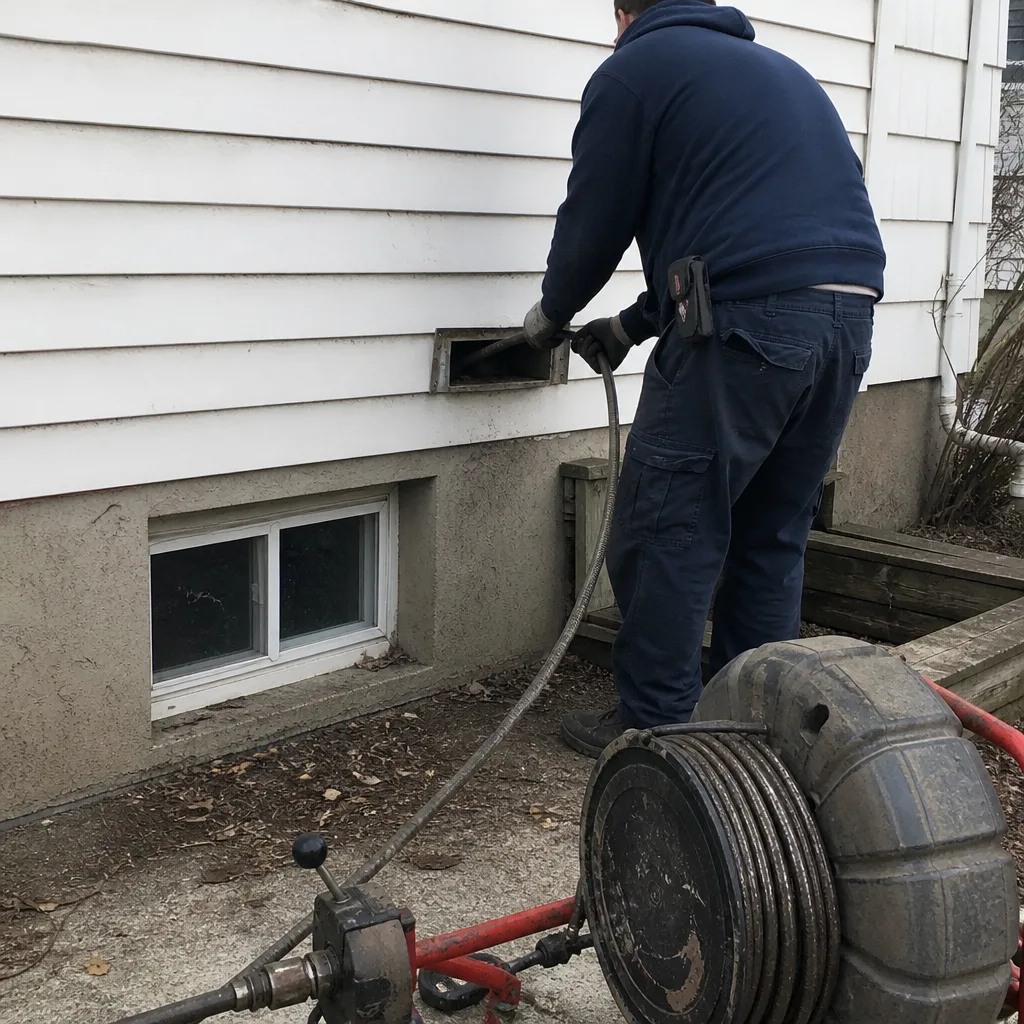 Before
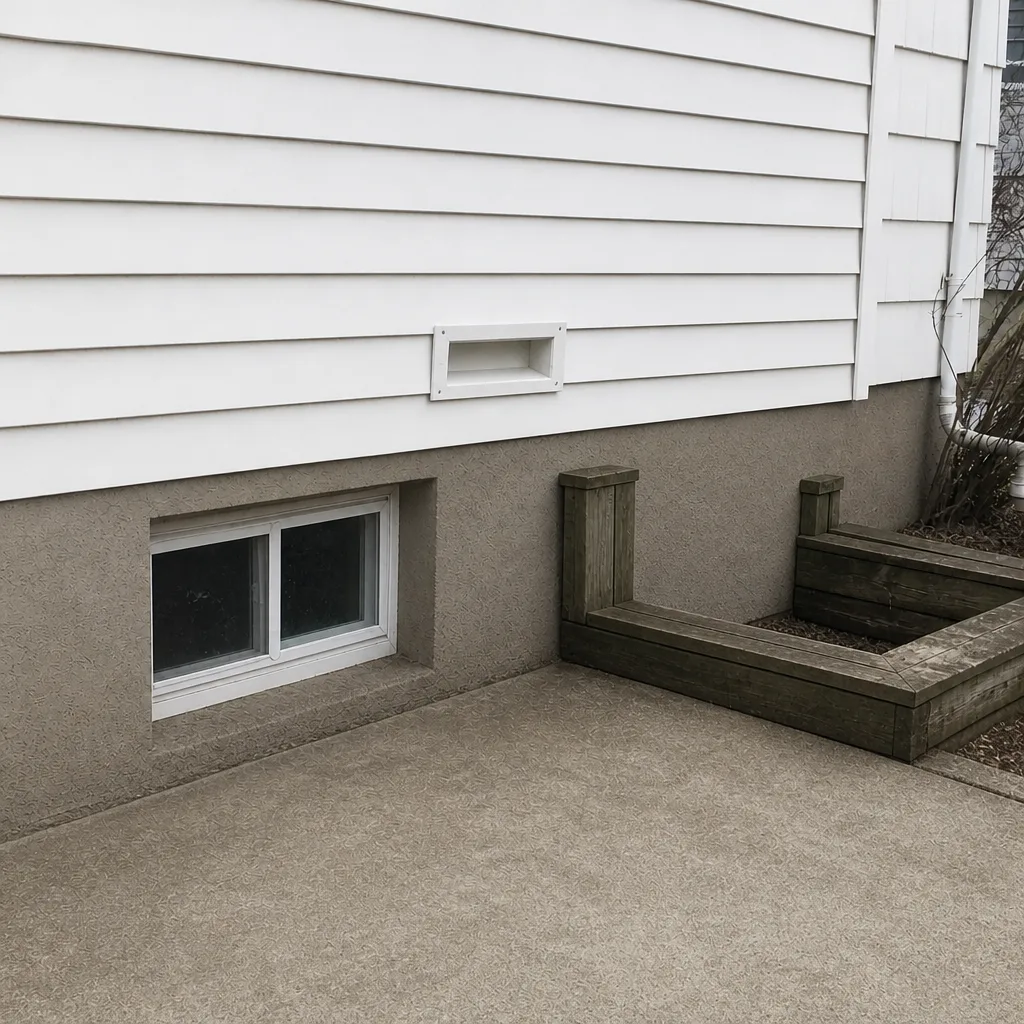 After
When to Call a Professional
You’ll want a specialist when any of these are true: the musty or burning-dust smell returns within a week; the tissue test shows uneven pressure across registers; there’s visible streaking, powder, or rust at any register; a room is consistently 4-6°F off and the duct run is the suspect; or dust is returning within days of wiping. If the smell is oily or acrid, treat it as a safety matter and get a mechanical inspection promptly, not just a cleaning. When the dryer vent hasn’t been looked at in years, add that to the visit. Air Duct Cleaning Gravesend offers free estimates in Gravesend, and a written estimate lays out the flat price per system before any work starts. Call (844) 917-3975. We answer 24/7. Fast dispatch from 7am to 7pm, Sunday through Friday.
Frequently Asked Questions
The most common early signs are a musty smell that returns after cleaning, uneven airflow between registers, and dust settling back onto surfaces within days of wiping. A single sign can be innocuous, but three or more pointing the same direction usually means the system, not the room, is the source. Call (844) 917-3975 for an exact quote; estimates are free.
Run the tissue test at that room’s register while the system is running. If the register barely moves the tissue while others bow it firmly, the problem is in the duct run, not the furnace. If the register blows strongly but the room stays cold, the run is likely leaking or uninsulated. Call (844) 917-3975 for an exact quote; estimates are free.
Cost is set per system, not per vent, and depends on the size and configuration of the duct system and whether repair or sealing is needed alongside cleaning. We give one flat price per system in a written estimate before work starts, so you know the full number up front. Call (844) 917-3975 for an exact quote; estimates are free.
The lowest headline price is usually a teaser that grows once the technician is on site, sometimes substantially. A trustworthy quote is a flat price per system agreed in advance, with the scope spelled out and before-and-after photos of your own ducts included. If a quote seems too good to be true, ask what it actually covers. Call (844) 917-3975 for an exact quote; estimates are free.
Ask for before-and-after photos of your own ducts, at the same registers and angles, taken during the visit. Use professional-grade equipment from Rotobrush and Nikro if the job is done right, and a real cleaning visibly reduces the streaks and powder at the registers. If a crew can’t produce photos, that’s a red flag. Call (844) 917-3975 for an exact quote; estimates are free.
Every few years for a typical home, sooner after major renovations or in homes with pets, high occupancy, or significant allergy concerns. The warning signs matter more than any fixed schedule. If the signs in this guide are pointing to contamination, it’s due now. Call (844) 917-3975 for an exact quote; estimates are free.
The Bottom Line
Most duct system warning signs get blamed on something else: a musty smell on the basement, a cold room on the furnace, dust on the filter, and allergy symptoms on outdoor pollen. Reading them correctly means checking the right cause first. Odor profiles separate mold from combustion from normal burn-off. The tissue test tells leakage from cleaning need. Register marks point to specific upstream problems. Temperature gaps are usually the duct run, not the equipment. And documented, photographed signs turn a vague complaint into a diagnosis a technician can act on. When you’re ready to have the system looked at, call (844) 917-3975 for a free estimate and a flat price per system in writing before any work starts.
Written by the team at Air Duct Cleaning Gravesend.