
Last updated November 22, 2026
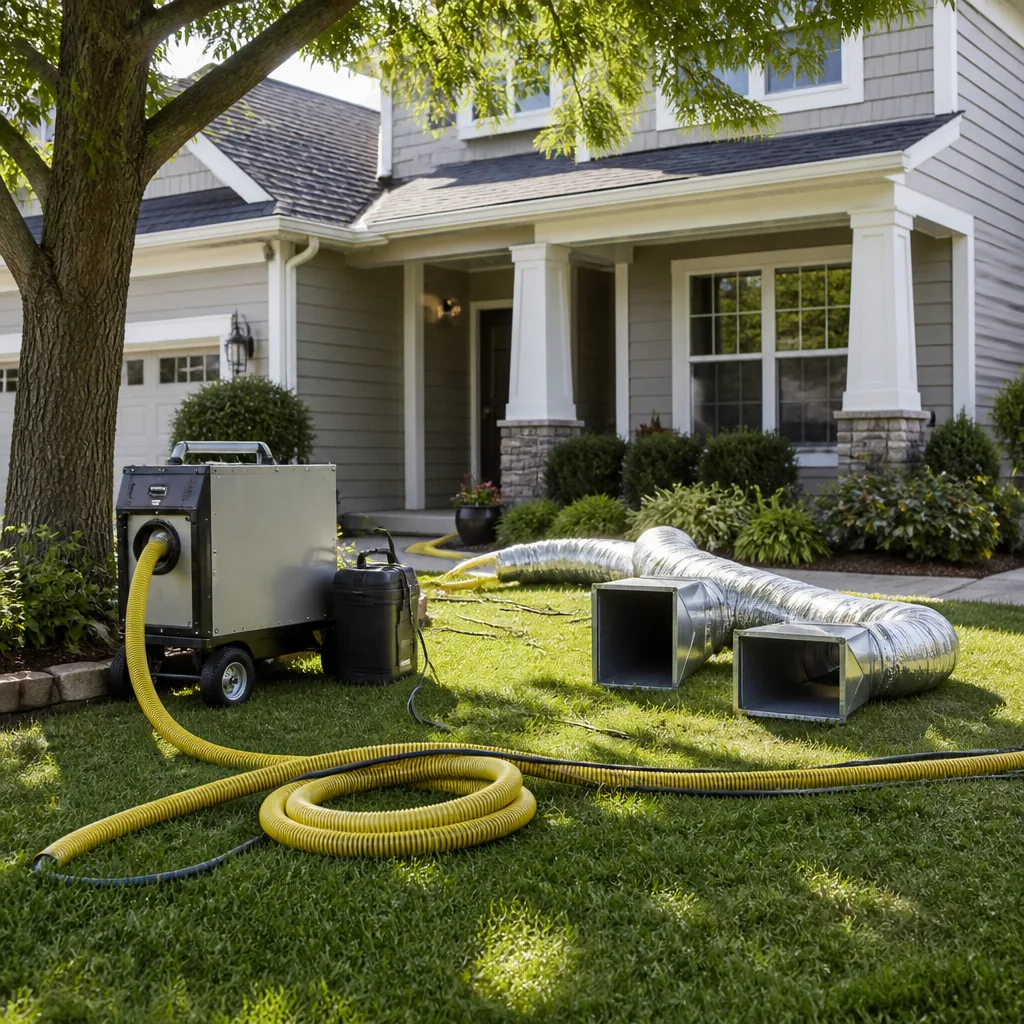 Whole-home duct cleaning
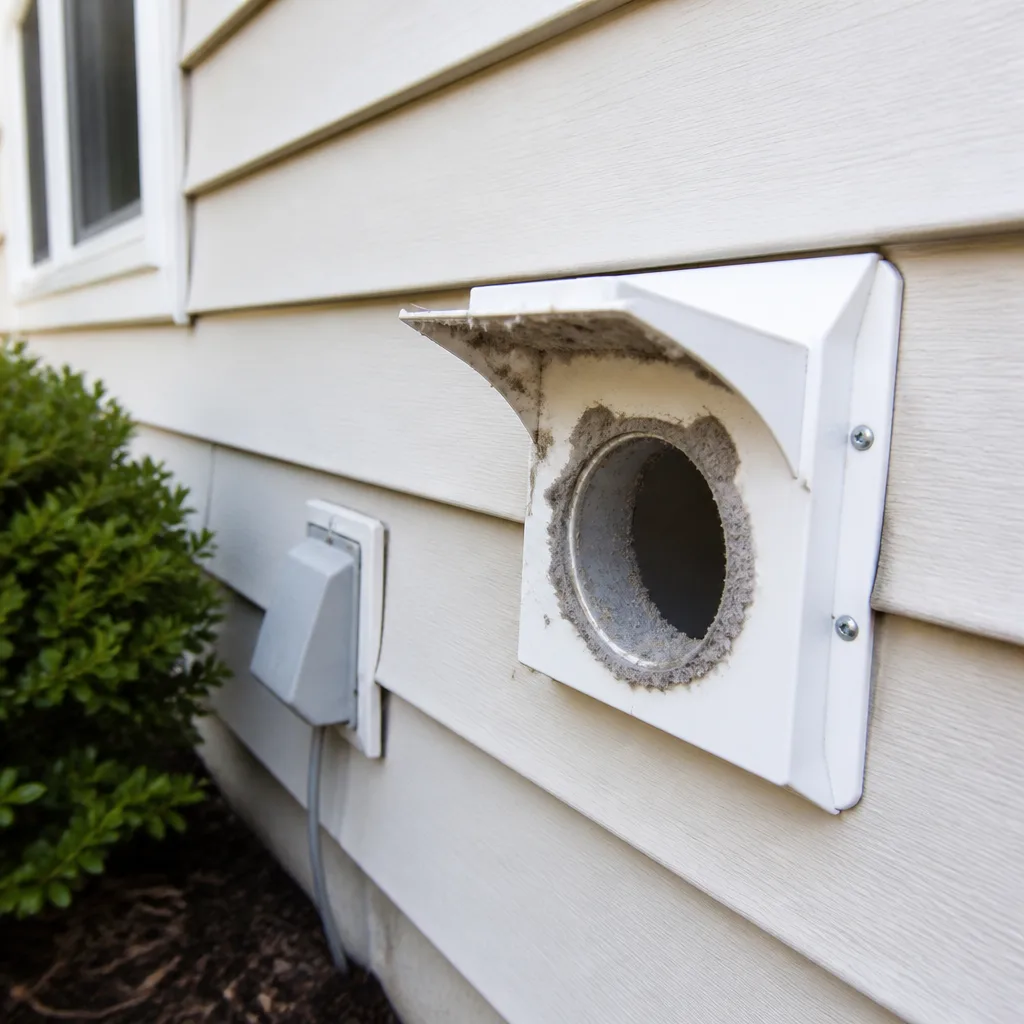 Dryer vent cleaning
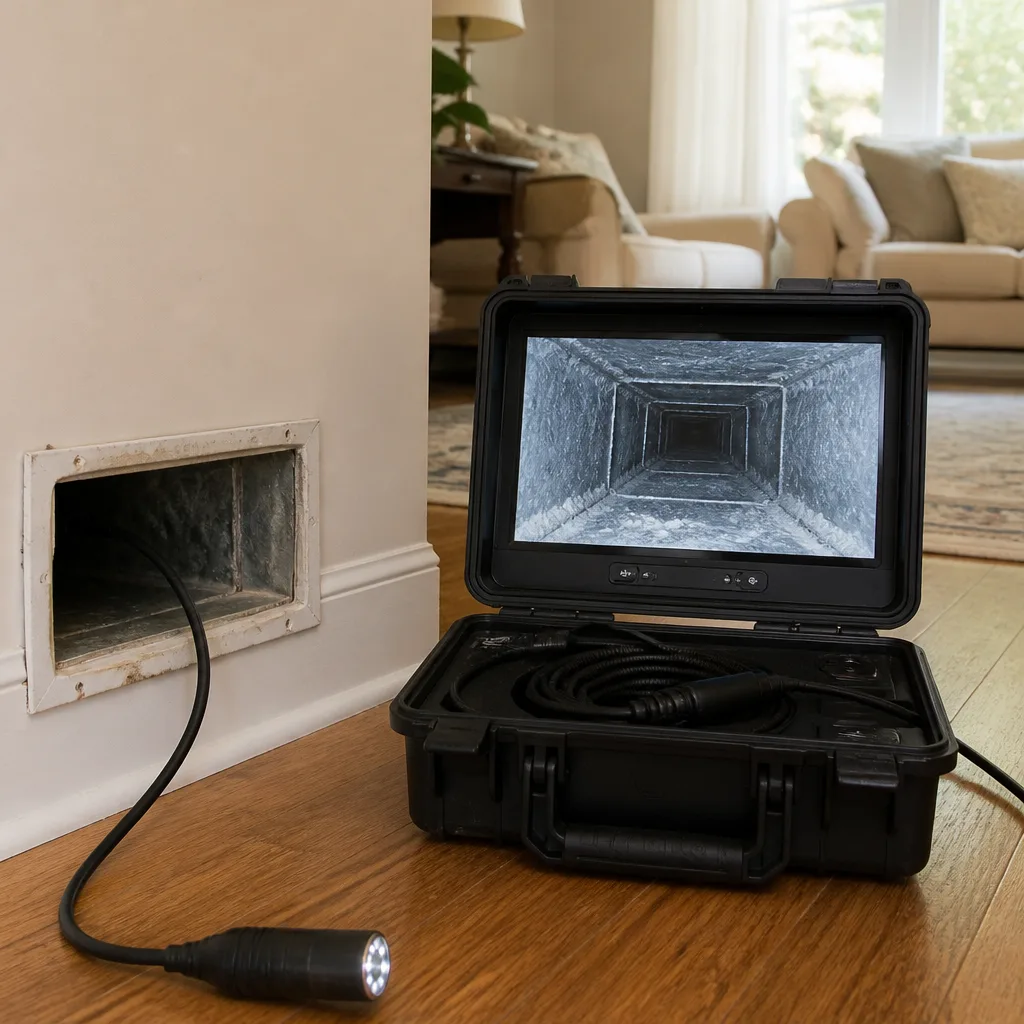 Camera inspection
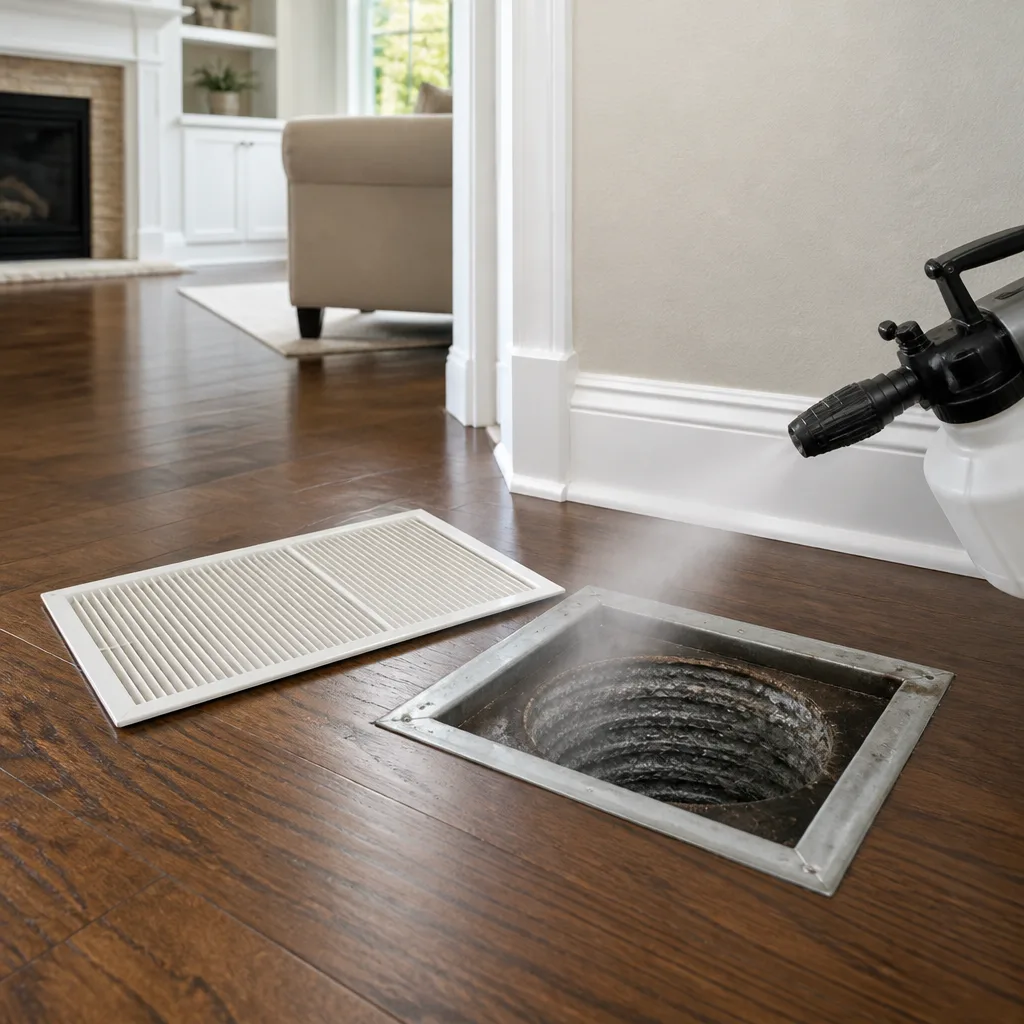 Sanitizing & deodorizing
Whole-system duct and dryer vent check with before-and-after photos - you see exactly what came out of your vents
That "$99 whole-house special" is a bait ad - the real number appears once they are in your hallway, or the "clean" is a shop-vac at the register. We photograph the inside of your ducts before and after instead.
The Complete Guide to Air Duct Cleaning in Gravesend
Most Gravesend homeowners who paid for “duct cleaning” last year got their supply registers brushed and nothing else. The return plenums, main trunk lines, and air handler cabinet were never opened, so the debris that had collected in the parts they can’t see never moved. That’s not a scam in every case, but it is an incomplete job, and it’s the single most common gap we hear about from people calling us for the second time. In this guide we map what a genuinely complete duct cleaning in Gravesend involves: the inspection, the mechanical cleaning, the sealing, the sanitizing, and the verification step that most vendors quietly skip. You’ll know what to ask for before anyone shows up with equipment.
Quick Answer
A complete air duct cleaning in Gravesend covers supply lines, return lines, plenum boxes, the air handler cabinet, and the coil, cleaned with truck-mounted or professional-grade negative-air equipment rather than a shop vacuum. It should end with a documented verification report and, where warranted, duct sealing and sanitizing as follow-on steps. If a quote only mentions cleaning your visible vents, it isn’t full-system service.
Styles & brands we work with
- Whole-home duct cleaning
- Dryer vent cleaning
- Camera inspection
- Sanitizing & deodorizing
Table of Contents
- What a Full-System Duct Cleaning Actually Includes
- The Equipment Difference That Matters in Gravesend
- The Seven Phases of a Complete Duct Cleaning
- How to Read a Post-Cleaning Verification Report
- Duct Sealing: Closing Off the Source of Recontamination
- Sanitizing: When It’s Warranted and When It Isn’t
- Brooklyn-Specific Factors: Housing Stock, Oil Conversions, Humidity
- The Dryer Vent: The System Most Cleaners Ignore
What a Full-System Duct Cleaning Actually Includes
A full-system duct cleaning reaches every component that carries or conditions air: the supply lines that push air into your rooms, the return lines that pull it back, the plenum boxes at the furnace or air handler, the air handler cabinet itself, and the evaporator coil. If a service stops at the registers you can see from the floor, most of the system stays untouched. In Gravesend’s older housing stock, where ductwork often runs through basements and crawlspaces added or modified decades after the house was built, the hidden runs carry the heaviest debris load.
Here’s the component checklist you should expect a legitimate crew to walk through with you:
- Supply registers and boots – the visible grilles and the short transition pieces behind them
- Supply trunk and branch lines – the main and secondary runs feeding each room
- Return grilles and return ducts – the intake side, usually the dirtiest because it pulls from living space
- Return plenum – the box connecting return ducts to the air handler
- Supply plenum – the box connecting the air handler to the supply trunk
- Air handler cabinet – the enclosure around the blower and filter rack
- Evaporator coil – where condensation forms and where dust combines with moisture
Each of these has its own cleaning method. Registers come off. Trunks get brushed and vacuumed under negative pressure. The coil gets a different treatment because finned surfaces are fragile. The air handler cabinet gets wiped and vacuumed separately so the debris doesn’t re-enter the airstream the moment the blower comes back on. When we talk about air duct cleaning, this is the scope we mean, and it’s a very different animal from a register brush-off. If you’re comparing quotes in Gravesend, ask which of these seven components the price actually covers. The answer will separate full-system vendors from surface-level ones faster than any review will.
The Equipment Difference That Matters in Gravesend
Equipment isn’t a marketing detail; it decides how much debris leaves the system and how much goes airborne inside your home during the job. The two meaningful categories are truck-mounted or professional-grade negative-air systems, and portable shop-vac-style rigs. The difference shows up most in Gravesend’s pre-war and mid-century homes, where duct runs are longer, more convoluted, and often lined with material that’s been shedding fibers for years.
Negative-air equipment works by creating a pressure differential: the machine pulls air and debris out of the duct system toward a HEPA-filtered collection unit, so the interior of the duct is under suction while a technician brushes and agitates the walls. Portable consumer vacuums can’t sustain that pressure over a long trunk run. They pull at the register, but the far end of the duct barely moves. In a single-story ranch with short runs, a shop vac might get close. In a Gravesend three-family with a basement trunk feeding two floors, it won’t.
We work with professional-grade equipment from Rotobrush and Nikro, both used by HVAC contractors nationwide, and we use Abatement Technologies equipment for containment and HEPA filtration during the cleaning itself. That containment step matters more than people realize. Without it, the dust you’re removing becomes the dust you’re breathing for the next hour. If a Gravesend vendor shows up with a shop vac and a wand, the scope of the job is smaller than what you’re paying for, even if the price looks attractive on paper.
The Seven Phases of a Complete Duct Cleaning
Full-system cleaning follows a sequence, and each phase depends on the one before it. Skipping a phase doesn’t just reduce quality; it can make the next phase pointless. Here’s the order a thorough Gravesend job should follow.
- System inspection and before photos. Before any equipment is connected, the technician documents the duct layout, notes visible contamination, checks for disconnected runs, and photographs the interior of the system where accessible. These photos become your baseline.
- Containment setup. Negative pressure is established at a single point, usually at the air handler or a main trunk, using HEPA-filtered collection equipment. Registers and returns are sealed off so the pressure holds inside the duct system.
- Mechanical agitation. Rotating brushes and air whips run through every branch and trunk to break debris loose from the duct walls. This is the physical cleaning, and it’s the phase most likely to be shortened by rushed crews.
- Coil and air handler cabinet cleaning. The evaporator coil and blower are cleaned separately, using methods appropriate to finned and mechanical surfaces. This step prevents all the upstream cleaning from being undone by debris in the air handler.
- Sanitizing, when warranted. A sanitizing product is applied to the duct interior if inspection finds biological growth, musty odor persistence, or moisture-related contamination.
- Sealing and repair, when warranted. Disconnected joints, torn flex duct, and gaps at plenums are repaired or sealed so new dust doesn’t slip into the system downstream.
- Verification and documentation. Final photos are captured at the same points as the before images, and a report is assembled showing what was cleaned, what was sealed, and what was applied.
This is also where the full-service scope comes in handy. A single crew that can handle HVAC cleaning and sealing in the same visit avoids the common problem of cleaning one week and sealing two weeks later, after the newly clean ducts have already pulled dust back in.
How to Read a Post-Cleaning Verification Report
A verification report is the difference between “we cleaned it” and proof. At minimum, it should include before-and-after photographs from the same vantage points inside the ductwork, a list of every component addressed, a note on any repair or sealing that was done, and a written record of any sanitizing product applied. Names of technicians and dates aren’t the substance; consistency between before and after is.
Here’s what to look for in each section:
- Before photos: interior shots of the trunk, at least one branch, the return plenum, and the air handler cabinet. Register-only photos aren’t documentation.
- After photos: same locations, same angles, taken immediately after cleaning. If the angles don’t match, the comparison is worthless.
- Component list: every supply run, return run, plenum, and cabinet noted as cleaned. This is where you check off the seven components from earlier in this guide.
- Sealing record: a description of joints sealed, flex duct repaired, or gaps closed, with before and after shots if work was performed.
- Sanitizing record: product name and the areas treated. Guardsman products are standard for this step and should appear by name if sanitizing was part of the service.
- Notes section: any observations about future repair needs, filter specs, or areas that need monitoring.
Ask for the report before you pay. A serious company expects that request and has the photos ready. If a vendor can’t point to a specific location in the report and say “that’s my trunk line, that’s my return plenum, that’s the coil,” the report isn’t verification; it’s a receipt. In our experience working Gravesend homes, the verification step is where customer trust is either earned or lost, and it’s one of the reasons we photograph every stage of the job as a matter of routine.
Duct Sealing: Closing Off the Source of Recontamination
Duct sealing isn’t an upsell; it’s the step that determines whether the cleaning lasts. The average Gravesend home has duct leakage at joints, plenum connections, and flex duct fittings, and every one of those gaps is a pathway for attic, basement, or crawlspace air to enter the system. Cleaning removes what’s there. Sealing prevents what’s next. Skipping it means you’ll be paying for a second cleaning sooner than you’d like.
The most common sealing targets we encounter in Gravesend homes:
- Mastic or tape failures at trunk and branch joints
- Gaps at the air handler cabinet where panels don’t sit flush
- Disconnected or sagging flex duct at register boots
- Loose plenum seams where pressure is highest
- Torn duct liner, especially in older systems where the interior insulation has degraded
Sealing has two effects at once. It closes the door on contamination re-entering the system, and it stops conditioned air from leaking into spaces where it does no good. The second effect is where the energy bills come in; a sealed system pushes the air you paid to cool or heat into rooms, not into a basement wall cavity. Because we handle duct cleaning and sealing together as part of the same service relationship, this is a natural follow-on to cleaning, not a separate appointment six weeks later. When someone in Gravesend asks us why sealing costs extra, the honest answer is that it’s a different task with different materials, but it repays its cost in a way cleaning alone can’t.
Sanitizing: When It’s Warranted and When It Isn’t
Sanitizing addresses biological contamination: mold, bacteria, and allergens that survive mechanical cleaning because they’ve adhered to duct surfaces or taken root where moisture collects. It’s not a step every system needs. It’s warranted when inspection turns up visible growth, persistent musty odor from registers, moisture-related staining, or a recent water intrusion event. If a contractor applies sanitizer to every system regardless of findings, that’s a red flag, not thoroughness.
When sanitizing is appropriate, the product matters. We apply Guardsman sanitizing products after cleaning, once the debris is gone and the ducts are dry enough for the product to reach surfaces rather than soak into residual grime. Timing is the point: sanitizer applied to a dirty duct gets absorbed by debris and never reaches the actual surface growth. Sanitizer applied to a clean, dry duct covers what’s left and neutralizes it. When combined with sealing, sanitizing closes the loop: cleaning removes the debris, sealing closes the pathways, and sanitizing treats what’s left behind.
For Gravesend homes with a history of moisture problems in the basement or a long-running musty smell in the air, it’s worth asking for a contamination assessment before agreeing to sanitizing. If the finding is clear, proceed. If the finding isn’t there, spend the money on sealing instead, which will have a longer effect.
Brooklyn-Specific Factors: Housing Stock, Oil Conversions, Humidity
Gravesend sits in a part of Brooklyn where housing stock and mechanical history make ductwork distinctive. Three factors come up again and again when we work in the neighborhood.
Age of housing and duct modification. Many Gravesend homes were built with heating systems that used different duct routing than today’s forced-air setups, and they’ve been modified over the years as systems were replaced. That means irregular duct runs, mixed materials, and transitions put in place decades apart. Cleaning equipment has to be adapted to those runs rather than forced through them, because a rigid brush pushed too hard through an aged transition can tear a seam. The depth of the ductwork and the consistency of its layout determine how much of the job is inspection versus cleaning.
Oil-to-gas conversion residue. Homes that converted from oil to gas heating often carry residue in the older duct runs: fine soot, dried oil film, and particulates that settled before the conversion. This residue is stickier than ordinary household dust and takes longer to dislodge. A shop-vac-style cleaning won’t touch it. Professional-grade agitation with the Rotobrush and Nikro systems we use is the practical requirement for these systems, and it’s the reason a Gravesend cleaning requires more time than the same square footage in a newer home would.
Humidity effects on duct liner. Brooklyn’s humid months are hard on duct liner, especially interior-lined flex duct and older insulated trunks. When liner absorbs moisture, it can support biological growth and begin to break down, shedding fibers into the airstream. Inspecting for liner damage belongs at the start of a cleaning, not the end, because if liner needs replacement, cleaning it first is pointless. Sanitizing helps in cases where growth has started; sealing and replacing compromised liner handle the rest. For homes near the water or with basements that stay damp through the summer, giving the liner a fresh look during a whole-home ventilation assessment is the practical approach.
The Dryer Vent: The System Most Cleaners Ignore
The dryer vent carries lint, and lint is fuel. It’s the most concentrated fire risk in a residential air system, and most duct-cleaning operations never touch it. A dryer vent that’s restricted also stretches drying times, so clothes come out damp after a full cycle and the dryer runs longer, hotter, and louder than it should. In Gravesend’s older homes, where dryers are often pushed against a rear wall with a short exhaust run, the vent can pack solid with lint more quickly than people expect.
Dryer vent cleaning belongs in the same visit as duct cleaning for three reasons:
- It’s the same equipment and the same technician expertise, so combining the visit is efficient.
- It closes a fire-safety gap that duct-only vendors leave open.
- It lets the technician verify that the exterior vent flap is opening and closing correctly, which is a check no separate service usually performs.
If you’re already having the ducts cleaned, ask specifically whether the dryer vent is included in the scope. When we talk about a whole-home air-system service, this is what we mean: the ducts, the air handler, and the dryer vent in one coordinated appointment, with documentation covering all three. It’s the difference between a service call and a completed system.
Common Mistakes to Avoid
- Paying for register-only cleaning. If the price doesn’t include the return plenums, main trunks, and air handler cabinet, the majority of your system is staying untouched. Ask which components are in scope before booking.
- Assuming a low quote is a bargain. A quote that only covers the visible vents can be a fraction of the price of a full-system job for the obvious reason that it’s a fraction of the work. Cheap isn’t the issue; incomplete is.
- Skipping the verification report. Homeowners in Gravesend often accept a verbal “all done” without before-and-after photos. Insist on documentation, because without it you can’t verify anything was cleaned.
- Cleaning without sealing. If the system has open joints and gaps, the cleaning will start to be undone within weeks. Cleaning and sealing are one relationship, not two services.
- Sanitizing without assessment. Applying sanitizer to every system as a default step is a sign the vendor isn’t inspecting first. Sanitizing should be driven by findings, not baked into the price.
- Ignoring the dryer vent. It’s the highest fire-risk component in the residential air system, and it’s the most commonly skipped. Include it in the scope whenever the ducts are being cleaned.
- Choosing a vendor on equipment claims alone. Rotobrush and Nikro logos on a website don’t mean the crew uses them on your job. Ask what the crew will actually bring and what the report will document.
See the difference
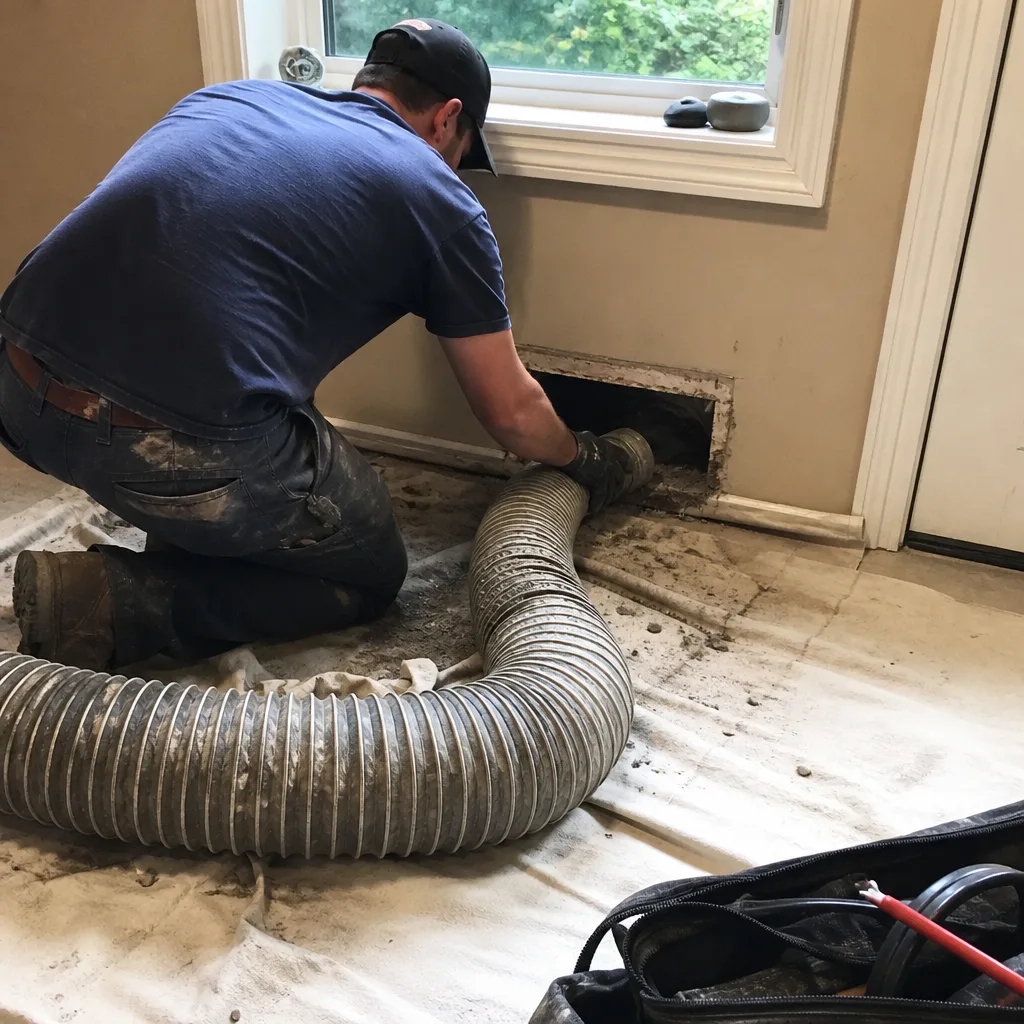 Before
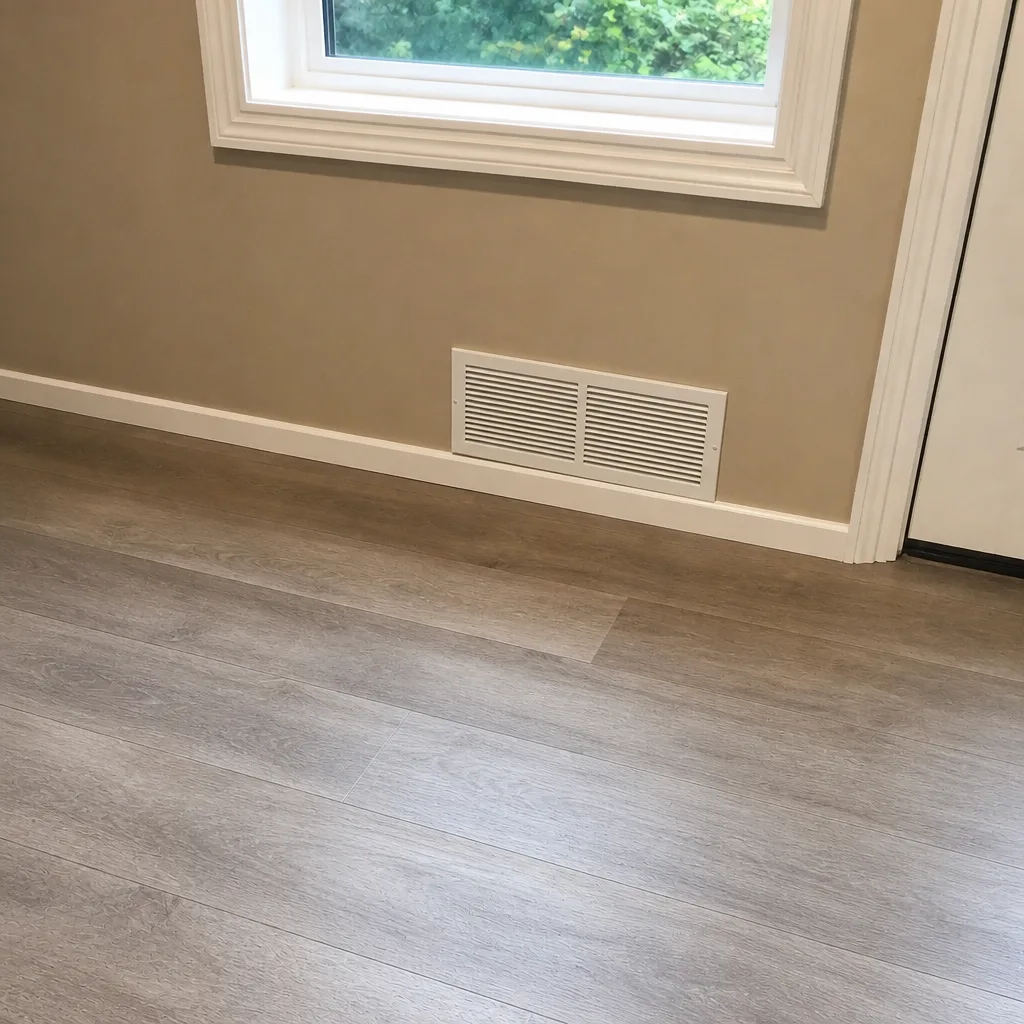 After
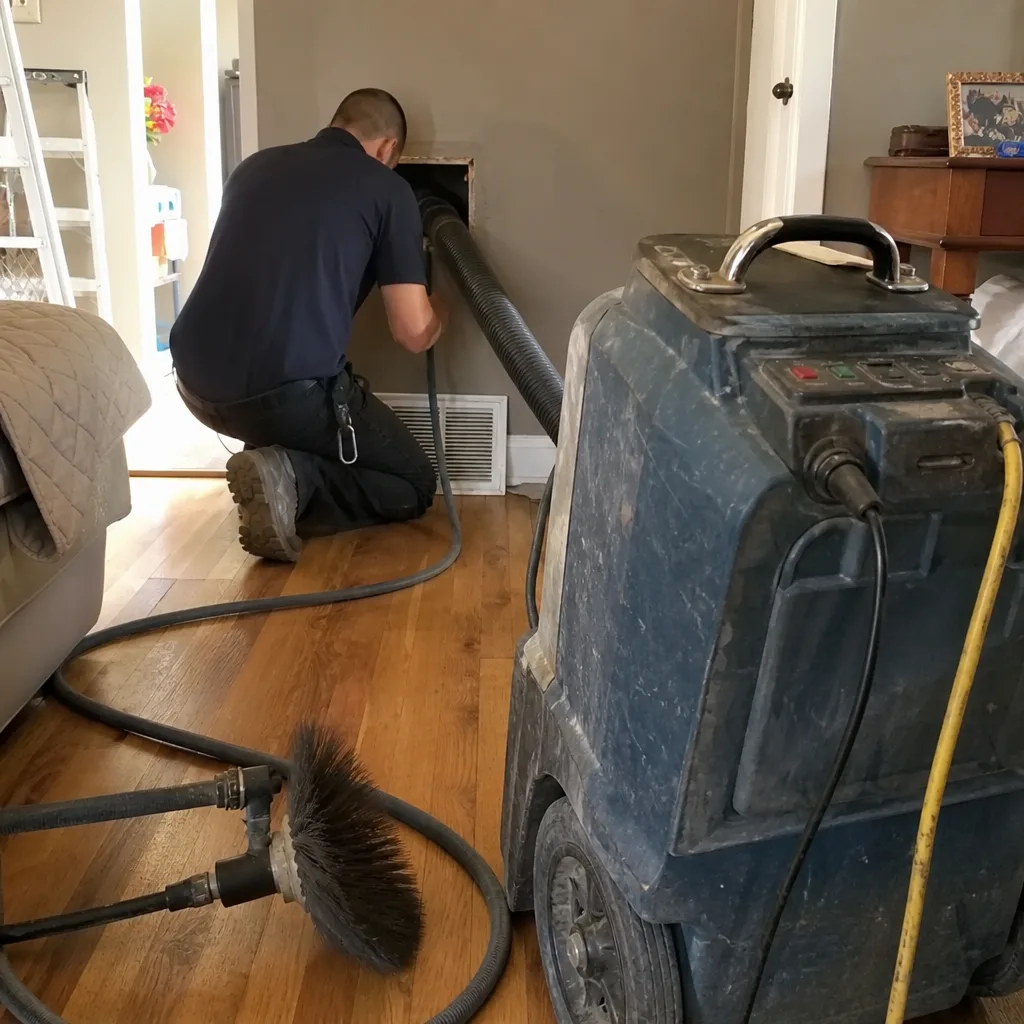 Before
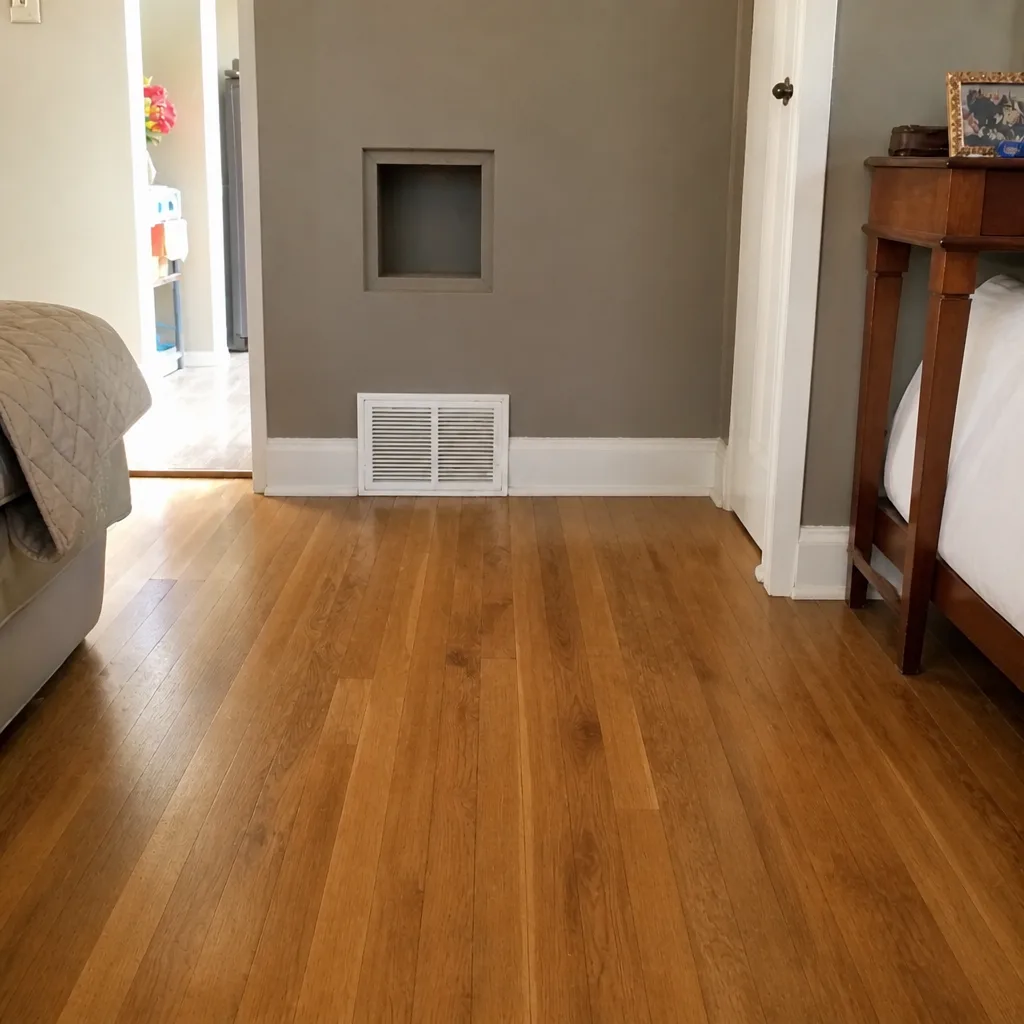 After
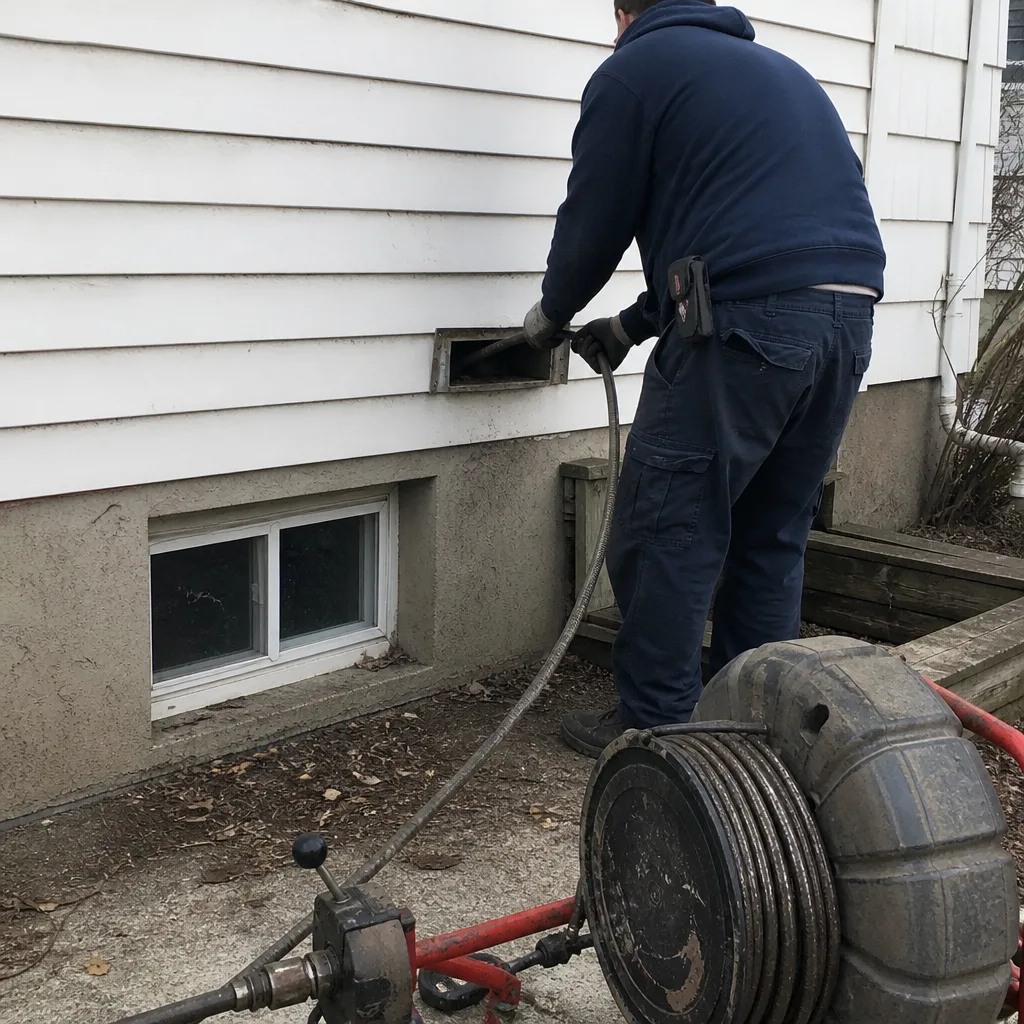 Before
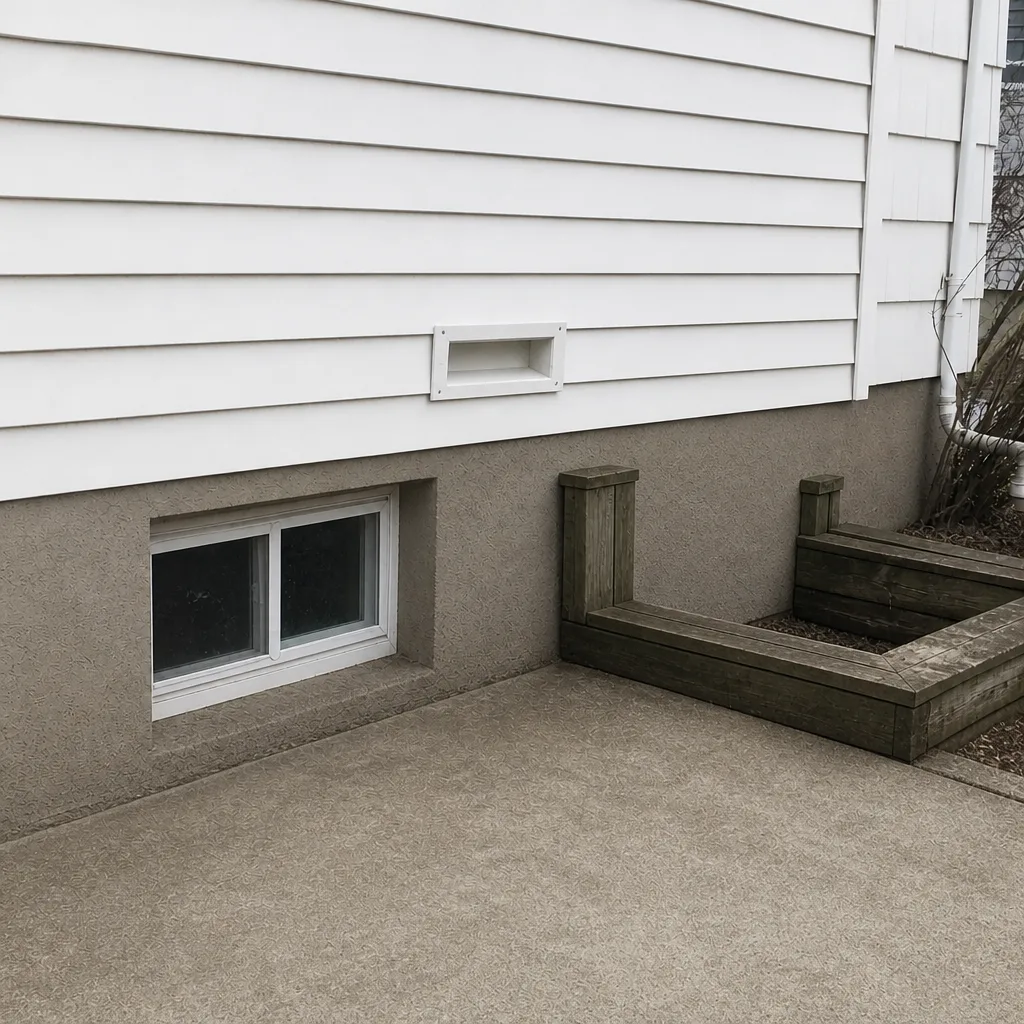 After
When to Call a Professional
Call a professional when the symptoms point to a system-wide problem, not a single register. Persistent dust on surfaces within days of cleaning, musty odor from the vents, visible debris blowing out of a return, an unexplained rise in allergy symptoms at home, and HVAC systems that haven’t been serviced in several years all warrant a full-system look. Call if you’re buying a home in Gravesend and the inspection report mentions the HVAC or ductwork. Call if the dryer is taking longer than it used to, or if the exterior vent flap stays shut. Also call if a previous cleaning left you with a vague sense that only part of the system was addressed; a verification-first assessment will show exactly what’s been done and what hasn’t. Air Duct Cleaning Gravesend offers free estimates in Gravesend – call (844) 917-3975. We answer 24/7. Fast dispatch from 7am to 7pm, Sunday through Friday. Our technicians have up to 13 years of experience, and every job is priced per system by a written estimate before any work begins.
Frequently Asked Questions
Air duct cleaning in Gravesend is priced per system, not per vent, and the final price is set by a written estimate before work begins. A whole-system quote covers the supply and return lines, plenums, air handler cabinet, and coil; if a quote only names your visible vents, it’s scoped for less than full-system service. Call (844) 917-3975 for an exact quote – estimates are free.
The cheaper quotes usually cover less: visible registers and nothing else, or a shop-vac-style cleaning without containment or verification. The line-item difference is scope, not skill. A quote that names the plenums, air handler, and coil in writing is comparing apples to apples; a quote that doesn’t is comparing registers to systems. Call (844) 917-3975 and ask what the estimate will cover.
Ask for a verification report with before-and-after photos from the same vantage points inside the ductwork, plus a list of the components cleaned. If the report can’t show you a trunk line, a return plenum, and the coil in both states, it isn’t documentation. We photograph every stage of the job as a routine part of service. Call (844) 917-3975 to schedule an assessment.
Most homes need it every three to five years, but the interval depends on the system: homes with pets, smokers, recent renovations, or oil-to-gas conversion residue often need it sooner. If you see dust returning within weeks of a cleaning, that’s usually a sign the ducts weren’t sealed, not that they need cleaning again. Call (844) 917-3975 for a free estimate and a sealing assessment.
It can reduce the dust and allergen load circulating through the home when a full-system cleaning is combined with sealing and, where findings warrant it, sanitizing. Cleaning alone removes existing debris; sealing prevents new contamination from entering through gaps; sanitizing addresses biological growth. The combination is what makes the difference. Call (844) 917-3975 to discuss what your system needs.
Yes. Dryer vent cleaning is part of the whole-home air-system service, and it’s the component with the highest fire risk. It belongs in the same visit as the duct cleaning so the entire air path is documented. Call (844) 917-3975 to add it to your estimate.
The Bottom Line
A complete air duct cleaning in Gravesend is a sequenced process, not a single service call: inspection, containment, mechanical cleaning, coil and cabinet cleaning, sanitizing where warranted, sealing and repair where needed, and documented verification. The gap between a full-system cleaning and a register brush-off isn’t a matter of thoroughness; it’s a matter of scope, and it’s visible in the written estimate before anyone arrives. If the estimate names the plenums, air handler, coil, and dryer vent, the price reflects a real cleaning. If it doesn’t, the job is smaller than what you thought you were buying.
Call (844) 917-3975. We answer 24/7. Fast dispatch from 7am to 7pm, Sunday through Friday. Estimates are free, the price is one flat price per system agreed before work starts, and every job ends with before-and-after photos of your own ducts. Professional-grade equipment from Rotobrush and Nikro, containment from Abatement Technologies, air-quality products from Honeywell and Aprilaire, and Guardsman sanitizing when your system needs it. That’s the finish line a completed system should reach.
Written by the team at Air Duct Cleaning Gravesend.