
Last updated November 22, 2026
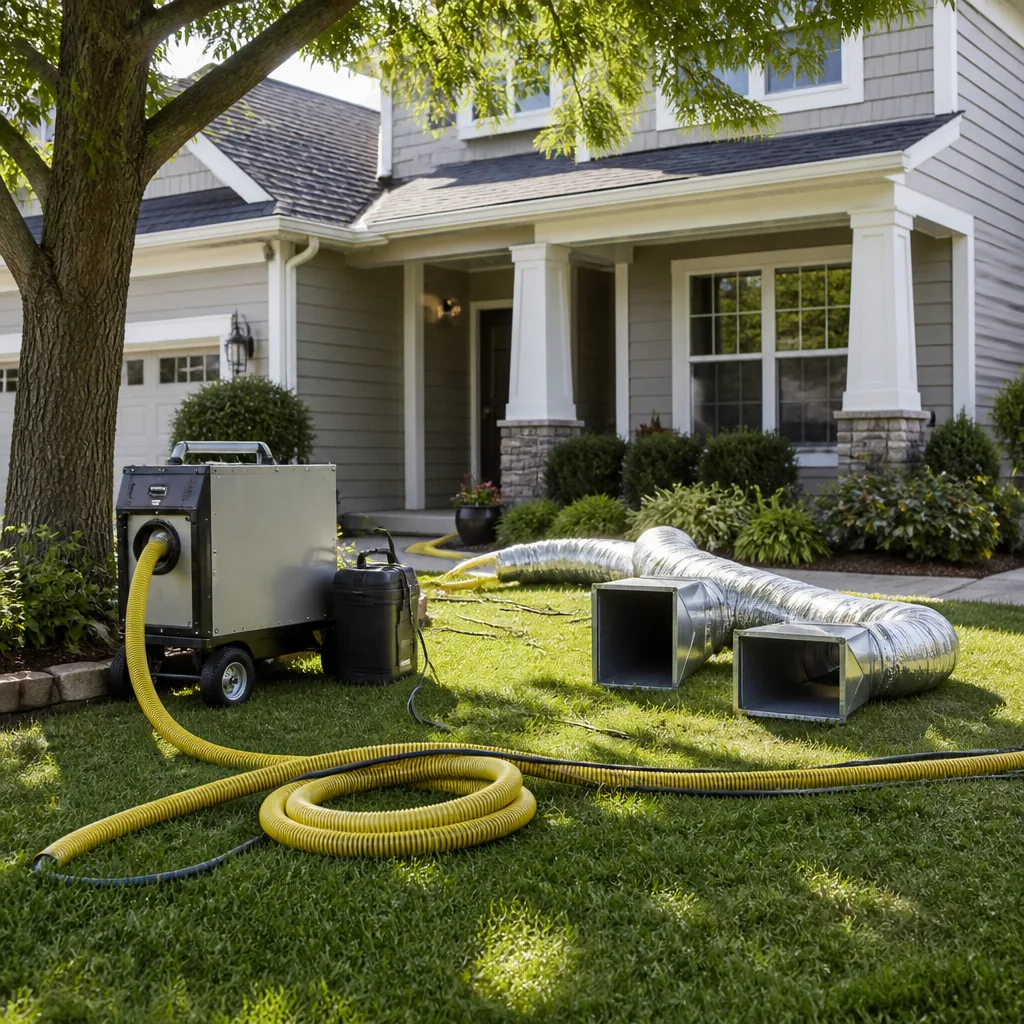 Whole-home duct cleaning
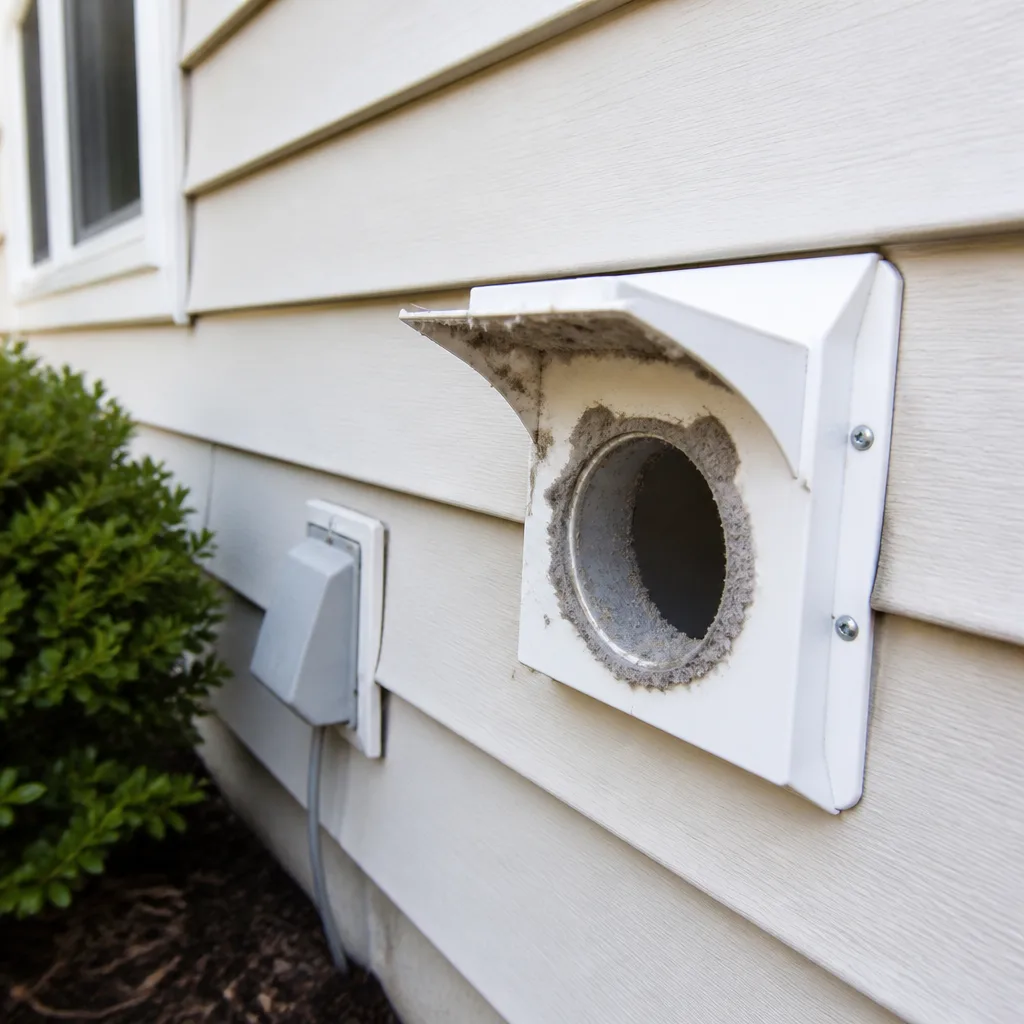 Dryer vent cleaning
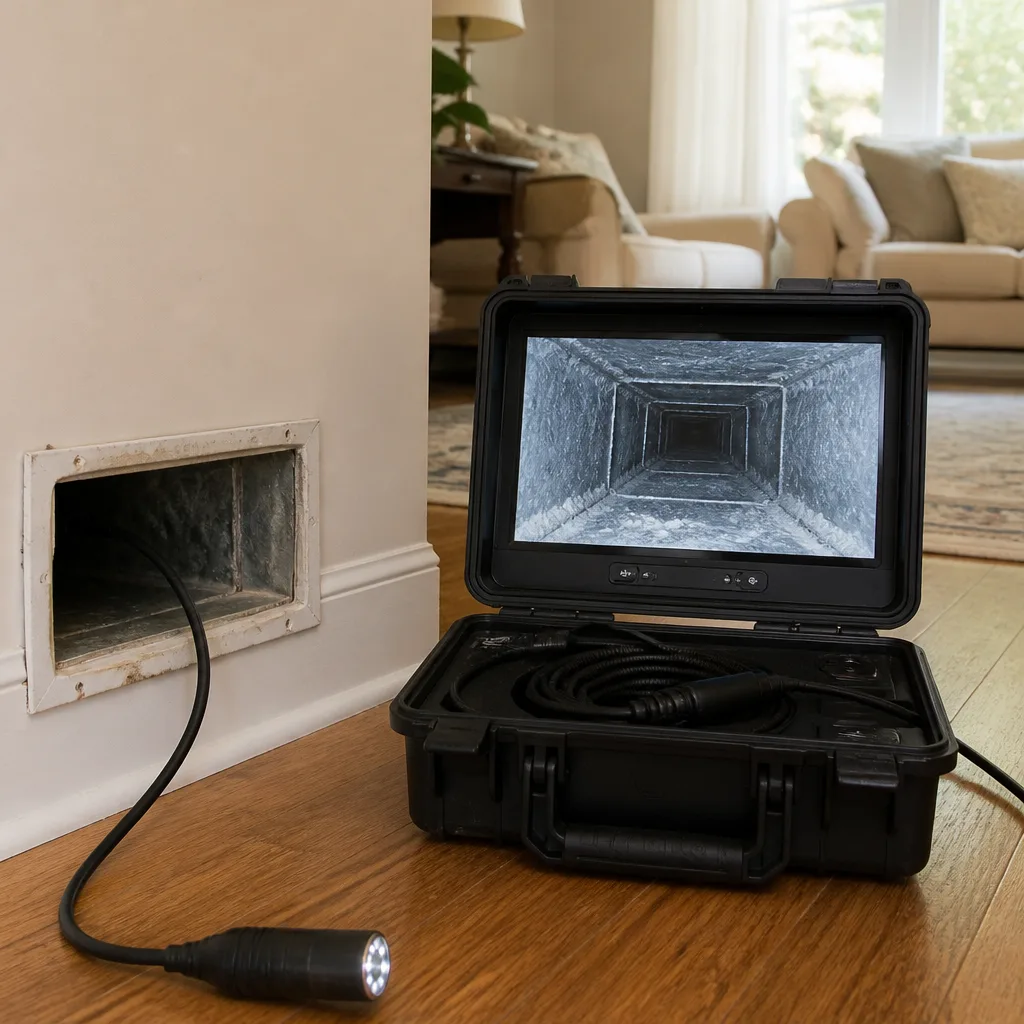 Camera inspection
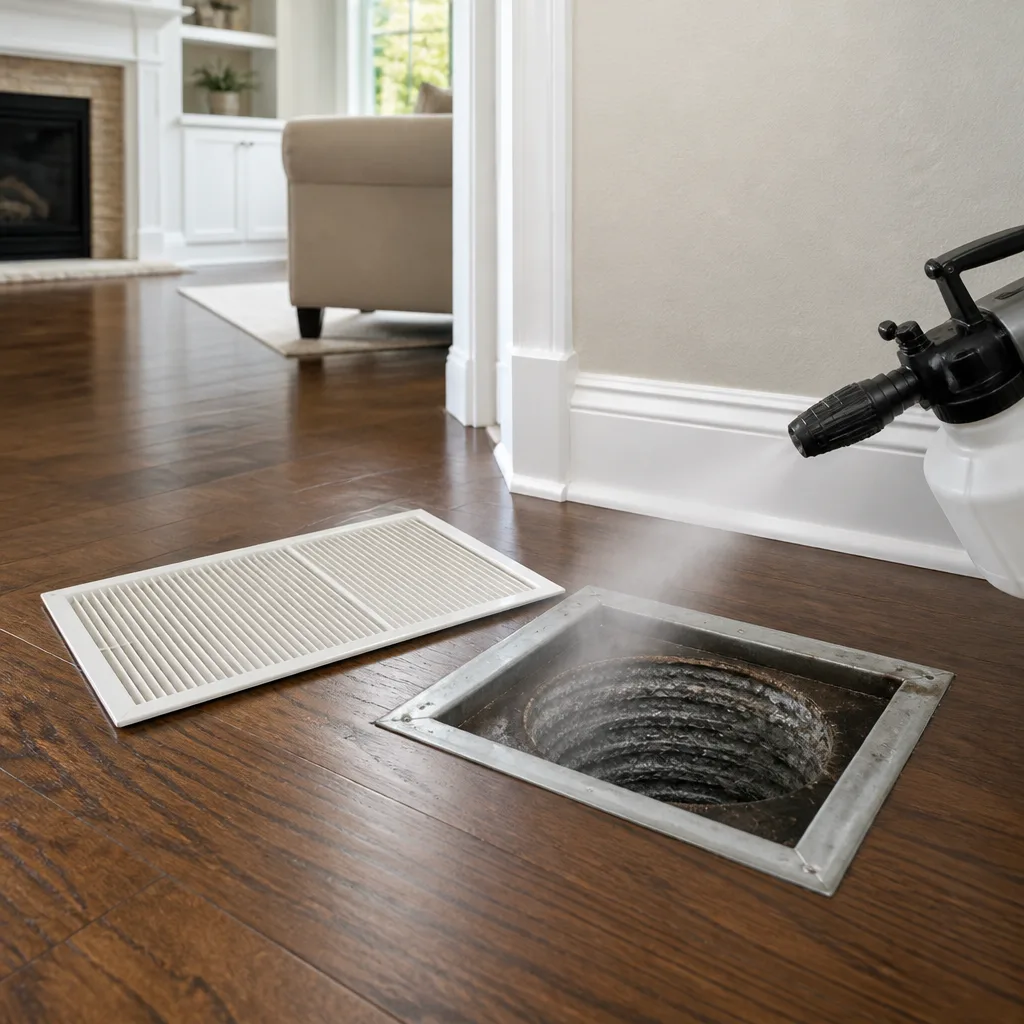 Sanitizing & deodorizing
Whole-system duct and dryer vent check with before-and-after photos - you see exactly what came out of your vents
That "$99 whole-house special" is a bait ad - the real number appears once they are in your hallway, or the "clean" is a shop-vac at the register. We photograph the inside of your ducts before and after instead.
Air Duct Cleaning Emergency Preparedness Guide for Gravesend Homes
Most Gravesend homeowners think about emergency preparedness in terms of batteries, water, and a go-bag. Almost nobody thinks about their duct system. That’s the gap this guide closes. Fire, flood, and storm events each send a specific kind of contamination through the ducts, and the response window is short. After Hurricane Ida’s 2021 flooding in Brooklyn, homes where water reached basement air handlers and duct runs faced a mold colonization window measured in days, not months, yet many Gravesend residents didn’t realize their ducts were involved until musty odors and allergy symptoms showed up long after the water was gone. Below you’ll find the post-flood, post-fire, and post-storm protocols, the insurance documentation that matters in New York, and the pre-event steps that make all of it easier.
Quick Answer
After a flood, fire, or major storm in Gravesend, the duct system needs assessment before it’s cleaned, not after: water contact means a 48-to-72-hour mold colonization window and a call for professional evaluation immediately, while fire and smoke mean you should shut the HVAC off entirely and not run the system until soot has been removed. Storm-related power outages are their own case, usually calling for inspection before restart rather than emergency cleaning. In every scenario, photograph the system and the damage before anyone touches it so your NY insurance claim categorizes the work correctly.
Styles & brands we work with
- Whole-home duct cleaning
- Dryer vent cleaning
- Camera inspection
- Sanitizing & deodorizing
Table of Contents
- Post-Flood Protocol: Did Water Reach Your Ducts?
- Post-Fire Protocol: Soot, Smoke, and the HVAC Shutoff Rule
- After the Storm: Debris, Power Surges, and Duct Liner Condensation
- Filing a NY Insurance Claim That Covers Duct Remediation
- Pre-Event Preparedness for Gravesend Homes
- The Right Order of Operations After an Event
- When to Call a Professional
Post-Flood Protocol: Did Water Reach Your Ducts?
The first question after any flooding isn’t “how do I clean this” but “did water actually contact the duct system.” In Gravesend, the answer usually turns on where the air handler sits. Homes with basement mechanical rooms, a common layout in the older two- and three-family houses around Avenue U and McDonald Avenue, are the ones most exposed when stormwater backs up through floor drains and foundation walls. A first-floor or attic air handler changes the picture entirely.
How to assess water contact
- Locate the air handler and note its height relative to the water line. Photograph both with a tape measure in frame if you can.
- Check flex duct and rigid trunk lines near the unit for sagging, water staining, or soft spots in the insulation jacket.
- Look inside supply and return registers on the lowest level for moisture, grit, or a damp smell.
- Note any duct liner that feels spongy. Fiberglass liner holds water and does not dry out on its own.
- Smell the return air at the handler. A musty or earthy odor within a day or two is a red flag.
The colonization window is the part most people get wrong. Once porous duct components are wet, mold can begin establishing within roughly 48 to 72 hours in a warm, humid space. That means the assessment call comes before any cleaning, not after. A crew that shows up and starts vacuuming a wet system can spread spores through the whole house. Cleaning, when water contact is confirmed, happens after the system is dried, the liner situation is resolved, and in serious cases after sanitizing with a product like Guardsman. We’ve seen homes on flooded blocks where the ducts were cleaned too early and the musty smell returned within weeks.
If water only reached the basement floor and never contacted the unit or the duct runs, you’re usually looking at a routine air duct cleaning and a moisture check rather than a remediation sequence. Either way, document first.
Post-Fire Protocol: Soot, Smoke, and the HVAC Shutoff Rule
Smoke residue behaves differently than people expect. It travels as fine particles carried on warm air, and in a house with the HVAC running, those particles distribute through the entire duct network in minutes. Soot settles on duct walls, register grilles, the blower wheel, and the evaporator coil. The residue is acidic and oily, and it keeps off-gassing a smoke odor long after the visible burn damage is repaired. In our experience, this is why a fire in one room of a Gravesend home can leave a smoke smell in bedrooms the fire never touched.
The single most important rule
Do not run the HVAC system after a fire until the ducts have been professionally cleaned. Every cycle pulls more soot into the system and pushes it into the living space. The people most affected are often the ones trying to air the house out with the fan on.
What to do, in order
- Shut the HVAC system off at the thermostat and, if you can safely reach it, at the breaker. Leave electrical panel work to a licensed electrician.
- Keep windows closed if the fire was recent and smoke is still present outdoors. Don’t trade one particle source for another.
- Photograph everything: duct registers, the air handler, visible soot on grilles, the thermostat settings, and any areas where ceiling or wall cavities were opened.
- Save the fire department report and the incident number. Your adjuster will ask.
- Call for professional evaluation before the restoration contractor reseals walls. Ducts behind new drywall are harder and costlier to clean.
For a full fire, the right scope usually involves HVAC cleaning as well: the blower, coil, and cabinet all collect soot and need the same treatment as the ductwork. Containment and filtration equipment, the kind Abatement Technologies builds for remediation work, matters here because you don’t want soot disturbed and re-released during the process. Once the soot is gone, a sanitizing pass neutralizes the residue that leaves the smoke smell behind.
After the Storm: Debris, Power Surges, and Duct Liner Condensation
Not every storm emergency involves fire or water in the ducts. The most common storm scenario in Gravesend is the slow one: an extended power outage during a summer heat wave or a winter cold snap. When the HVAC sits idle for days in a house with high humidity, condensation builds inside the duct system, and fiberglass duct liner acts like a sponge. A liner that stays damp becomes a growth surface, and that’s a problem you don’t notice until the system is running again.
What to inspect after extended downtime
- The air handler cabinet: look for standing water in the drain pan, a clogged condensate line, or rust on the blower housing.
- Duct liner at the plenum and the last few feet of each trunk: feel for dampness and look for dark staining.
- Registers on exterior walls: storm-driven rain can enter through poorly sealed wall sleeves. That’s one more reason duct sealing work pays off between events.
- The outdoor unit: clear leaves, branches, and debris from around it before restarting.
- Electrical: after a surge, a tripped breaker or a unit that won’t start deserves an electrician or HVAC tech, not a reset-and-hope approach.
One thing Gravesend doesn’t deal with much: hail. It’s uncommon here, so when someone tells you a “hail-damaged” duct system needs replacement after a Brooklyn storm, ask for photos and a second opinion. What storm damage usually looks like here is water intrusion, debris in the outdoor unit, and the condensation problem above.
Filing a NY Insurance Claim That Covers Duct Remediation
Duct cleaning and duct remediation are two different line items on a claim, and the difference is worth money. Routine cleaning is maintenance and almost never covered. Remediation following a covered event like a burst pipe, fire, or storm-driven water intrusion usually is, provided you can show the work was caused by the event and not by neglect. The trouble is that adjusters see “duct cleaning” on an invoice and categorize it as maintenance by default. Documentation is how you fix that.
The documentation that actually matters
- Date-stamped photos of the water line, the fire damage, or the damaged system before any cleanup. Take them with your phone and back them up.
- The cause-and-origin report from your insurer or the fire marshal. This is the document that ties the loss to the work.
- A written scope from the remediation contractor that names the contamination type (soot, water intrusion, mold), the affected components, and the sequence. Cleaning plus drying plus sanitizing should each appear.
- An itemized invoice separating labor, equipment, antimicrobial treatment, and any liner repair. Bundled line items get denied more often.
- Before-and-after photos from the crew. Your adjuster will want them, and so will you if the claim is disputed.
Call your insurer early. In New York, most policies require prompt notice of a loss, and a delay while you wait for remediation quotes can complicate the claim. You can also ask your adjuster in writing to confirm whether “duct remediation” is treated as part of the covered water or fire damage; getting that answer in writing before work starts prevents surprises.
Pre-Event Preparedness for Gravesend Homes
The work you do before an event is quieter and cheaper than the work after. A few minutes of preparation protects the system when the next storm or outage hits.
Steps to take now
- Photograph your system. The air handler, every visible duct run, the registers, and the outdoor unit. Store the photos off your phone. That baseline makes an insurance claim and a post-event assessment far simpler.
- Know your HVAC shutoff. Find the breaker and label it. In a fire or flood, the first thing you should do is stop the system, and you should not be hunting for the panel in the dark.
- Check register covers and wall sleeves. Ground-floor and basement registers are where water gets in. Confirm the seals are intact before the season changes.
- Elevate what you can. If your air handler sits on the basement floor, ask an HVAC contractor about raising it on a platform. It’s the single best flood-prep step for a Gravesend basement system.
- Schedule a cleaning and inspection before storm season. A clean, dry system has less material for moisture or soot to cling to, and you’ll know its condition when the adjuster asks.
- Clean the dryer vent as part of the same pass. Storm season and fire season are the same season, and lint buildup is one of the leading causes of house fires.
Professional-grade equipment matters here too. A Rotobrush or Nikro system with proper containment does a fundamentally different job than a shop vacuum and a brush, and it gets to the parts of the system a homeowner can’t reach. That’s what “clean” actually means when it’s time to document the result.
The Right Order of Operations After an Event
Sequence is where most post-event mistakes happen. Cleaning too early, drying too late, or restarting the system before the ducts are cleared all create problems that cost more than the original event. Here’s the order we recommend in every case, from a flooded basement to a kitchen fire to a week-long outage.
- Stop the system. Shut off the HVAC at the thermostat and, if safe, the breaker.
- Document. Photos, video, water or soot lines, dates. This is the insurance evidence.
- Assess moisture or contamination. A professional determines whether the ducts saw water, soot, or neither.
- Dry, if wet. Don’t clean a wet system. Dry it first, then address any liner that won’t dry.
- Clean with professional equipment. HEPA-grade vacuuming and mechanical agitation, with containment so nothing vents into the house.
- Repair and seal. Any compromised joints, disconnected runs, or torn liner get fixed. This is where we close the loop so contamination has no re-entry path.
- Sanitize. A post-cleaning treatment neutralizes what mechanical cleaning leaves behind.
- Restart and verify. Run the system, confirm airflow at every register, and take the after photos.
We’ve handled this sequence for Gravesend homeowners and landlords across all three event types, and the rule holds: the right order saves money and protects the people in the house.
Common Mistakes to Avoid
- Running the HVAC after a fire to “air it out.” This pushes soot into every room. Shut the system off and leave it off until the ducts are clean.
- Cleaning wet ducts. Vacuuming a wet system spreads spores. The system has to be dry before cleaning starts.
- Waiting months to address a flooded basement system. The mold colonization window is 48 to 72 hours, and after that you’re looking at remediation instead of a moisture check.
- Skipping the photos. Without date-stamped documentation, adjusters classify duct work as maintenance and deny it.
- Assuming a clean duct is a sealed duct. If joints are open and liner is torn, new contamination gets back in. Repair and sealing are part of the fix.
- Overlooking the dryer vent. A post-storm or post-fire response that ignores the dryer vent leaves a known fire risk in place. Clean it in the same visit.
- Getting one quote, from a crew without containment and HEPA equipment. Ask what equipment they use. If the answer is a shop vacuum, that isn’t a remediation.
See the difference
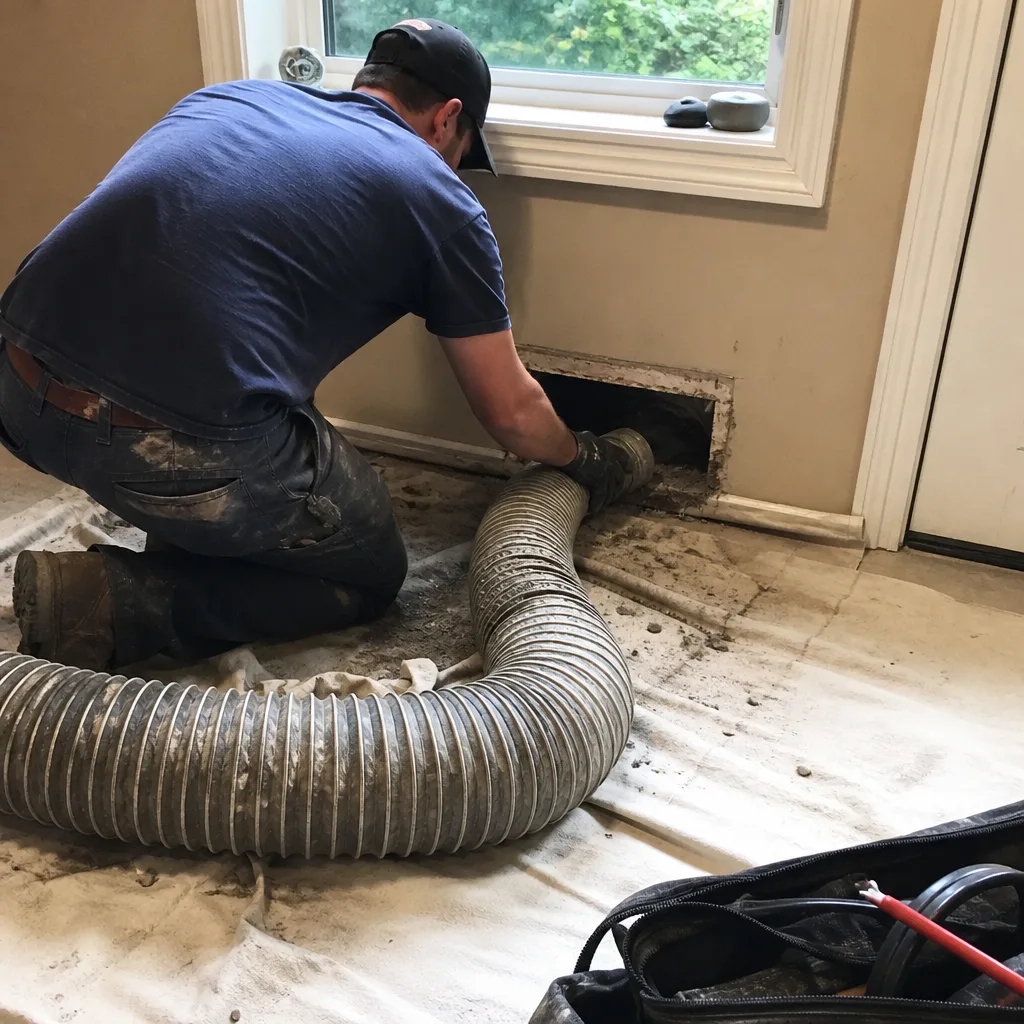 Before
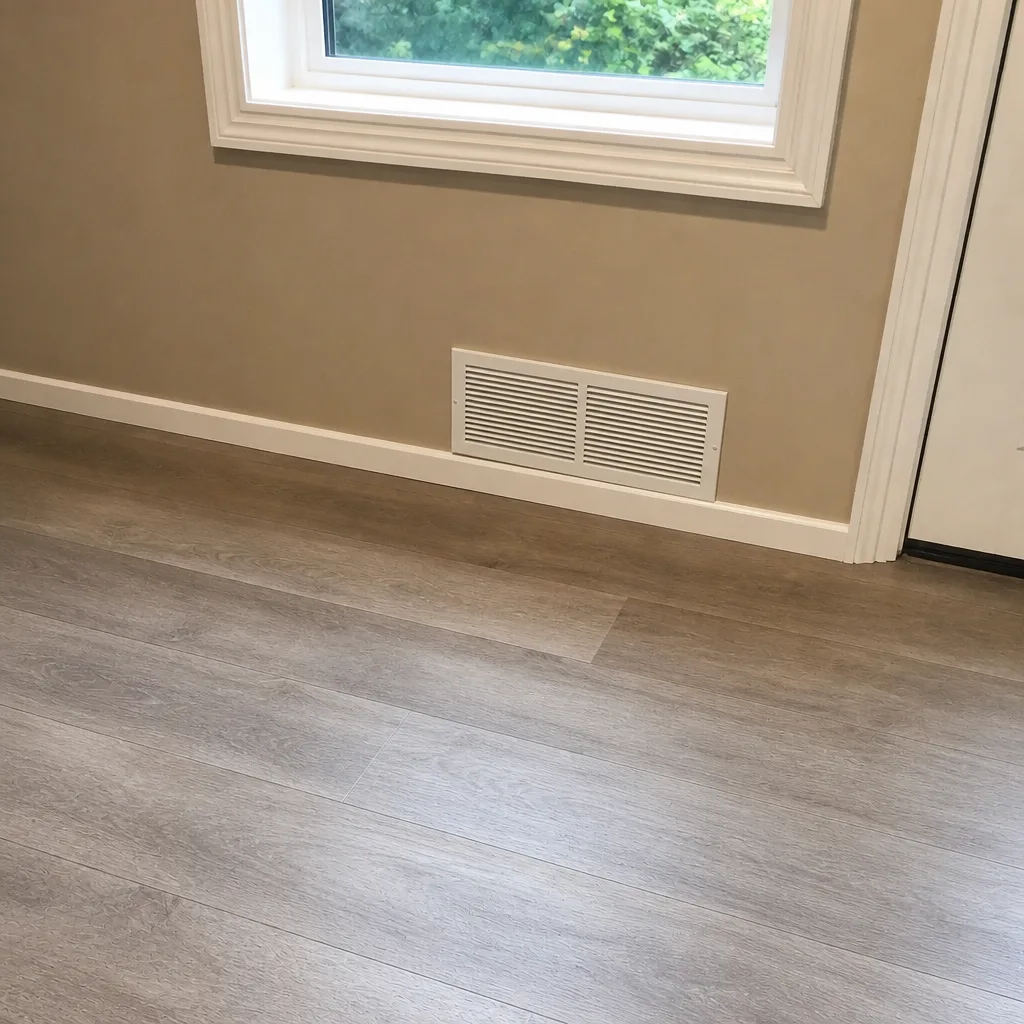 After
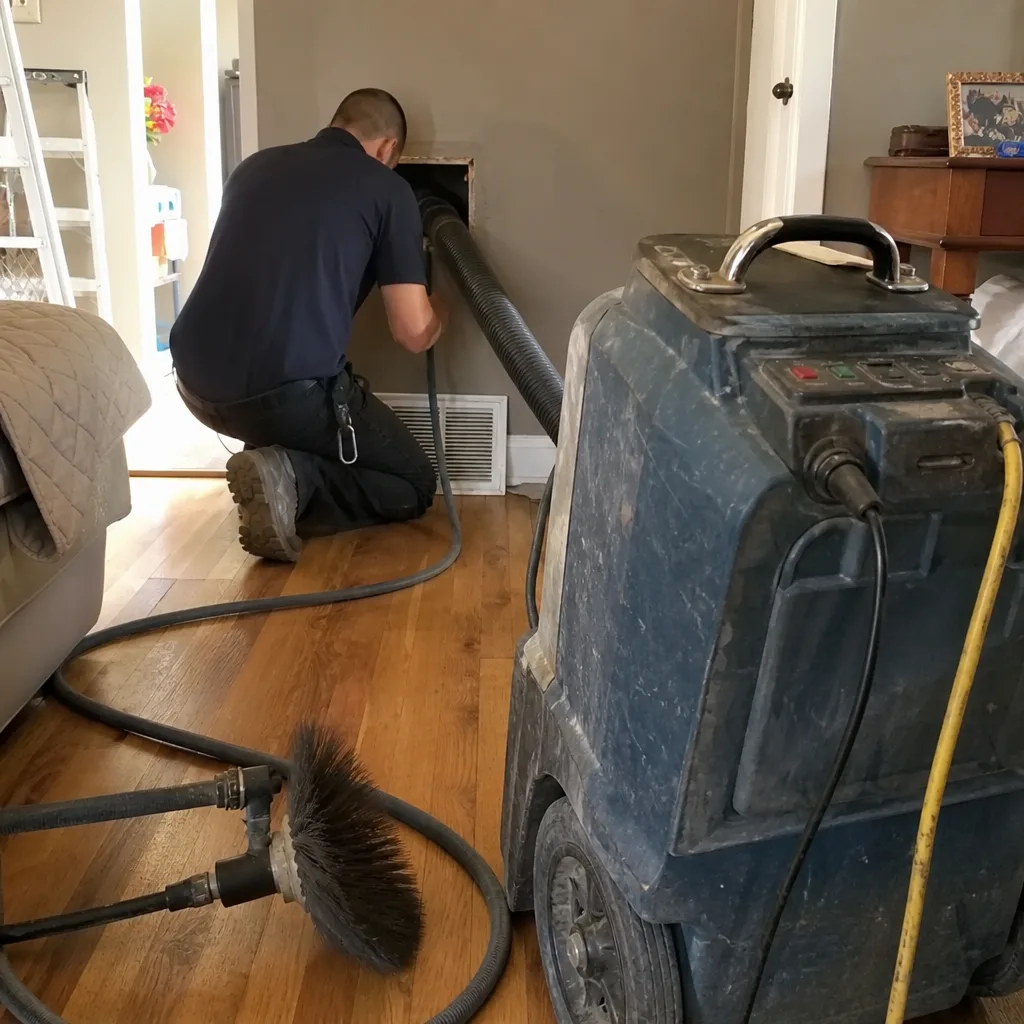 Before
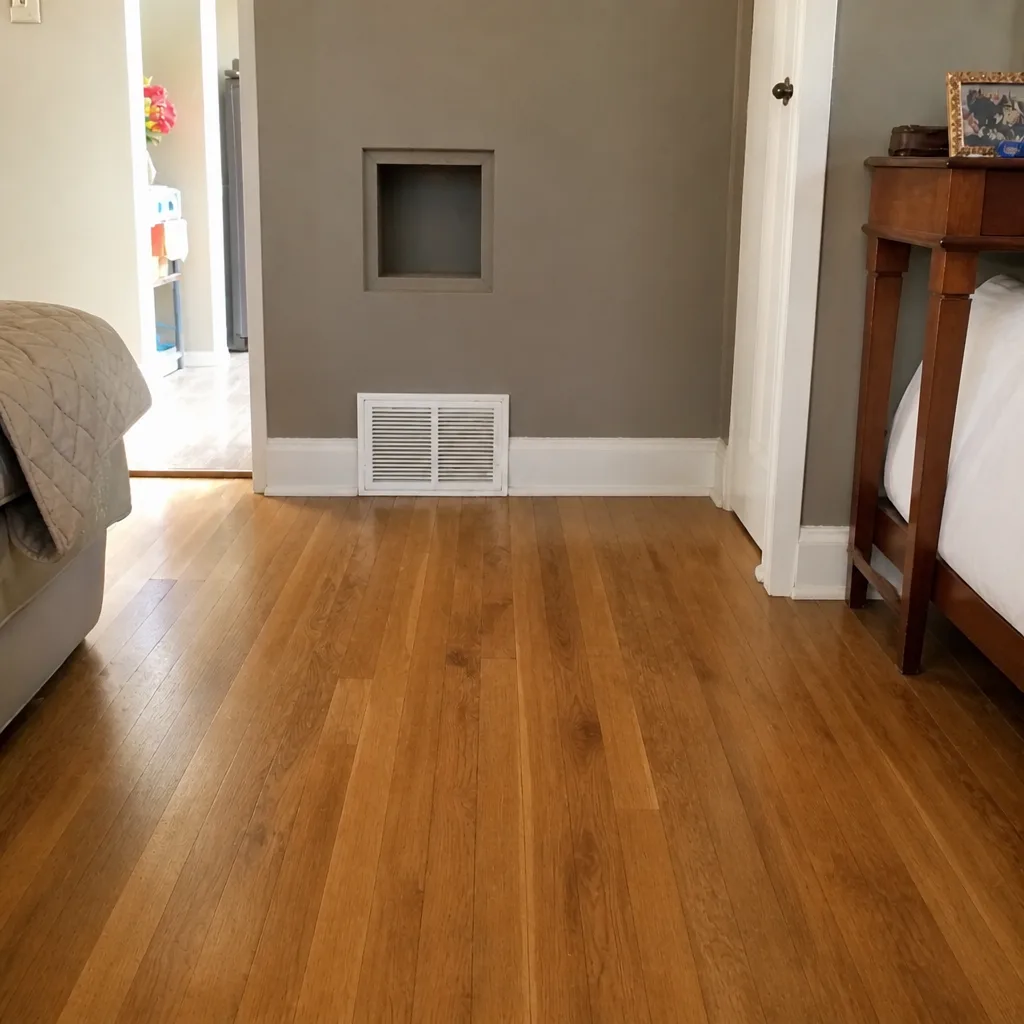 After
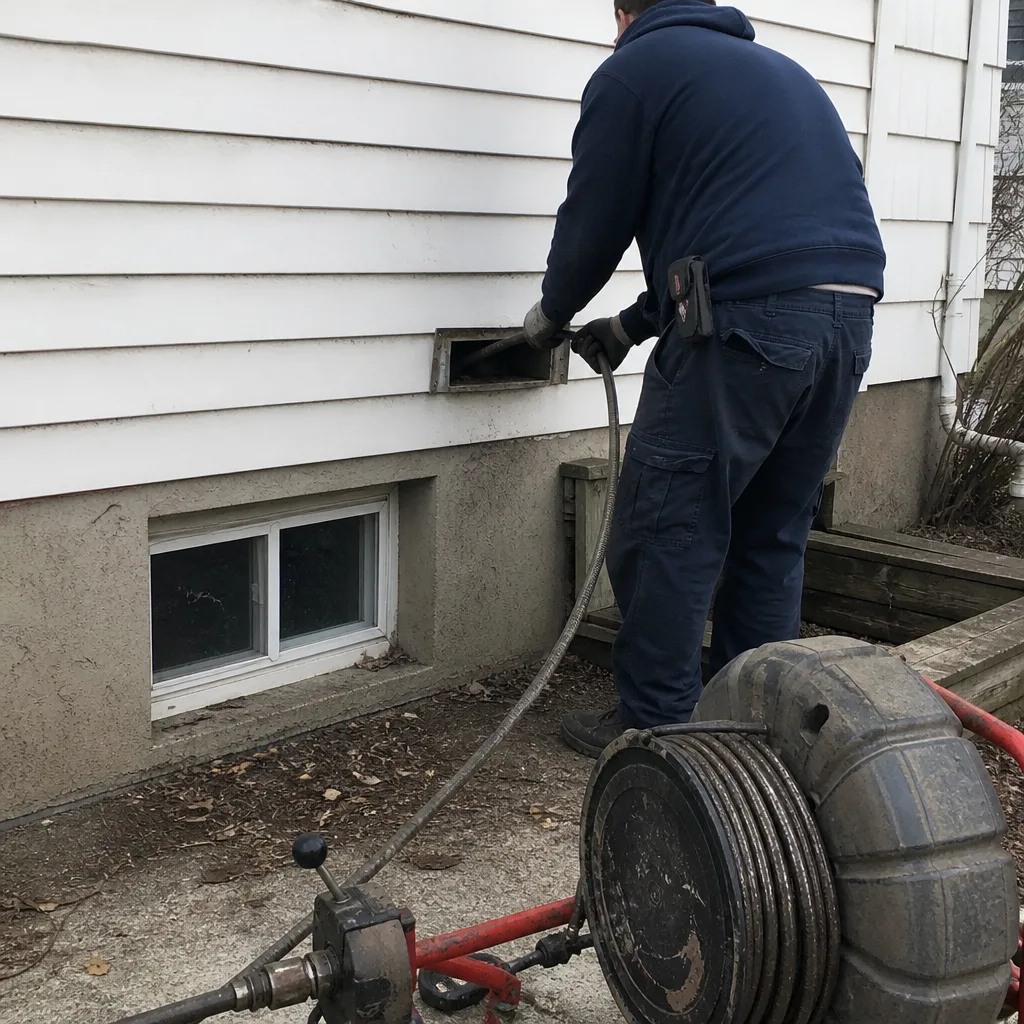 Before
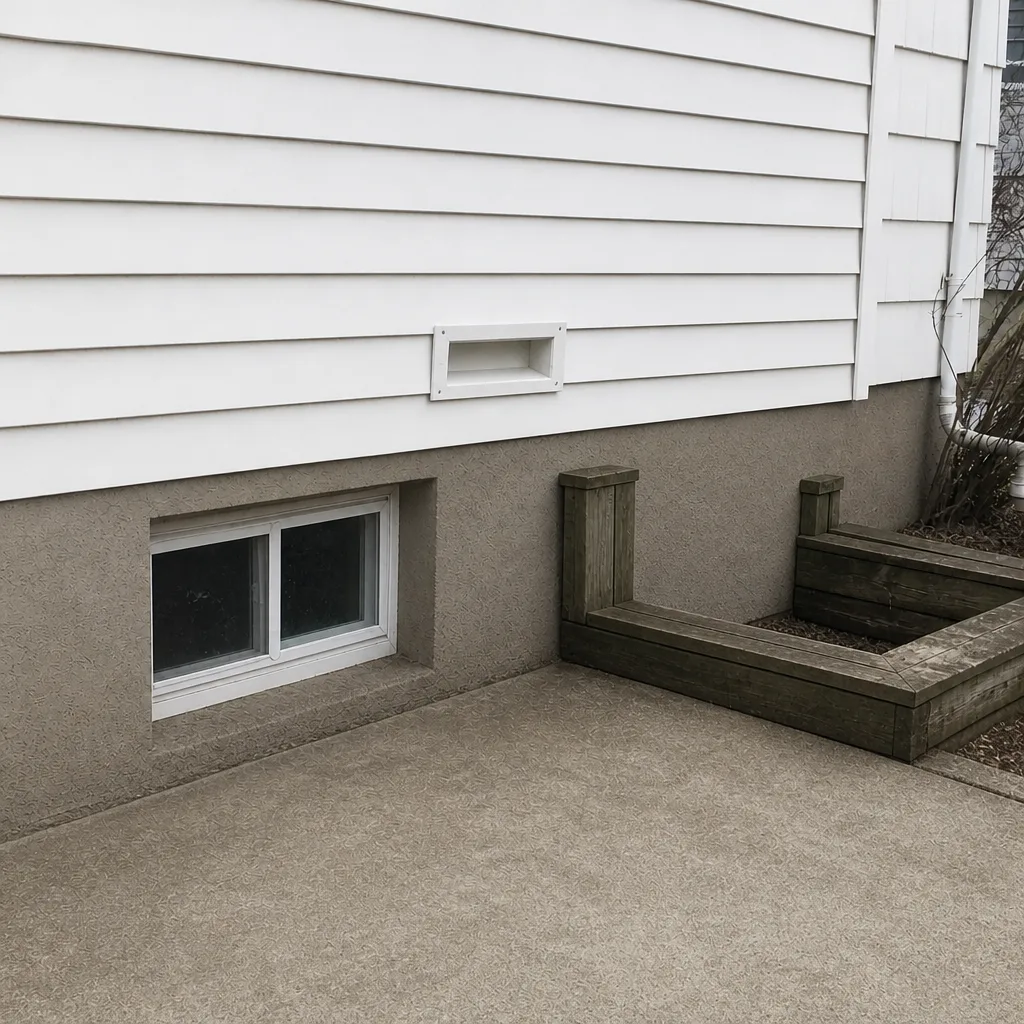 After
When to Call a Professional
Call for professional evaluation when water touched the air handler or any duct run, when there’s been any fire in the home and the HVAC ran during it, and when you can smell smoke or dampness through the supply registers after an event. Call after any outage longer than a couple of days in humid weather, too, especially if the system sits in a basement. And call before you let a restoration contractor close up walls around ducts that may be contaminated. In Gravesend, we’ve handled all of these cases and can tell you quickly whether you’re looking at a cleaning, a repair and sealing job, or full remediation.
Air Duct Cleaning Gravesend offers free estimates in Gravesend. Call (844) 917-3975. We answer 24/7. Fast dispatch from 7am to 7pm, Sunday through Friday.
Frequently Asked Questions
You need an assessment within 48 to 72 hours if water contacted the duct system or air handler, because that’s the window when mold can start colonizing wet components. Cleaning itself waits until the system is dry and the contamination has been evaluated. Call (844) 917-3975 for an exact quote, and estimates are free.
No. Running the system after a fire pulls soot and smoke particles into the ductwork and distributes them through the whole house. Shut it off at the thermostat and, if safe, at the breaker, then get the ducts professionally cleaned before restarting. Call (844) 917-3975 for an exact quote, and estimates are free.
It can, if the cleaning is remediation of covered damage like water intrusion or fire residue, and if you have documentation tying the work to the event. Routine maintenance cleaning is generally not covered. Photograph the damage first, get a written scope that names the contamination type, and call your insurer early. Call (844) 917-3975 for an exact quote, and estimates are free.
You need an inspection more than cleaning. Extended HVAC downtime in humid weather can cause condensation inside the duct system and dampen fiberglass liner, which becomes a growth surface. A moisture check answers the question quickly. Call (844) 917-3975 for an exact quote, and estimates are free.
Cleaning removes accumulated debris from a system in normal condition. Remediation means addressing contamination from a specific event, like soot or water intrusion, and it involves drying, cleaning with containment, repairing any compromised components, and sanitizing. Insurers treat these as different line items. Call (844) 917-3975 for an exact quote, and estimates are free.
Ask for before-and-after photos of your own ducts, not stock images, and confirm the crew uses professional-grade equipment with containment so nothing is vented into your home. Our technicians use Rotobrush and Nikro systems and can document the work for your insurance file. Call (844) 917-3975 for an exact quote, and estimates are free.
The Bottom Line
Emergency preparedness for a Gravesend home includes the duct system. Water contact means a 48-to-72-hour window and an assessment before any cleaning. Fire means shutting the HVAC off and keeping it off until soot is removed. A long outage means a moisture inspection before restart. In every case, photograph first, document for the insurer, then let a professional handle the sequence: dry, clean with containment, repair and seal, sanitize, verify. That order protects both your air quality and your claim. Our technicians have up to 13 years of experience with the equipment these jobs require.
Related Services
- air duct cleaning for routine and post-event system cleaning.
- dryer vent cleaning to close the fire-safety gap most duct work misses.
- HVAC cleaning for the blower, coil, and cabinet after soot or moisture exposure.
- Air Duct Cleaning Gravesend for the full range of residential and commercial services.
Call (844) 917-3975 for a free estimate. We answer 24/7. Fast dispatch from 7am to 7pm, Sunday through Friday.
Written by the team at Air Duct Cleaning Gravesend.
What happens when you call
- 1
A real person answersNo phone trees – you reach a local pro.
- 2
You get an upfront price rangeHonest numbers before anyone is dispatched.
- 3
A background-checked tech heads outLicensed & insured, dispatched right away.
- 4
You approve before work beginsNothing starts until you say go.