
Last updated November 22, 2026
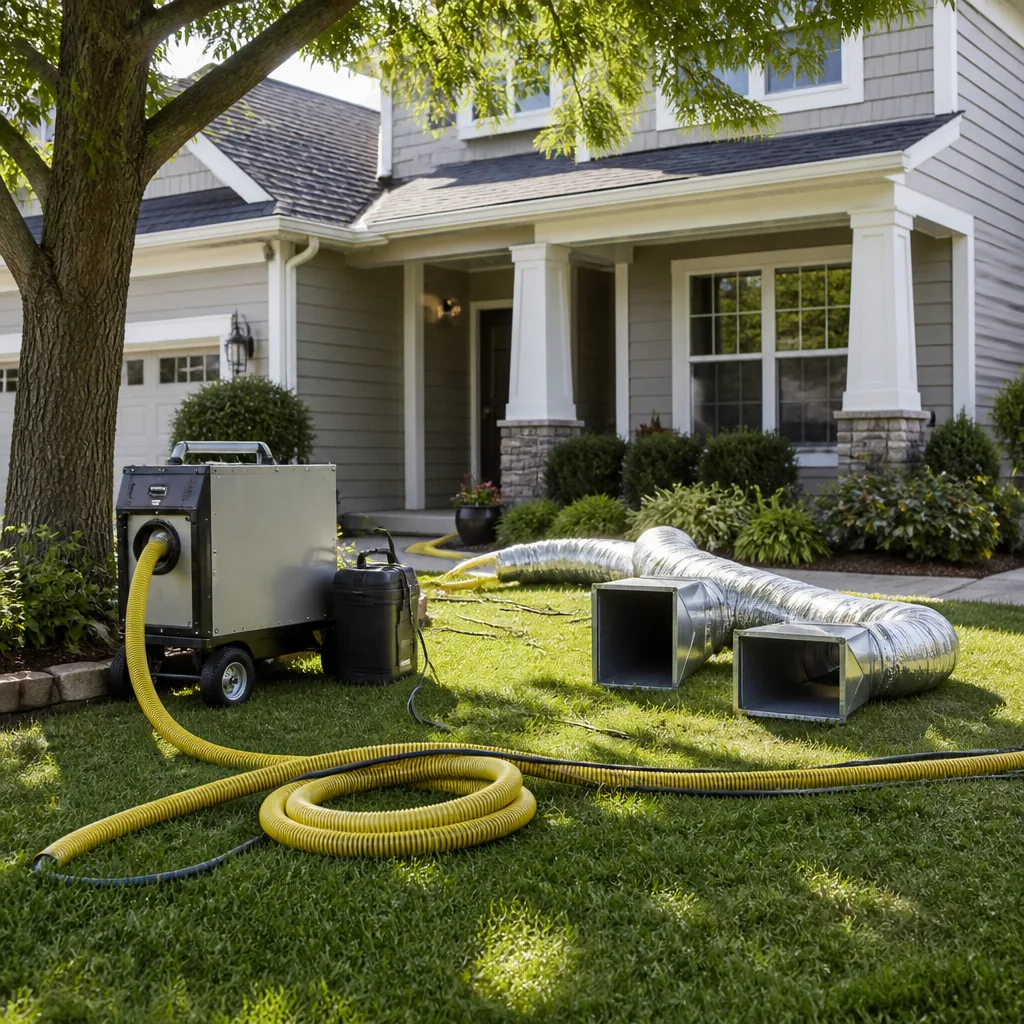 Whole-home duct cleaning
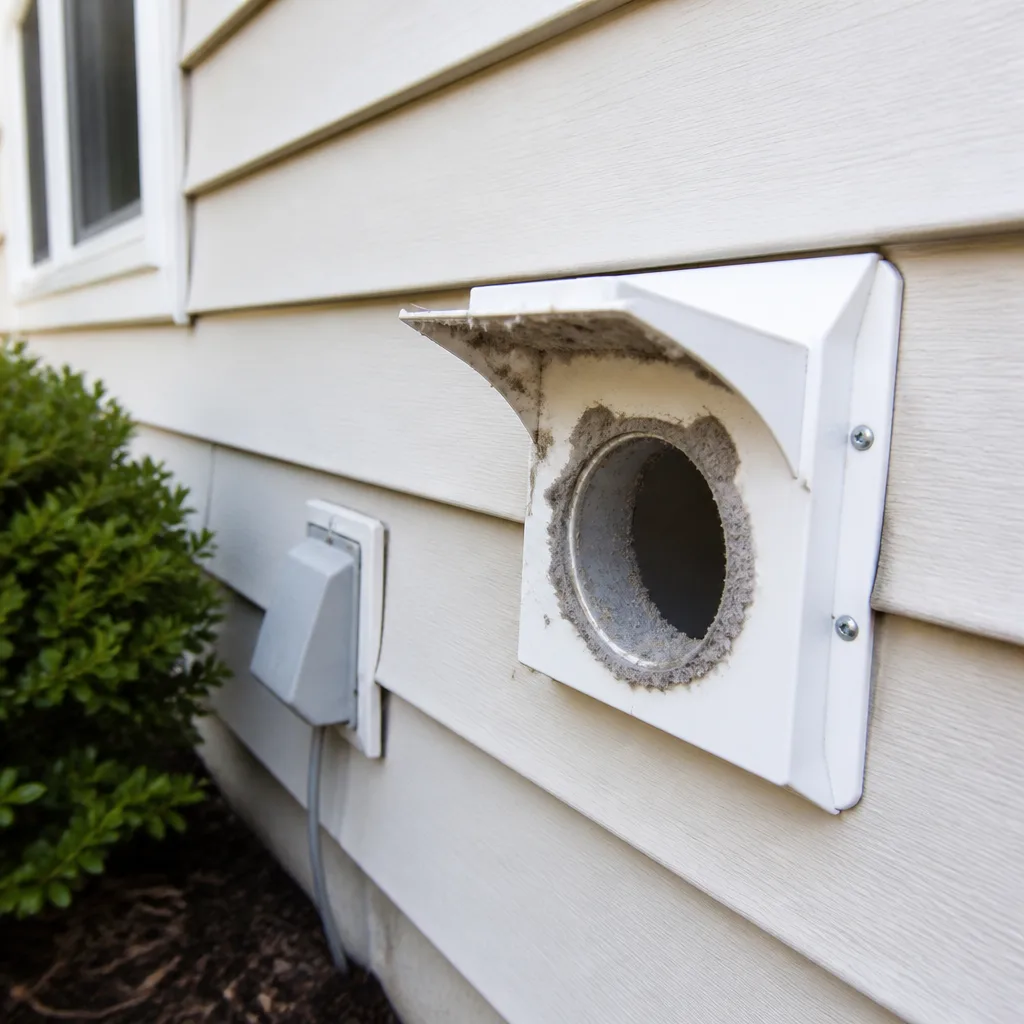 Dryer vent cleaning
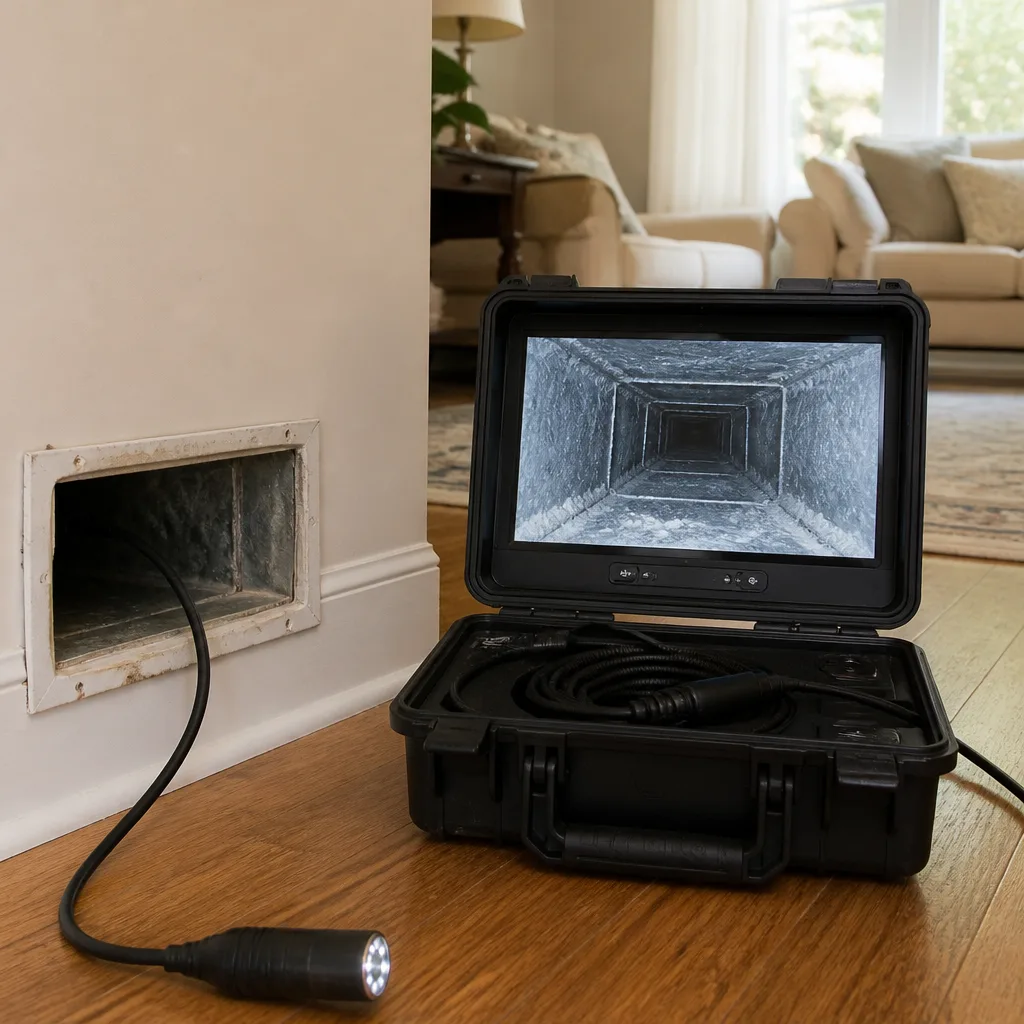 Camera inspection
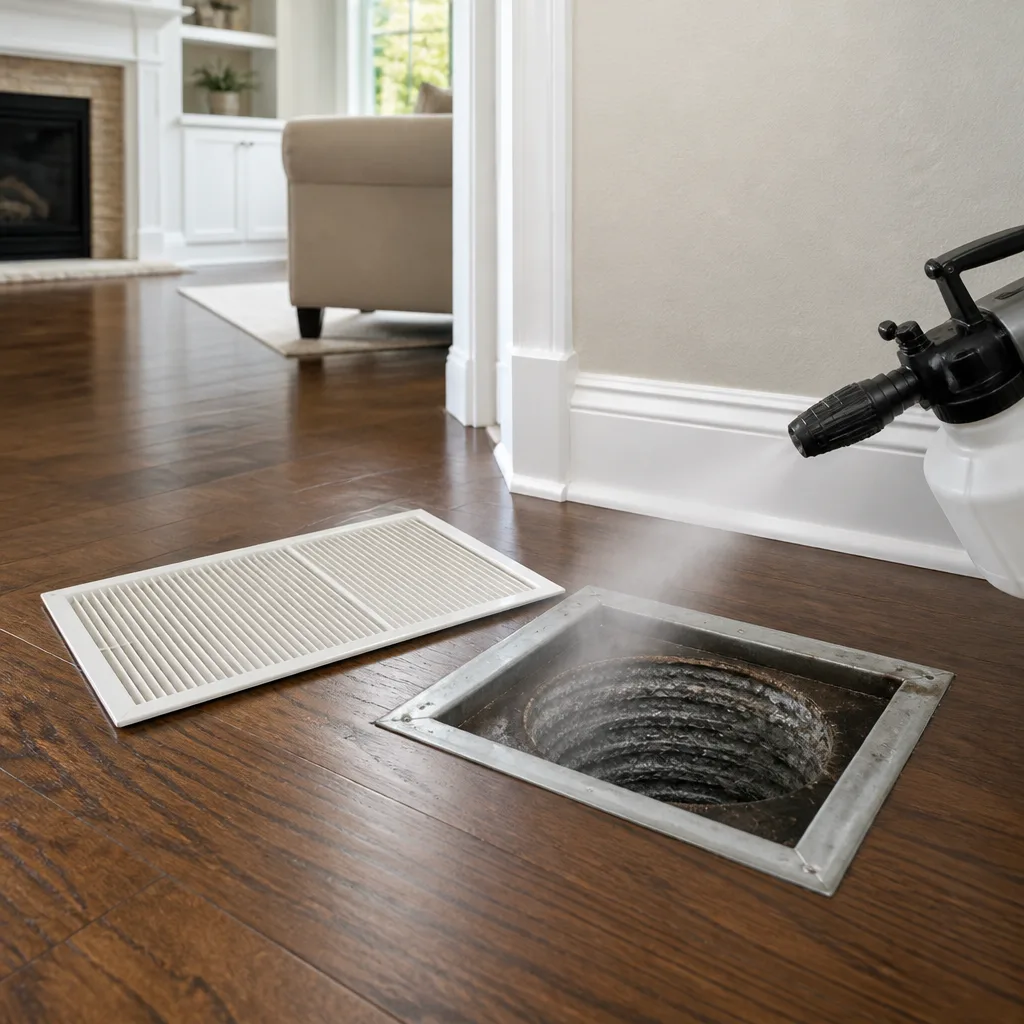 Sanitizing & deodorizing
Whole-system duct and dryer vent check with before-and-after photos - you see exactly what came out of your vents
That "$99 whole-house special" is a bait ad - the real number appears once they are in your hallway, or the "clean" is a shop-vac at the register. We photograph the inside of your ducts before and after instead.
Air Duct Cleaning Permits, Codes & Inspections in Gravesend, NY: What You Need to Know
Here’s the part most people get wrong: cleaning your ducts doesn’t require a permit in New York, but the repairs that often follow do. A homeowner in Gravesend can have their entire duct system cleaned and never once touch the Department of Buildings. The moment a contractor cuts out a section of galvanized trunk, replaces flexible duct with rigid pipe, or swaps out a liner, that job may fall under NYC Mechanical Code Chapter 6 as an alteration and require a DOB filing. Plenty of “cleaning” companies blur that line, especially when they discover damaged ducts mid-job and offer to fix them on the spot. This guide draws the line clearly: what cleaning covers, what triggers a permit, how Local Law 97 factors into sealing decisions, and how to check whether past work on your property was ever filed. That last step matters most if you’re selling.
Quick Answer
Air duct cleaning itself is not a permitted activity under NYC code – it’s maintenance, and no DOB filing is required. But repair, replacement of duct sections, and liner installation are classified as HVAC alteration work under NYC Mechanical Code Chapter 6, and those require a permit pulled by a licensed contractor. If you’re in Gravesend and a company tells you the whole job – cleaning plus repairs – needs no paperwork at all, ask them exactly which parts of the work are alteration and which are maintenance. The answer should be specific.
Styles & brands we work with
- Whole-home duct cleaning
- Dryer vent cleaning
- Camera inspection
- Sanitizing & deodorizing
Table of Contents
- Where the line falls between cleaning and repair
- When duct sealing becomes an alteration
- How Local Law 97 affects duct sealing decisions
- What a licensed HVAC contractor must document
- How to check if prior duct work was ever filed
- What an inspection actually looks like
- Multi-family vs. single-family properties in Gravesend
- Common mistakes to avoid
Where the line falls between cleaning and repair under NYC Mechanical Code
Cleaning is maintenance. Repair is alteration. That’s the short version, and it holds up across almost every residential duct situation we come across in Gravesend. The distinction matters because maintenance can be done by a cleaning specialist; alteration work, under the New York City Mechanical Code, is permitted work that requires a licensed contractor and a DOB filing.
What counts as cleaning:
- Mechanical agitation and vacuum extraction of dust, debris, and buildup from duct interiors
- Source removal using negative-pressure containment equipment
- Sanitizing application after debris removal
- Cleaning of registers, grilles, and accessible plenum surfaces
- Dryer vent cleaning
What counts as repair or alteration, and typically requires a permit:
- Cutting out and replacing a section of galvanized or flexible duct
- Changing duct routing or extending a run to a new location
- Replacing flexible duct with rigid duct, or vice versa
- Installing or replacing an interior duct liner
- Sealing duct joints with mastic or foil tape in a way that modifies the system’s configuration, not just closing gaps
That last point is where most of the confusion lives, and it’s worth its own section below. For now, the practical test is this: if the work changes the physical duct system, it’s alteration. If it removes contamination from an unchanged system, it’s maintenance. A Gravesend homeowner selling a two-family near Avenue U recently ran into exactly this problem – a liner replacement done years earlier had been classified as alteration work and never filed, and it surfaced during a buyer’s inspection. That’s the kind of thing this guide is meant to help you avoid.
When duct sealing crosses into alteration territory
Sealing duct joints is one of the most valuable things you can do for a leaky system. It’s also the task most likely to blur the cleaning-versus-alteration line, and the distinction depends on scope and method.
Sealing that stays in maintenance territory:
- Applying mastic or foil-backed tape to visible joint gaps on an existing, unchanged duct run
- Closing small gaps at register boots where the boot meets the wall or floor
- Replacing deteriorated tape on joints that were already sealed
Sealing that can trigger a DOB filing:
- Aerosolized or injected sealant applied inside the duct system as a system-wide treatment
- Sealing that requires opening the duct system to access joints, then resealing as part of a repair
- Any sealing work combined with rerouting, resizing, or replacing duct sections
There’s a practical wrinkle here. New York City’s energy code expects duct systems to be sealed at joints and connections, and a sealed system is one of the cheapest efficiency upgrades available. In Gravesend’s older housing stock – much of it built before modern duct sealing standards – leaking joints are common and the savings from proper sealing are real. But if a contractor proposes to seal your entire system with an aerosol treatment and tells you it’s just “cleaning,” that’s the moment to ask what category the work falls under and whether a filing is required. A straightforward answer is a good sign. A vague one is not.
Sealing is also the reason we treat duct repair as part of the air quality conversation rather than a separate trade. Clean ducts are step one – sealed ducts are the finish line. You can read more about how we approach that pairing on our Air Duct Cleaning Gravesend page.
How Local Law 97 intersects with duct sealing in Gravesend
Local Law 97 is New York City’s building emissions law, and its scope is larger buildings – generally those over 25,000 square feet. That means the vast majority of single-family and small multi-family homes in Gravesend are not directly regulated by it. But its influence reaches further than its legal footprint, and it’s shaping how property managers and contractors think about duct sealing across the city.
For a Gravesend single-family homeowner:
- Local Law 97 does not create a direct obligation to seal ducts or file paperwork
- The energy code still applies to permitted work, and duct sealing is expected whenever a duct system is part of permitted alteration
- Sealing leaky ducts remains one of the most cost-effective efficiency improvements you can make, regardless of legal mandate
For a multi-family property manager in Gravesend:
- Larger buildings under the law’s threshold face emissions caps, and building systems – including HVAC distribution – are part of the efficiency picture
- Duct sealing that’s documented becomes part of the building’s efficiency record, which matters at refinancing and sale
- Any alteration to the duct system should be permitted and filed, since unpermitted work becomes a liability in a regulated building
What we’ve seen in Gravesend is a growing number of landlords and property managers asking for documentation alongside the work itself – photos before and after, notes on what was sealed, and a clear statement of what was maintenance versus what was alteration. That’s the right instinct. If you’re managing a building and want a sense of what whole-system service looks like, our page on HVAC cleaning walks through the scope.
What a licensed HVAC contractor must document – and what a cleaning specialist can perform
This is where a lot of Gravesend homeowners get tripped up, because the answer isn’t obvious and contractors don’t always explain it. The work itself determines who can legally do it, not the company name on the van.
A cleaning specialist can perform, without a master HVAC license or professional engineer sign-off:
- Mechanical cleaning of duct interiors
- Application of sanitizing products after cleaning
- Dryer vent cleaning
- Visual inspection and photographic documentation of duct conditions
- Minor maintenance sealing of visible joint gaps
A licensed HVAC contractor must perform and document, with a DOB filing where required:
- Replacement of duct sections
- Installation of liner or rigid duct runs
- System redesign or rerouting
- Any work that changes the configuration of the mechanical system
The documentation for permitted alteration work typically includes the permit application with scope of work, plans or equipment specifications, inspection cards, and a sign-off from the DOB. The licensed contractor’s name and license number appear on that filing. A cleaning specialist’s name does not, because they’re not doing alteration work.
Here’s the practical takeaway: when you hire for cleaning, ask what happens if repair is discovered mid-job. A serious company will separate the two – cleaning now, with a clear scope and price agreed before work begins, and a conversation about any repair that follows, including whether it needs a permit and who will pull it. Professional-grade equipment matters here too. We work with Rotobrush and Nikro systems – the same equipment trusted by HVAC contractors – plus Abatement Technologies containment and filtration for source removal. That’s what thorough cleaning looks like when it’s done as a system, not a surface pass. Our overview of air duct cleaning covers the full process if you want the detail.
How to check whether prior duct work was ever filed with the DOB
Before you buy, sell, or renovate a property in Gravesend, knowing whether past duct work was filed is worth the ten minutes it takes to check. The Department of Buildings maintains property records through the Building Information System, and those records are public.
Here’s the process:
- Go to the NYC Department of Buildings website and open the Building Information System (BIS) search.
- Search by property address. You can search by borough, block, and lot if you have the tax records handy.
- Review the permit history for the property. Look for filings labeled as mechanical or HVAC alteration work.
- Cross-reference the dates on the filings against any duct work or HVAC work you know was done on the property – from your own records, the seller’s disclosures, or the inspection report.
- If duct work was clearly done but no corresponding permit appears in BIS, that’s a gap worth raising with the seller or your attorney.
- If you want an official determination on an unpermitted alteration, a licensed contractor or expeditor can help you understand what would be required to legalize it – which may mean a permit filing and a DOB inspection of the existing work.
Unpermitted alteration work doesn’t necessarily block a sale, but it complicates one. It may need to be disclosed, corrected, or legalized through a filing before a lender or buyer will proceed. The cost of legalizing later is almost always higher than the cost of filing correctly at the time. For a Gravesend homeowner facing this, checking early is the difference between a clean sale and a stalled one. Getting a dryer vent cleaning done at the same time as other work is also worth filing-aware consideration, since dryer vent work is maintenance but relocating a vent run is not.
What an inspection actually looks like – and when you need one
Most duct cleaning doesn’t require an inspection. Permitted alteration work does. There are three inspection scenarios worth knowing in Gravesend.
DOB inspection after permitted alteration. When someone files for duct repair or replacement and the work is completed, a DOB inspector reviews the work against the filing. The licensed contractor schedules this and documents the sign-off. If a permit is filed but never inspected or never signed off, it may as well not have been filed as far as a future sale is concerned.
Pre-sale inspection. A home inspector or HVAC specialist inspects duct systems during a sale. They’re looking for signs of alteration work that doesn’t appear in BIS records, disconnected or crushed ducts, poor airflow, and liner condition. If something looks off, the buyer’s attorney may request documentation – and that’s the moment unpermitted work surfaces.
Post-cleaning verification. This isn’t a legal inspection; it’s a quality check. A thorough cleaning job should be documented with before-and-after photos of your own ducts, so you can see what was removed and confirm the scope matched the quote. If you can’t get photos, ask why.
In our experience across Gravesend, the pre-sale inspection is where most of the surprises happen. Work done during a prior ownership, sometimes years earlier, turns out to have been alteration without a filing. The homeowner inheriting the problem has to solve it. Checking the BIS record before you close is the cheapest insurance against that.
Multi-family vs. single-family properties in Gravesend
Gravesend’s housing mix is a real factor here. The neighborhood has a lot of two-family and three-family homes alongside single-family houses, and the code obligations aren’t identical across those property types. This is one of the reasons blanket advice about “duct cleaning permits” misses the mark for this part of Brooklyn.
For single-family homes in Gravesend:
- Cleaning is maintenance, no filing required
- Duct repair or replacement requires a permit, pulled by a licensed contractor
- Local Law 97 doesn’t directly apply, but the energy code still governs permitted work
For two-family and three-family homes:
- The same cleaning-versus-alteration distinction applies
- Because there are multiple dwelling units, the alteration history of the property tends to get more scrutiny during a sale or refinance
- Documentation of past work across all units is worth having in one place, not scattered across prior owners’ records
For small commercial properties:
- Alteration work requires a filing, and the documentation standard is higher because commercial tenants and insurers expect it
- HVAC maintenance records are part of normal property management, and cleaning records support that record
The takeaway for Gravesend property owners: the more units involved, the more the paperwork history matters. That’s not a reason to skip work – it’s a reason to do it correctly and keep the paper trail. If you’re managing multiple properties, a documented, whole-system approach is the one that holds up. Our dryer vent cleaning page covers the fire-safety side for multi-unit buildings, which is often the easiest win to document and the one most often skipped.
Common Mistakes to Avoid
- Assuming cleaning and repair require the same paperwork. They don’t. Cleaning is maintenance; repair and replacement are alteration work. If a company treats the entire scope as “cleaning,” that’s a warning sign. Ask which parts are alteration and who is filing for the permit.
- Letting a “cleaning” crew offer repair work on the spot. A contractor who discovers damaged ducts mid-job and offers to fix them the same day without a written scope, price, or permit conversation is moving too fast on a job that may require a filing. Take the repair as a separate estimate.
- Skipping the BIS check before buying or selling. A buyer’s inspection is where unpermitted alteration work surfaces. Checking the DOB BIS record yourself – before the sale – gives you time to fix or disclose instead of scrambling. The property record is public and free to search.
- Treating aerosol sealing as ordinary maintenance. System-wide sealing treatments can cross into alteration under NYC Mechanical Code. Ask directly whether the proposed method requires a filing before any sealant goes into the duct system.
- Assuming Local Law 97 applies to your single-family home in Gravesend. It generally doesn’t – the law targets larger buildings. But that’s not a reason to skip sealing. Leaky ducts cost energy in any building, and the efficiency case stands on its own.
- Hiring on price alone and skipping the equipment check. Consumer-grade vacuums and entry-level tools don’t achieve the source removal a duct system needs, and the before-and-after photos are impossible to talk your way around. Ask what equipment and containment system will be used.
- Not keeping records of alteration work. If duct repair was done under permit, keep the filing and inspection sign-off with the property records. If it’s lost, request the documents from the contractor or retrieve them through BIS before a sale puts the question on the table.
See the difference
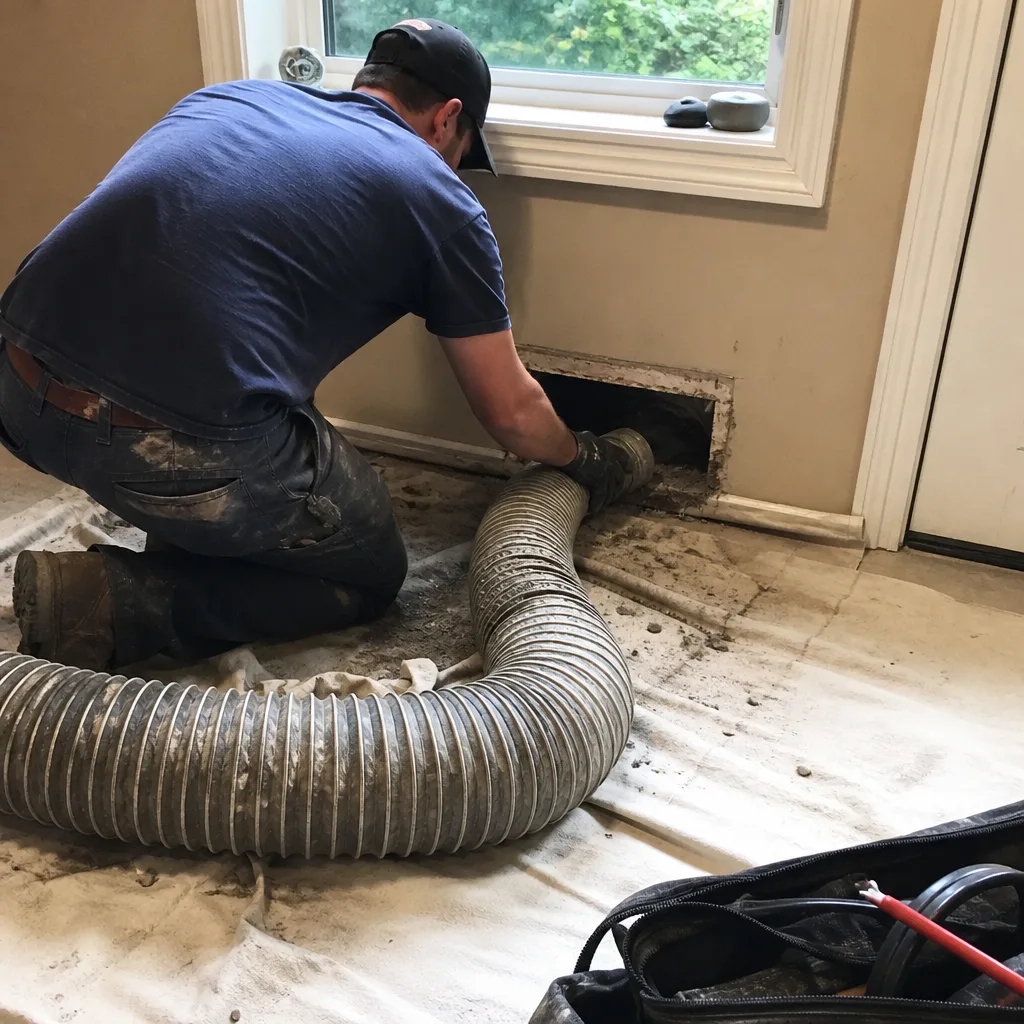 Before
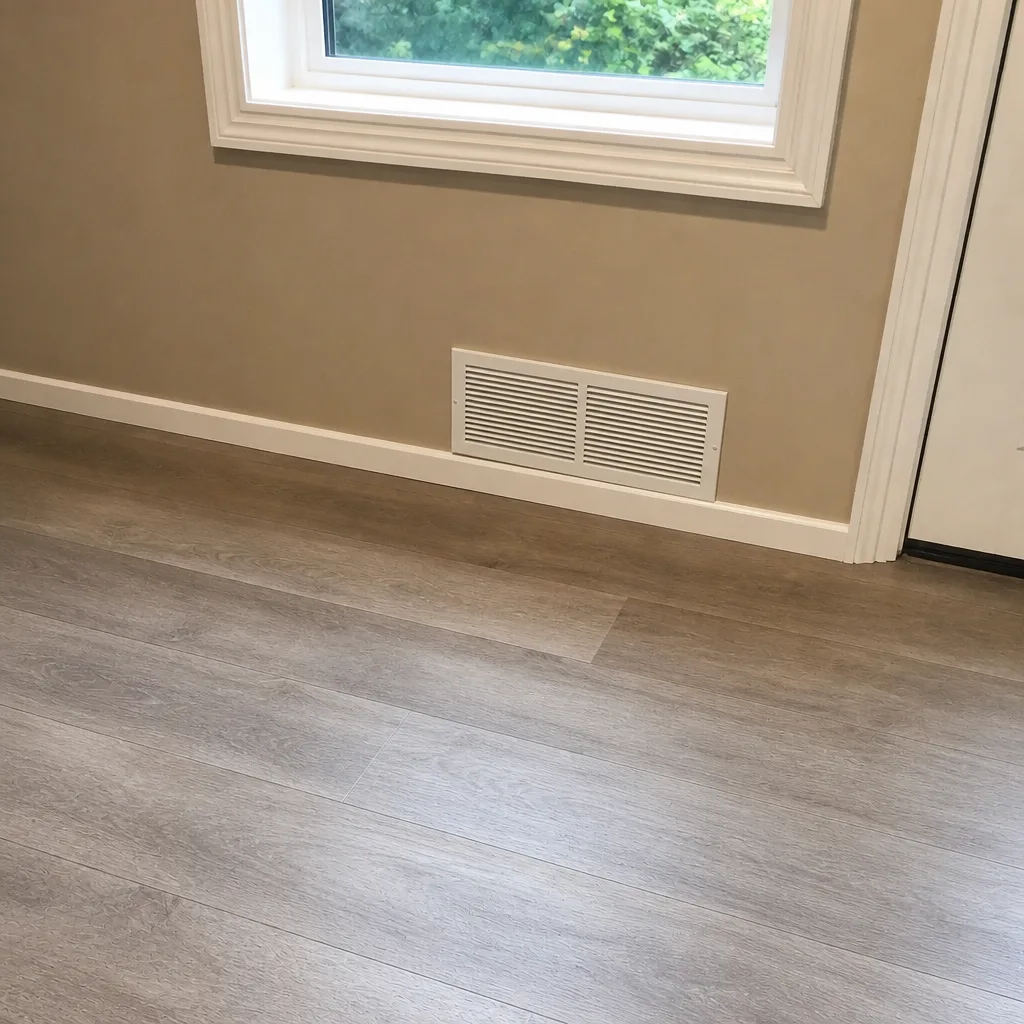 After
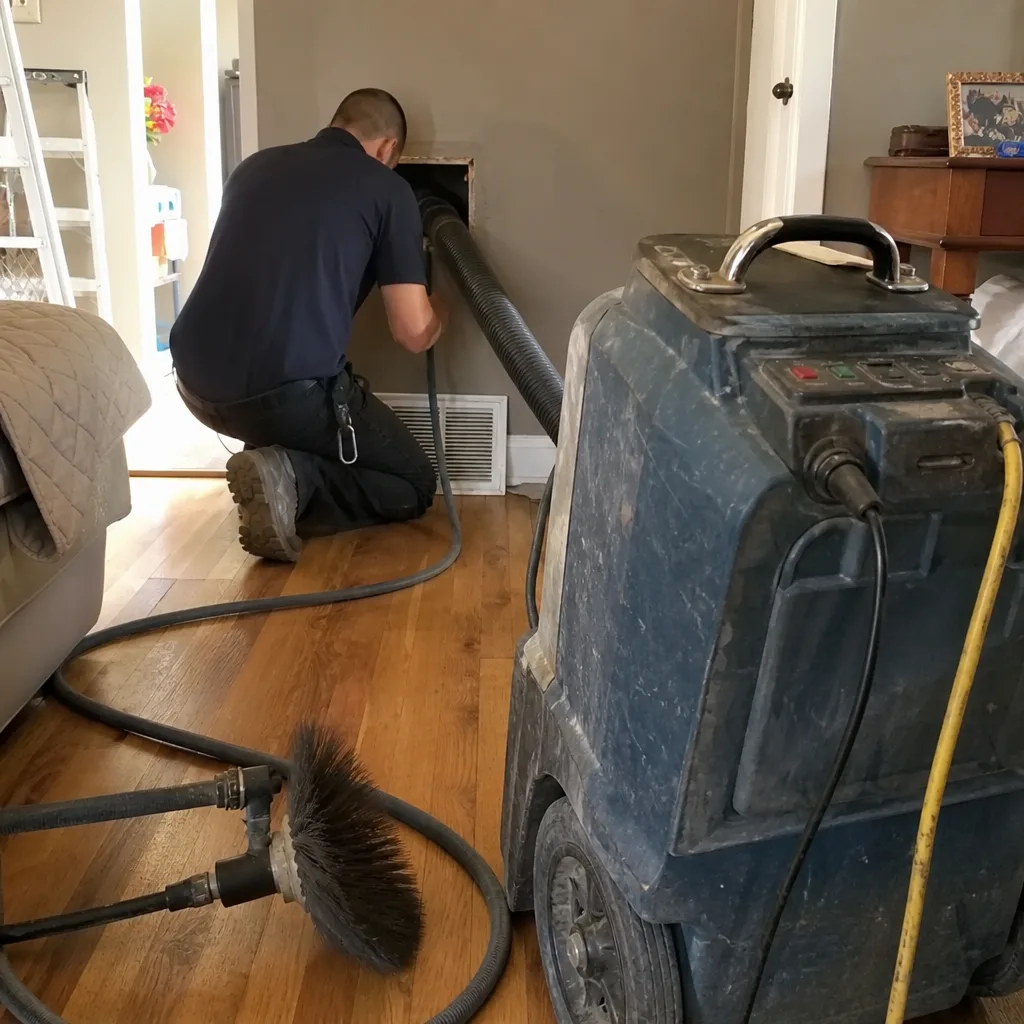 Before
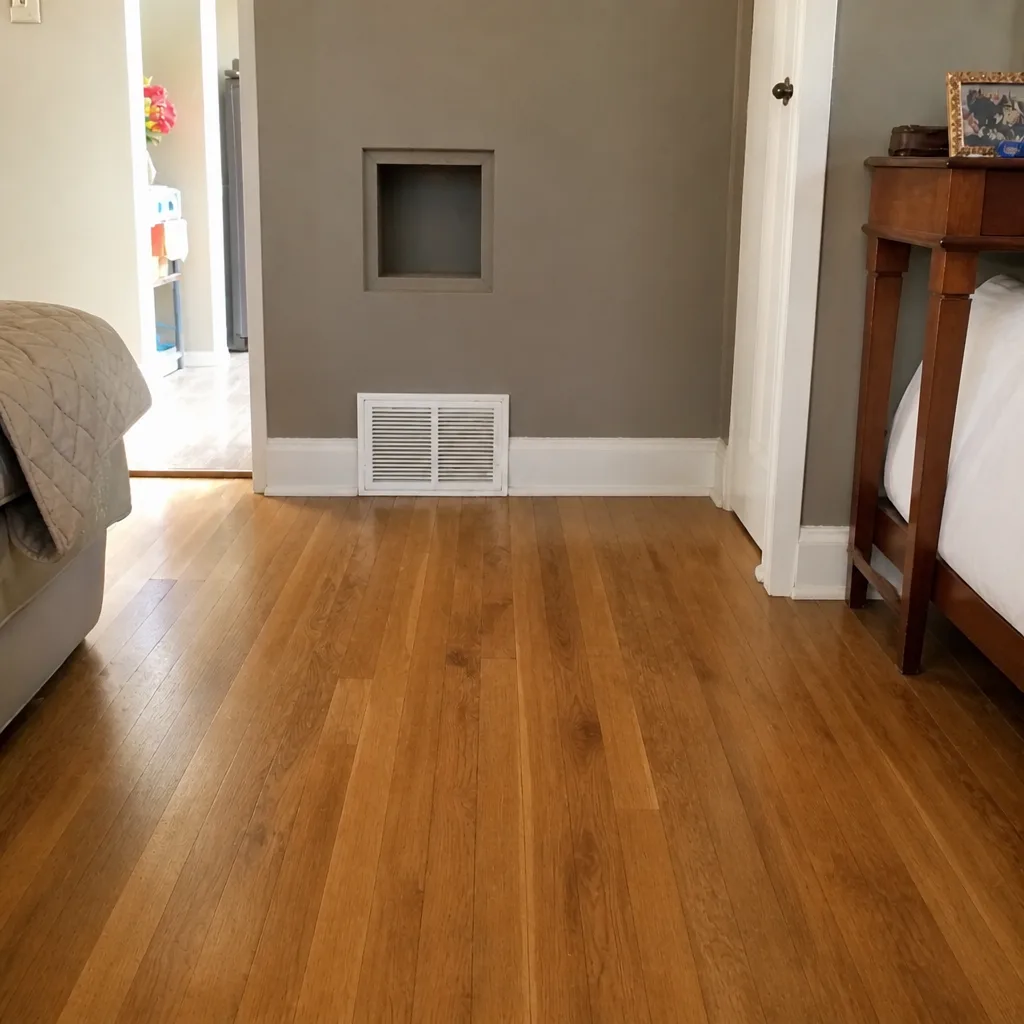 After
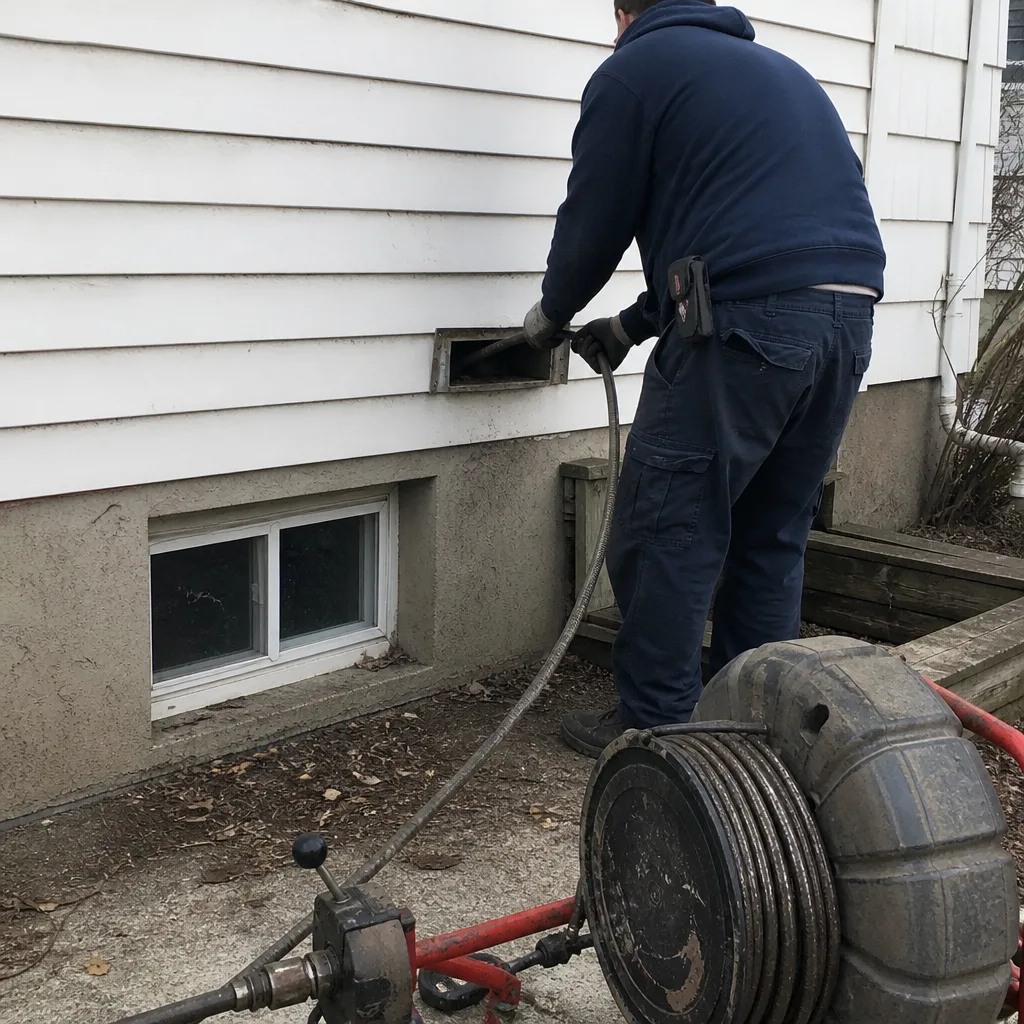 Before
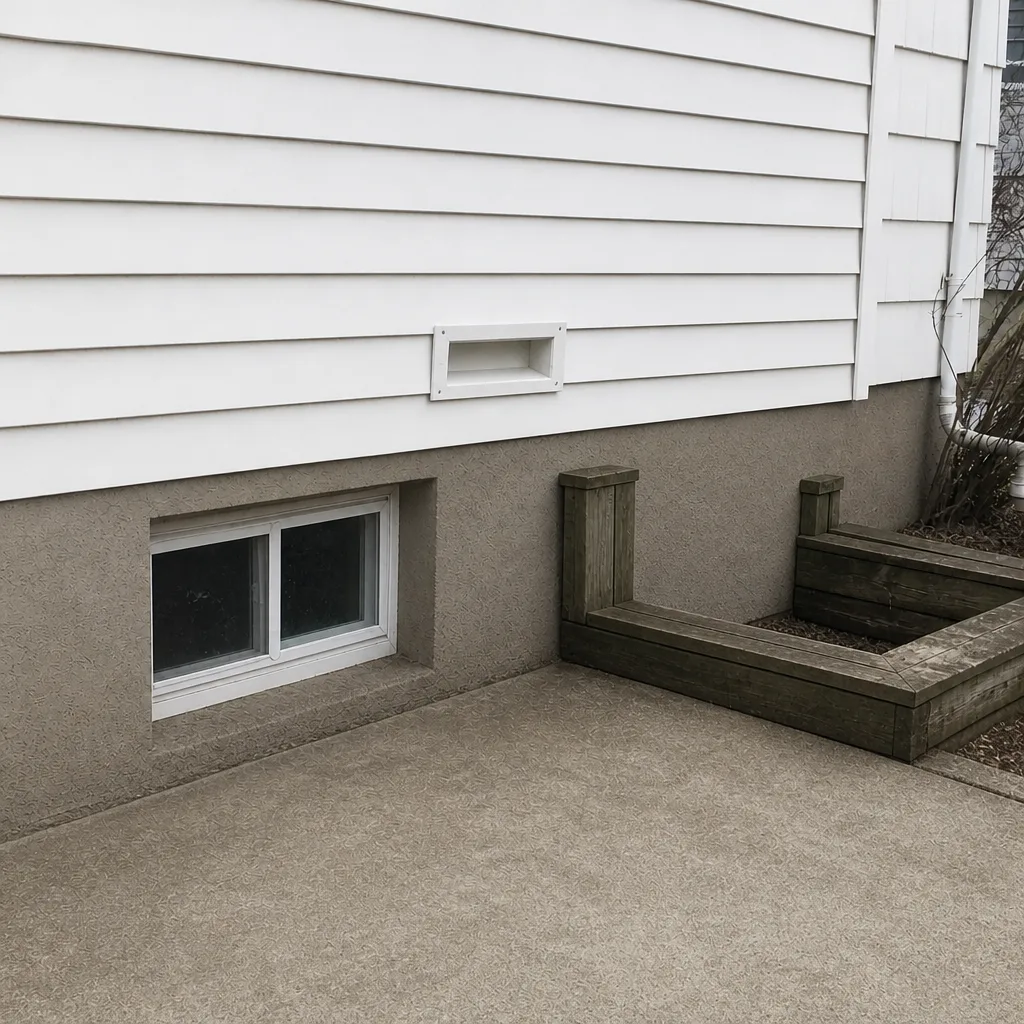 After
When to Call a Professional
Some duct situations are clearly for a professional, and trying to handle them differently usually costs more. Call us if you’re seeing visible debris at registers, musty odors that don’t clear, or a noticeable drop in airflow that doesn’t resolve after a filter change. Call if your ducts have never been cleaned and the property is older – older Gravesend homes often have duct systems that haven’t had a proper source removal. Call if you’re selling a property and don’t have records of past duct work. Call if you’re a landlord managing a two-family or three-family building and need documented maintenance. Call if your dryer is taking two cycles to dry clothes or the vent run is long and hasn’t been cleaned. And call if you suspect past work was altered without a permit – we can help you see what’s there, what needs cleaning, and what needs a licensed repair conversation with a filing. Air Duct Cleaning Gravesend offers free estimates in Gravesend – call (844) 917-3975. We answer 24/7. Fast dispatch from 7am to 7pm, Sunday through Friday.
Frequently Asked Questions
No. Air duct cleaning is classified as maintenance under NYC code, not alteration, so no DOB permit or filing is required. You can have a duct system cleaned fully and legally without any permit involvement. What does require a permit is repair or replacement of duct sections, liner installation, or any work that changes the system’s configuration – those are alteration under NYC Mechanical Code Chapter 6 and need a filing by a licensed contractor. The clearest way to keep the two separate is to ask for cleaning and repair to be quoted as distinct scopes. Call (844) 917-3975 for a free estimate – estimates are free and we’ll walk you through which parts of your job fall into which category.
It depends on what “fixing” means. Sealing a visible joint gap with mastic is maintenance. Replacing a length of flexible duct with rigid duct, cutting out crushed pipe, or installing a new liner is alteration, and that requires a permit pulled by a licensed contractor. The right way to handle it is to separate the cleaning from the repair – cleaning now, with the agreed price, and repair as a separate scope with the permit question addressed before any work begins. A company that treats it all as one unpermitted job is not doing you any favors, especially if you ever sell the property. Call (844) 917-3975 for a free estimate – estimates are free and we’ll explain exactly what’s maintenance and what’s alteration.
The NYC Department of Buildings maintains public property records through the Building Information System (BIS) search. You search by address or by borough, block, and lot, then review the permit history for the property. Look for mechanical or HVAC alteration filings and compare the dates to any duct work you know was done. If work was clearly performed but no matching permit appears, that’s a gap worth raising with your attorney or a licensed contractor – and worth legalizing through a filing if you’re planning to sell. It’s a free search and takes about ten minutes. Call (844) 917-3975 for a free estimate – estimates are free, and we can tell you what’s visibly going on with the system while you sort out the paperwork.
For most single-family and small multi-family homes in Gravesend, no – Local Law 97 targets larger buildings, generally over 25,000 square feet. But its influence on how sealing and efficiency work is documented is real, and larger buildings in the neighborhood do fall under it. For a single-family homeowner, the practical takeaway is that the energy code still applies to permitted alteration work, and sealing leaky ducts remains one of the best efficiency improvements you can make on its own merits. Call (844) 917-3975 for a free estimate – estimates are free and we can walk you through what’s worth doing on your system.
A cleaning specialist can perform mechanical cleaning, sanitizing, dryer vent cleaning, and visual inspection with photographic documentation – none of that requires a master HVAC license or engineer sign-off. What requires a licensed contractor is alteration: replacing duct sections, installing liner, rerouting runs, or changing the mechanical system’s configuration. The contractor’s name and license number appear on the DOB filing; the cleaning specialist’s does not. That’s not a gap, it’s how the work is structured. Call (844) 917-3975 for a free estimate – estimates are free and we’ll tell you if your job needs a licensed repair scope.
For most Gravesend homes, every three to five years is a reasonable interval, and sooner if you’ve had renovation dust, visible debris at registers, or persistent musty odors. Homes with pets, or systems that have never been cleaned, often benefit from a first cleaning followed by a tighter follow-up schedule. The interval that matters most is the one your system tells you through airflow, odor, and dust accumulation. If the ducts have never been cleaned, the first job should be a proper source removal – not a surface pass. Call (844) 917-3975 for a free estimate – estimates are free and we can assess what your system actually needs.
The Bottom Line
Cleaning your ducts in Gravesend doesn’t require a permit. Repairing them might. That’s the whole distinction, and it’s the one most homeowners don’t hear clearly until it becomes a problem at sale. If you keep cleaning and alteration as separate scopes, with the permit question addressed whenever duct sections are being replaced or reconfigured, you avoid the situation where unpermitted HVAC work surfaces during a buyer’s inspection. Check the DOB BIS record before you buy or sell. Treat aerosol sealing as a possible alteration, not a cleaning extra. And when you hire, ask what equipment is being used and ask for before-and-after photos of your own ducts. Professional-grade equipment from Rotobrush and Nikro, containment from Abatement Technologies, and Guardsman sanitizing after cleaning are the difference between a documented job and a cheap pass. If you want a free estimate and a clear scope in Gravesend, call (844) 917-3975. We answer 24/7. Fast dispatch from 7am to 7pm, Sunday through Friday.
Written by the team at Air Duct Cleaning Gravesend.