
Last updated November 22, 2026
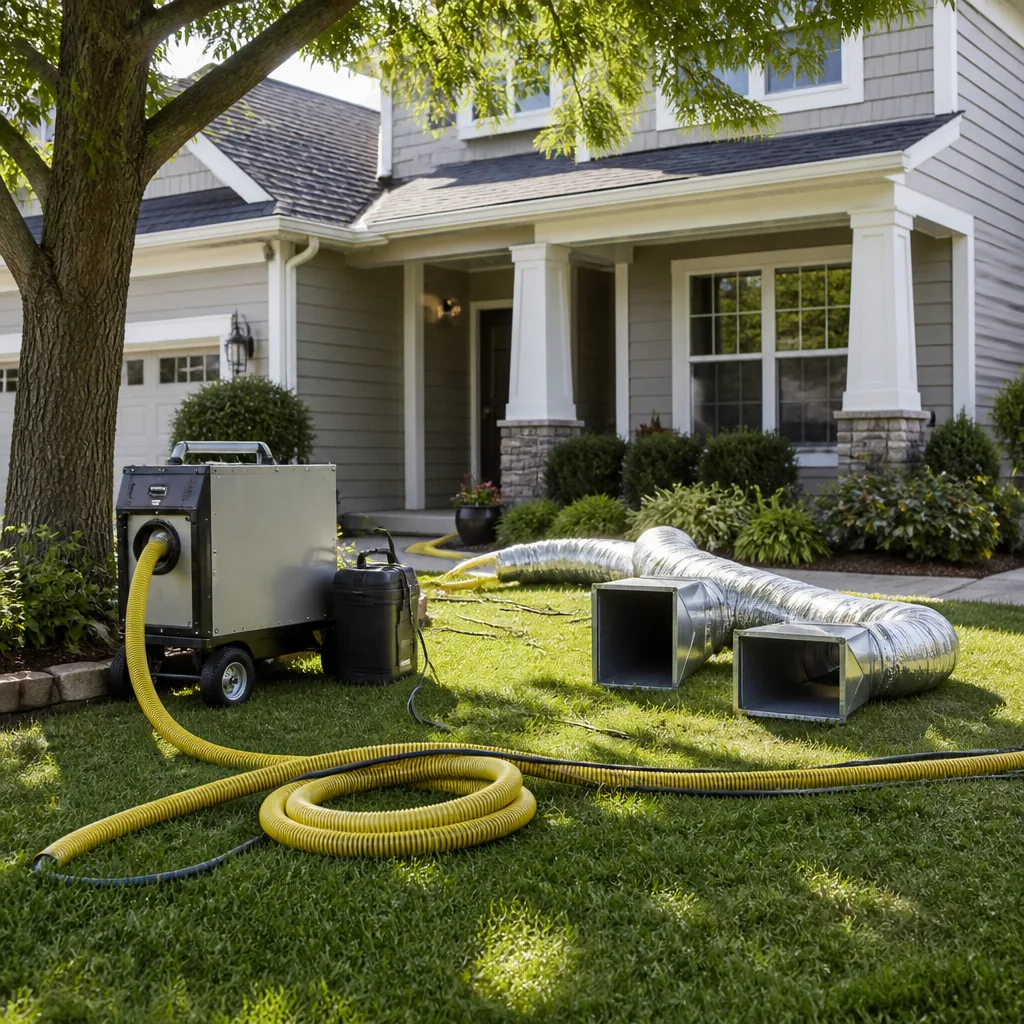 Whole-home duct cleaning
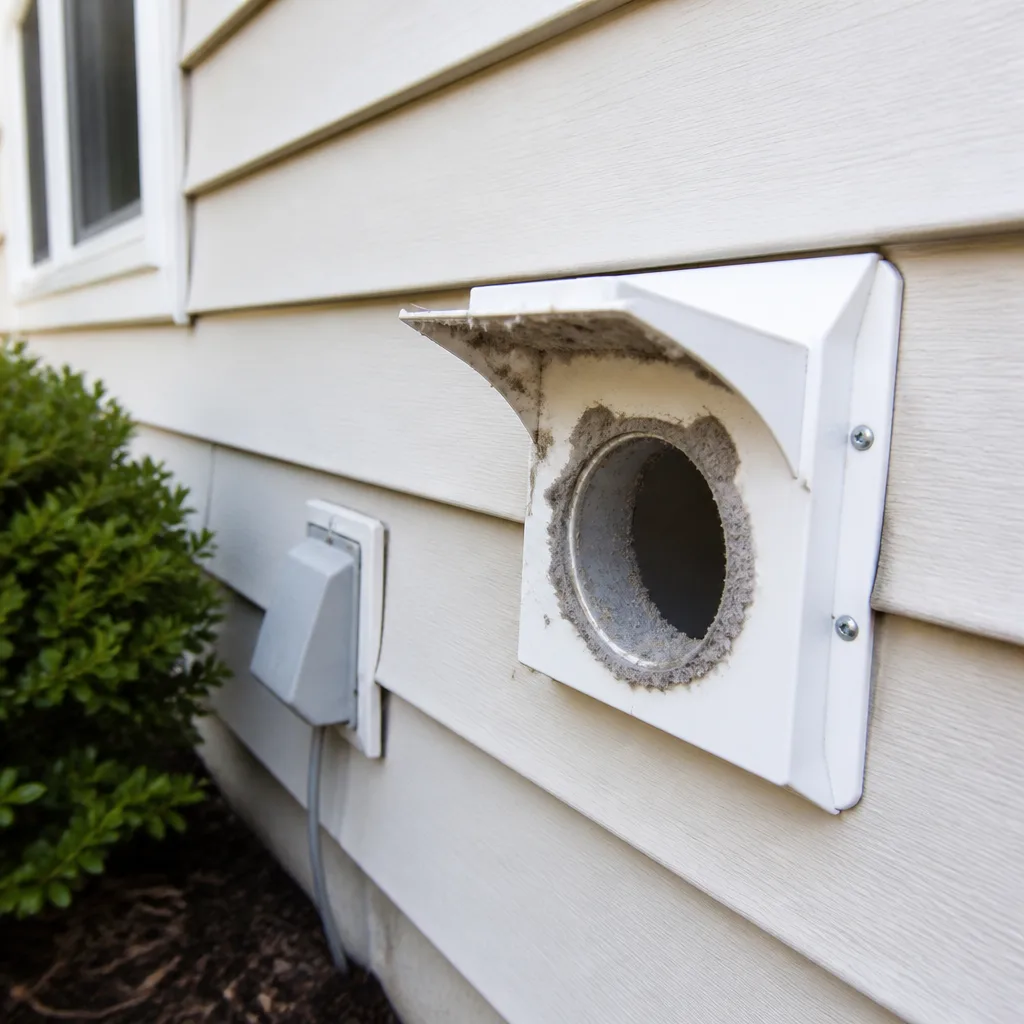 Dryer vent cleaning
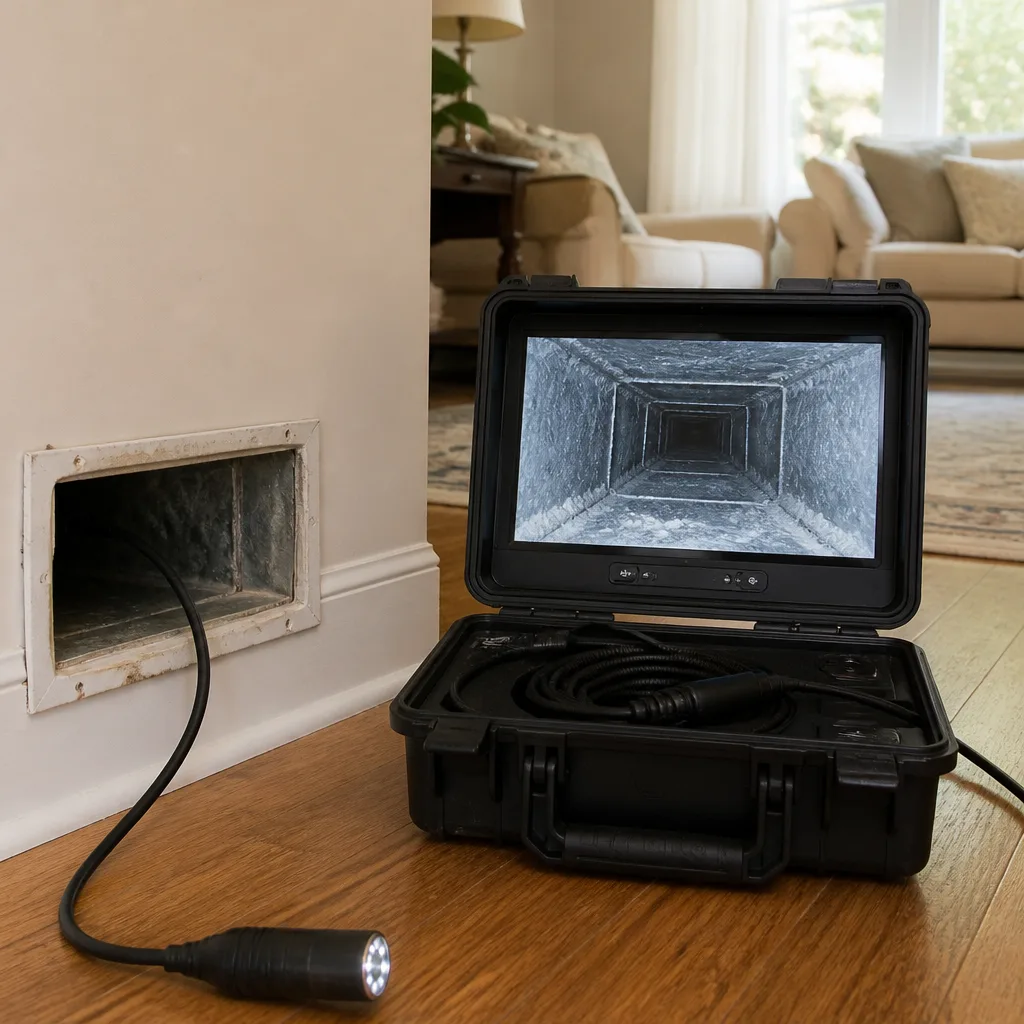 Camera inspection
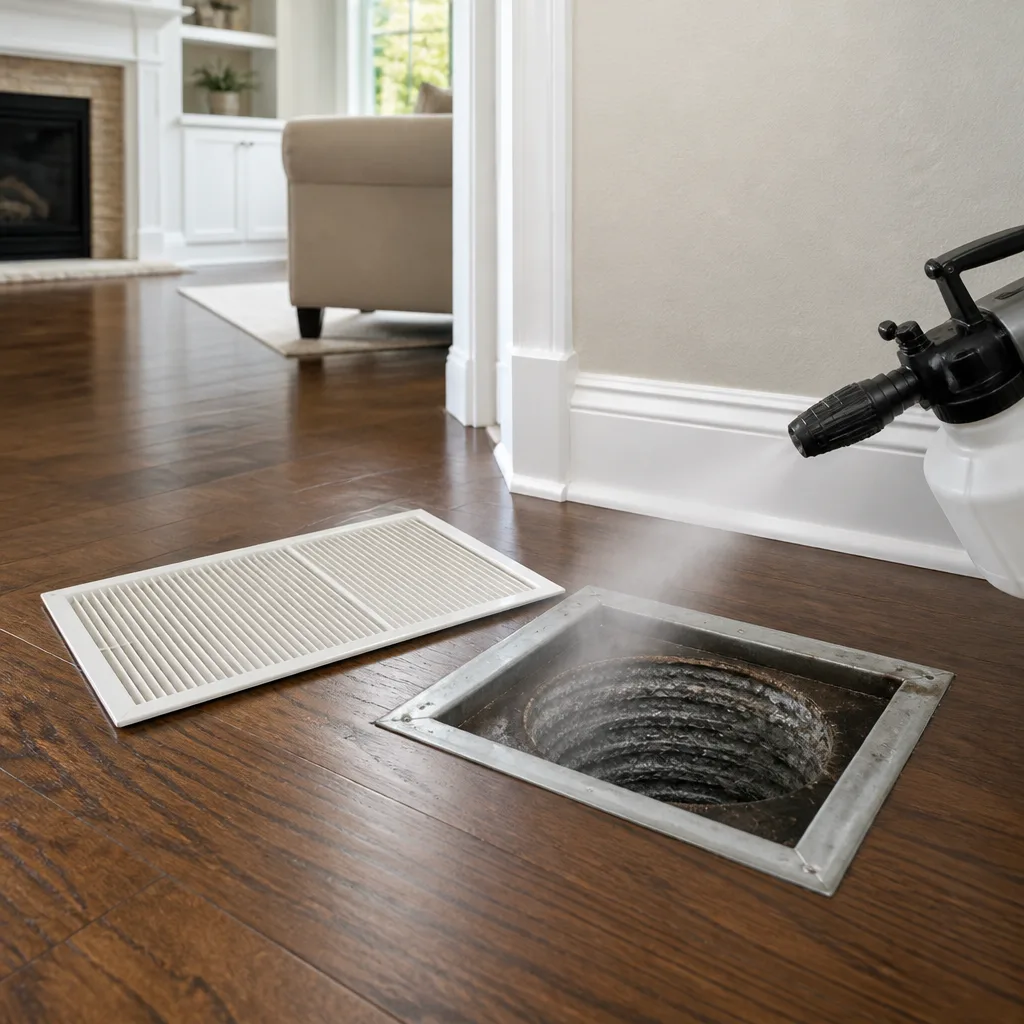 Sanitizing & deodorizing
Whole-system duct and dryer vent check with before-and-after photos - you see exactly what came out of your vents
That "$99 whole-house special" is a bait ad - the real number appears once they are in your hallway, or the "clean" is a shop-vac at the register. We photograph the inside of your ducts before and after instead.
Air Duct Cleaning Cost Breakdown: The Gravesend Homeowner’s Reference for 2026
The $89 duct cleaning quote you found online and the $950 quote from a contractor who shows up with a truck-mounted vacuum aren’t really competitors. They’re selling different things, and treating them as the same purchase is the single most common reason Gravesend homeowners end up paying twice. One is a surface pass with a shop vac and a wand. The other is a mechanical, contained, whole-system job with before-and-after documentation. This reference breaks down what each 2026 price tier in Gravesend actually delivers, line by line, so you can price-match on scope instead of sticker and know exactly what you’re buying before anyone touches your ducts.
Quick Answer
Air duct cleaning in Gravesend typically runs $350 to $800 for a standard whole-home job in 2026, with larger or heavily contaminated systems reaching $1,200 or more once air handler cleaning, sealing and sanitizing are included. Quotes under about $150 are usually per-vent teasers that expand on site, and quotes above $1,500 should come with a written scope that itemizes inspection, negative-air cleaning, air handler work and post-job verification. The written estimate sets the final price, and a legitimate contractor will put that scope in writing before work starts.
Styles & brands we work with
- Whole-home duct cleaning
- Dryer vent cleaning
- Camera inspection
- Sanitizing & deodorizing
Table of Contents
- Per-Vent Pricing vs. Whole-System Flat Pricing: What Each Model Rewards
- Line-by-Line Breakdown of a Full-Service Job
- When Add-Ons Are Legitimate Scope and When They’re Upsells
- How Gravesend’s Housing Stock Shifts the Price
- How to Structure a Quote Request That Forces Apples-to-Apples Comparison
- What You Can Check Yourself and What You Shouldn’t Touch
- Common Mistakes to Avoid
- When to Call a Professional
Per-Vent Pricing vs. Whole-System Flat Pricing: What Each Model Rewards
The pricing model a contractor uses tells you what behavior is being incentivized. That’s the part homeowners rarely think about, and it’s the part that matters most. Per-vent pricing pays the contractor by the register, which means the incentive runs toward a fast pass at each vent and moving on. Whole-system flat pricing pays for the system as a unit, which means the incentive runs toward getting the trunk lines, the plenum and the air handler done in one contained job. They’re not moral categories, just different business models, but they produce very different work.
Here’s the practical difference in a Gravesend home. A typical semi-detached house or two-family in this neighborhood has somewhere between eight and fourteen supply registers and two to four returns. At a per-vent rate of $25 to $40 a vent, that math looks friendly on a flyer. But per-vent pricing rarely includes the return ducts, the plenum, the air handler coil, or the blower compartment. Those are the parts that hold the bulk of the debris. The vents get cleared. The trunk lines don’t. And the homeowner pays separately for whatever the technician finds “needs” cleaning once he’s inside.
Whole-system flat pricing bundles all of it into one number agreed before work starts. The scope covers every supply and return, the trunk lines, the plenum, and the air handler. That’s the model we use, because it aligns what you pay with what needs doing rather than with how many holes are in your floor. A per-vent job can be legitimate if a homeowner genuinely only has a couple of registers, but almost no Gravesend home fits that description.
There’s a third model you’ll encounter: the teaser coupon. A low advertised price, typically under $100, gets a technician to the door, and then the real number appears once he’s looked at the system. That’s not a pricing model, it’s a sales funnel. If a quote arrives as a coupon before anyone has seen your ducts, it hasn’t been priced. It’s been advertised. Ask for a whole-system number in writing and see how the conversation changes.
Line-by-Line Breakdown of a Full-Service Job
A full-service job in Gravesend in 2026 is five stages, and each stage has a market rate range that reflects the equipment and time involved. Contractors quote these differently. Some bundle; some itemize. What matters is that the scope is present, not how it’s presented. Here’s what’s actually in a proper job, with typical ranges.
- Initial inspection and system mapping – $0 to $150. A proper inspection maps every supply and return, checks the air handler, looks for disconnected or crushed flex runs, and photographs the interior of at least one duct. If a contractor skips this and jumps straight to a cleaning price, the price isn’t based on your system.
- Negative-air mechanical cleaning of the duct system – $250 to $550. This is the core of the job and where professional-grade equipment matters. A Rotobrush system with a whip and brush head scrubs the duct walls mechanically while a HEPA-filtered negative-air machine holds the system under vacuum, so dislodged debris goes into a containment unit instead of into your living room. Abatement Technologies containment equipment does the same job at the larger end of the scale. A shop vac and a spinning ball don’t accomplish this, because there’s no negative pressure to capture what gets loosened.
- Air handler and blower cleaning – $100 to $250. The blower wheel, the coil face, and the interior of the air handler cabinet collect a film of dust and, in some systems, biological growth. Cleaning these surfaces matters more than cleaning any single duct run, because the air handler is where the air you breathe actually passes. Some contractors leave this out of a base quote. Ask directly.
- Sanitizing application – $75 to $200. After mechanical debris removal, a sanitizing product is applied to the cleaned interior surfaces. We use Guardsman products for this step. It neutralizes residual mold spores, bacteria, and allergens that mechanical cleaning alone can’t reach, and it’s a separate stage for a reason: sanitizing before debris removal just seals grime in place.
- Post-job verification – $0 to $100. This is a second look inside the ducts after cleaning, backed by before-and-after photographs. If a contractor can’t show you the interior after the job, there’s no way to confirm what happened. Ask for photos of your own ducts, not stock images.
For a Gravesend two-family with fourteen registers and three returns, that stacks into a typical whole-system estimate of $575 to $1,150 depending on system size, duct material, and contamination level. A single-family ranch with nine registers lands closer to $350 to $600. The written estimate sets the final price, and the range should be confirmed on site before any work begins. If your quote comes in much below or much above those ranges, one of two things is happening: either something is missing from the scope, or something has been added to it that your system doesn’t need.
When Add-Ons Are Legitimate Scope and When They’re Upsells
Add-on services are the single hardest part of a duct cleaning quote to evaluate, because a homeowner has no independent way to know whether they’re necessary. The honest answer is that some legitimate systems need them and some don’t, and a contractor who tries to sell a mold remediation on every job is probably selling a scope expansion rather than a service. Here’s how to tell the difference.
Duct repair and sealing
Legitimate when inspection finds disconnected flex runs, crushed or torn duct, or joints that have separated. Those problems let conditioned air escape into a crawl space or wall cavity, which means you’re paying to heat the neighborhood. Sealing these runs is a real fix, and cleaning without sealing means the debris comes back. In older Gravesend housing stock, where ductwork has sometimes been modified or rerouted during remodels, disconnected runs are common enough that we look for them on every job before quoting the seal. This is not an upsell if the inspection found a problem worth fixing.
Not legitimate when the inspection found nothing and the technician is quoting a “preventative” seal on a system with no visible damage. Ask to see the photograph or the finding that justifies it.
Mold remediation
Legitimate when there’s visible microbial growth inside the ductwork or on the air handler surfaces, confirmed by inspection and, ideally, with photographs. Damp systems in tight, poorly ventilated spaces tend to develop this, and sanitizing alone doesn’t fix it if the moisture source remains.
Not legitimate when no growth is visible and the quote is based on “we usually find it.” Ask for the photo. Any remediation without visual confirmation is speculation.
Liner repair or replacement
Legitimate when internal duct liner has delaminated or is shedding fibers into the airstream. Rare, but real, and it can’t be fixed by cleaning.
Not legitimate on a system with intact liner. This is one of the most expensive add-ons and requires photographic evidence to justify. Ask to see it and take the photo away before deciding.
The general rule: any add-on should come with a photograph and a plain explanation of what it fixes. If neither arrives, the add-on is being sold, not recommended.
How Gravesend’s Housing Stock Shifts the Price
Gravesend’s housing stock is not uniform, and duct cleaning pricing that ignores that is pricing from a template. Three broad categories dominate the neighborhood, and each carries a different price profile.
Ranch and low-profile homes
Single-story homes with accessible attic or crawl space ductwork are the simplest jobs. The duct runs are short, the registers are easier to reach, and inspection takes less time. These typically land at the lower end of the range, $350 to $600 for a whole-system job with air handler cleaning. If the duct material is sheet metal with intact joints, the job is straightforward and the price reflects it. If the runs are original flex with sagging or crushed sections, expect the seal to become part of the scope.
Two-family homes
Two-family houses are common in this part of Brooklyn, and they complicate pricing in a specific way: there are usually two separate HVAC systems or one system serving both units through a shared trunk line. Either way, the register count doubles, the air handler count doubles, and the job takes substantially longer. A full-service job on a two-family typically runs $700 to $1,200. If the units share a system, the return ductwork is often more extensive, which adds to the cleaning time. We quote these by system count rather than by unit count, because that’s what actually determines the work.
Older semi-detached and pre-war homes
The oldest housing in Gravesend, the semi-detached and pre-war stock, tends to have the most complicated ductwork. Ducts may run through interior walls with limited access points. Original ductwork may have been modified or extended over the years, which can leave disconnected runs and poorly sealed joints. Some of these homes have converted from radiators to forced air at some point, and the duct layout reflects it. These jobs often require the most inspection time and frequently add sealing to the scope. Expect $600 to $1,100 or more once repair and sealing are included, because the root cause of contamination in these homes is usually air leakage, and cleaning alone doesn’t fix that.
Gravesend’s dense housing also means neighbors’ ductwork and yours are close together, and running a negative-air machine in a semi-detached home requires attention to containment. Abatement Technologies equipment is used here for exactly that reason: it keeps the debris inside the machine rather than drifting into the neighboring unit. If a contractor doesn’t mention containment, that’s a scope gap worth asking about.
How to Structure a Quote Request That Forces Apples-to-Apples Comparison
Most homeowners collect three quotes and compare the bottom line. That comparison is meaningless, because the three quotes probably cover different scopes. What you want is a quote request structured so that every contractor is answering the same question. Here’s how to build one.
- State the housing type and register count. “Two-family home, fourteen supply registers, three returns, two air handlers.” That single sentence forces each contractor to price the same system rather than a hypothetical average home.
- Ask for a written scope, itemized by stage. Request inspection, mechanical cleaning, air handler cleaning, sanitizing, and post-job verification as separate line items. If a contractor can only give a single bundled number, that’s a signal, not necessarily a dealbreaker, but ask them to break it out anyway.
- Require before-and-after photographs of your own system. Not stock photos, not a brochure gallery. Photos of your ducts. If a contractor won’t agree to this in writing before the job, that’s the strongest single filter you can apply.
- Ask what equipment will be used. “What kind of system?” is enough to separate serious contractors from the rest. Rotobrush and Nikro are professional-grade systems used by HVAC contractors, and a contractor who names them is speaking a specific language. A contractor who says “a big vacuum” is telling you something too.
- Ask what’s excluded. Every quote has exclusions, and a contractor who names them is being straight with you. Ask specifically whether return ducts, the plenum, the air handler coil, and the blower wheel are included.
- Confirm the final price mechanism in writing. The written estimate should set the final price, not a starting point for on-site adjustments. If a quote is $299 and the technician can change it once he’s inside, it isn’t a quote.
- Ask about sealing and repair pricing separately. Even if you don’t expect to need it, get the price in advance. Contractors who price add-ons only on-site have an incentive to find them.
A well-structured request of this kind makes the comparison trivial, because three honest quotes will land in a similar range and any outlier is instantly visible. We’d rather you did this with every contractor you call, including us, than get burned by a scope mismatch and pay twice.
What You Can Check Yourself and What You Shouldn’t Touch
Some inspection work is safe for a homeowner and some isn’t. The safe part is visual and non-invasive. The unsafe part involves opening the system and getting your hands into moving parts or wiring, and that’s where the line sits.
What you can safely do before calling anyone:
- Look at each supply register and note whether dust is visible on the grille or around the edges.
- Check the return grilles and note whether the filter is clean and correctly seated.
- Look at the air handler cabinet (without opening it) for signs of moisture, rust, or dust around the seams.
- Note any musty odor when the system runs, and where in the house it’s strongest.
- Check the dryer vent exterior flapper to confirm it opens freely when the dryer runs.
- Photograph anything that concerns you, so you have it when you call.
What you should not do yourself: open the air handler cabinet, remove the blower assembly, get near the coil fins, work inside duct runs, or attempt any repair near electrical connections or the furnace. The blower, the coil and the control board are live components with moving parts and electrical connections, and the skill required to work on them safely is the reason a contractor is worth hiring. If your system has a musty odor that persists after a filter change, or if the air handler shows signs of moisture, that’s a trained-professional job, not a maintenance task. We’d rather you stayed out of the cabinet and called.
Common Mistakes to Avoid
- Comparing a per-vent coupon to a whole-system quote. They describe different scopes entirely, and the difference in sticker price tells you nothing useful. Ask what’s included in each before comparing the totals.
- Accepting a price over the phone without an inspection. A quote given before anyone has seen your ducts isn’t based on your system. In Gravesend’s varied housing stock, a ranch and a pre-war semi-detached with a modified system can cost twice as much to service.
- Not asking whether return ducts and the air handler are included. A base price that covers supply registers only leaves out the parts of the system that hold the bulk of the debris. Ask specifically.
- Assuming “sanitizing” is a cleaning step. It’s a separate stage applied after mechanical debris removal. A quote that offers sanitizing without cleaning first is offering to seal grime in place.
- Ignoring the dryer vent. It’s a separate system with its own fire risk, and it’s routinely left out of duct cleaning quotes. Ask whether your quote includes it. Many don’t, and dryer vent cleaning is a short, distinct job with its own value.
- Not requiring before-and-after photos. Without them, there’s no way to verify the work. A contractor confident in the work will offer the photos without being asked.
- Choosing the cheapest quote on the assumption that all duct cleaning is the same. It isn’t, and the gap between an $89 pass and a $600 contained mechanical job is not a discount. It’s a different service with a different result.
See the difference
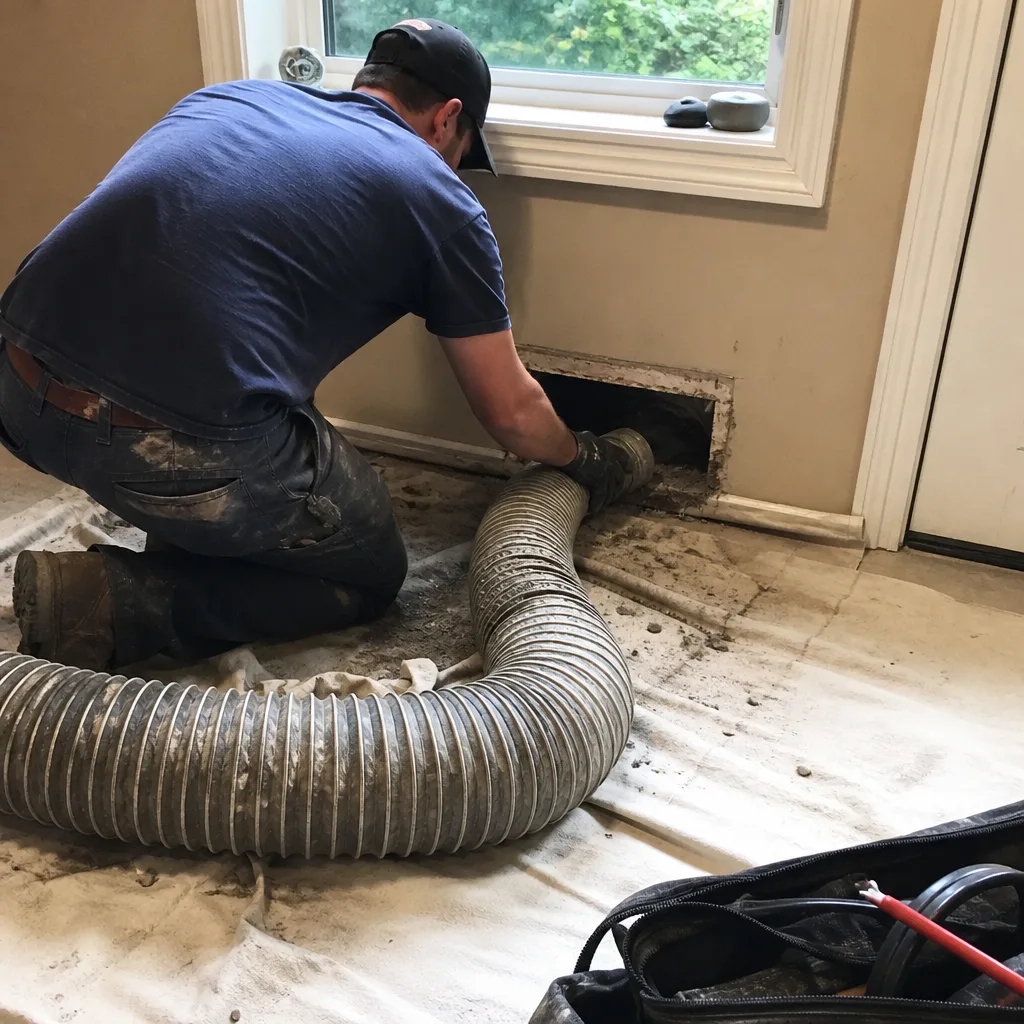 Before
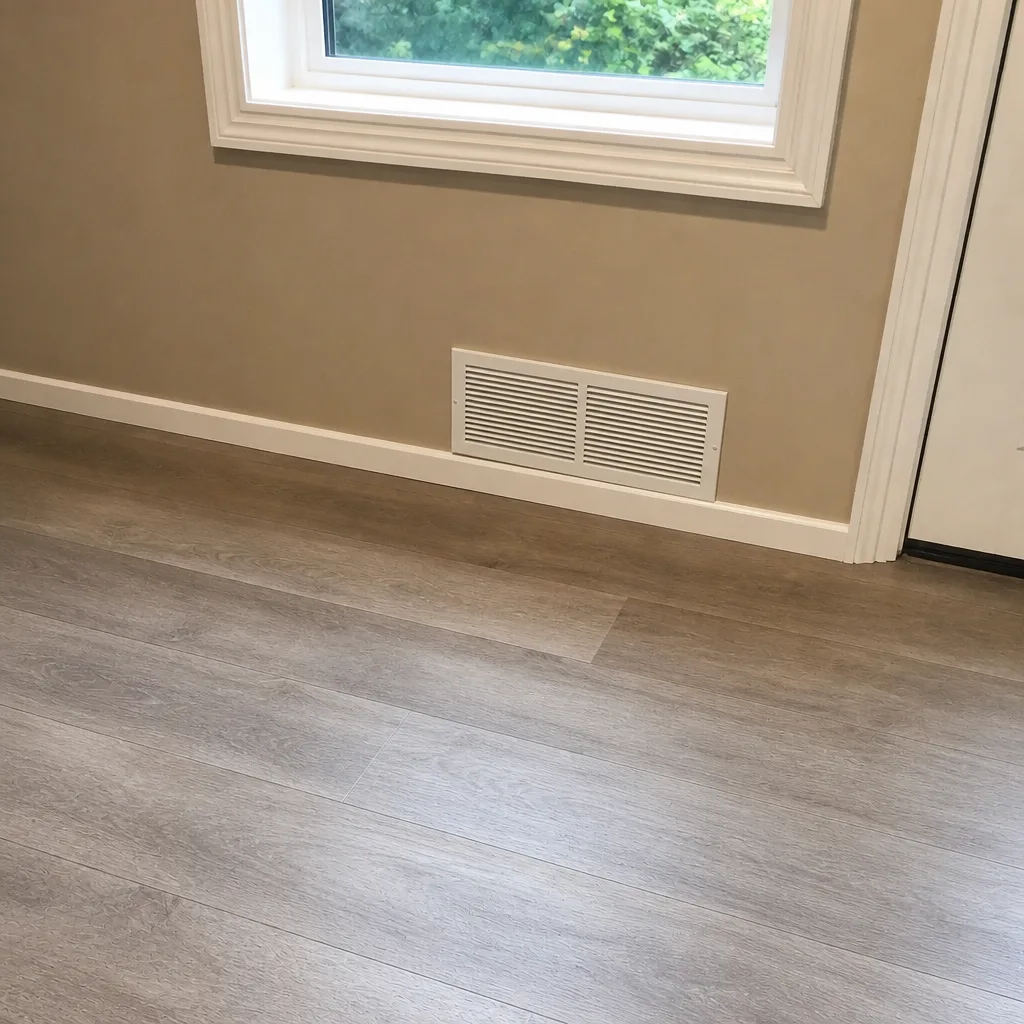 After
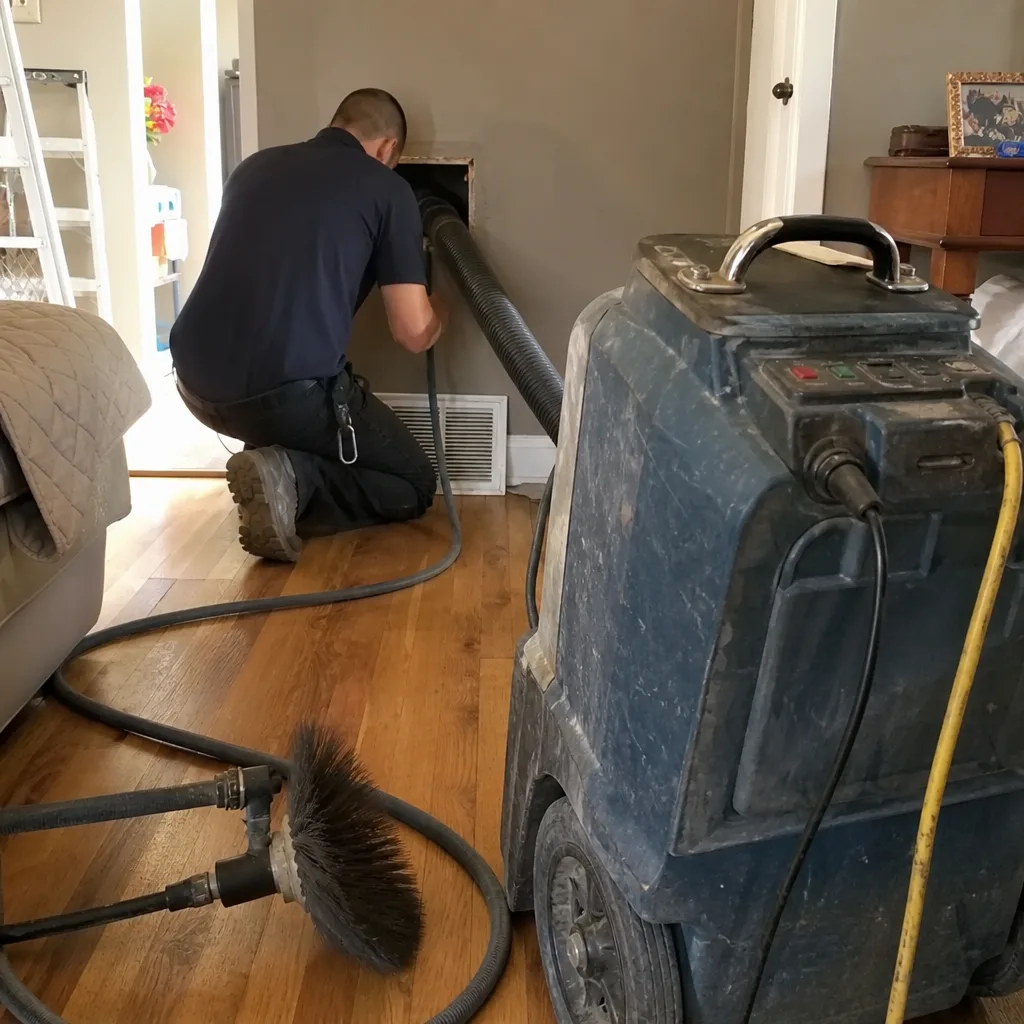 Before
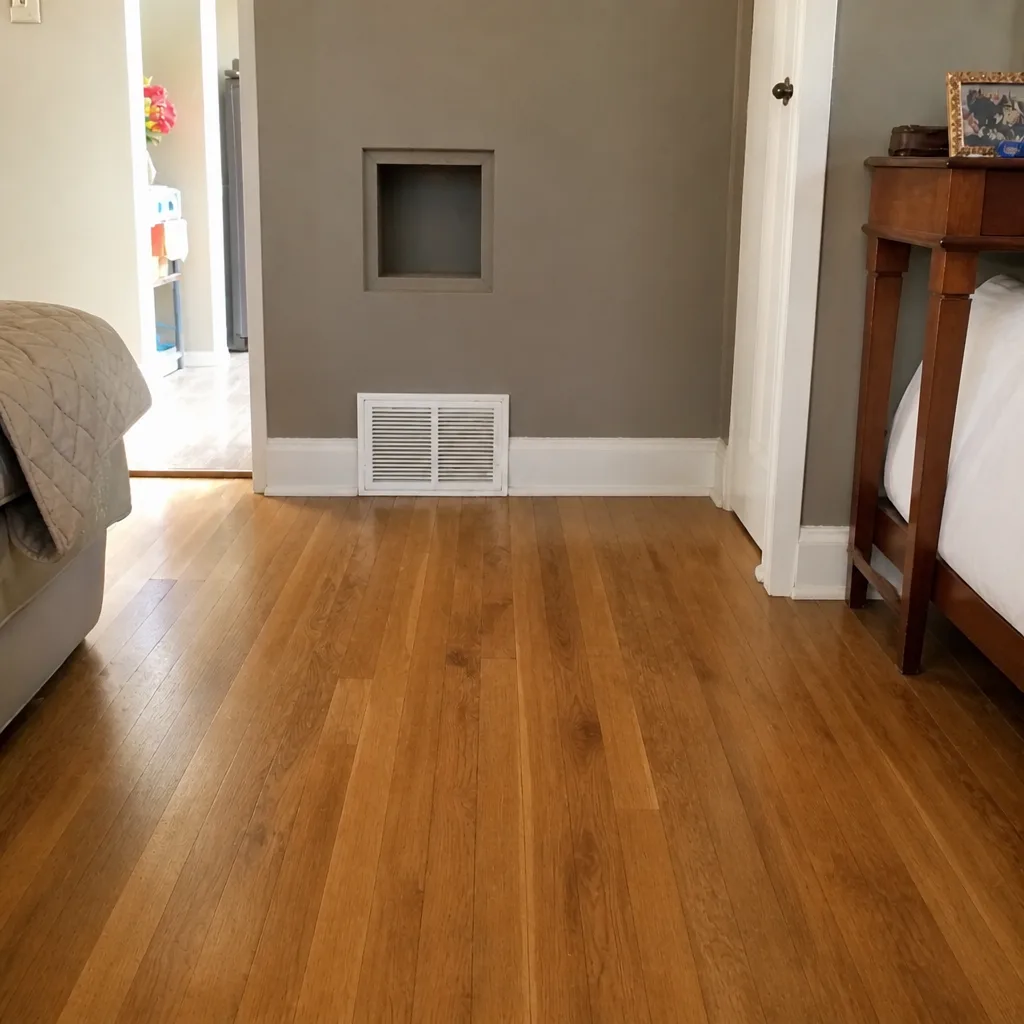 After
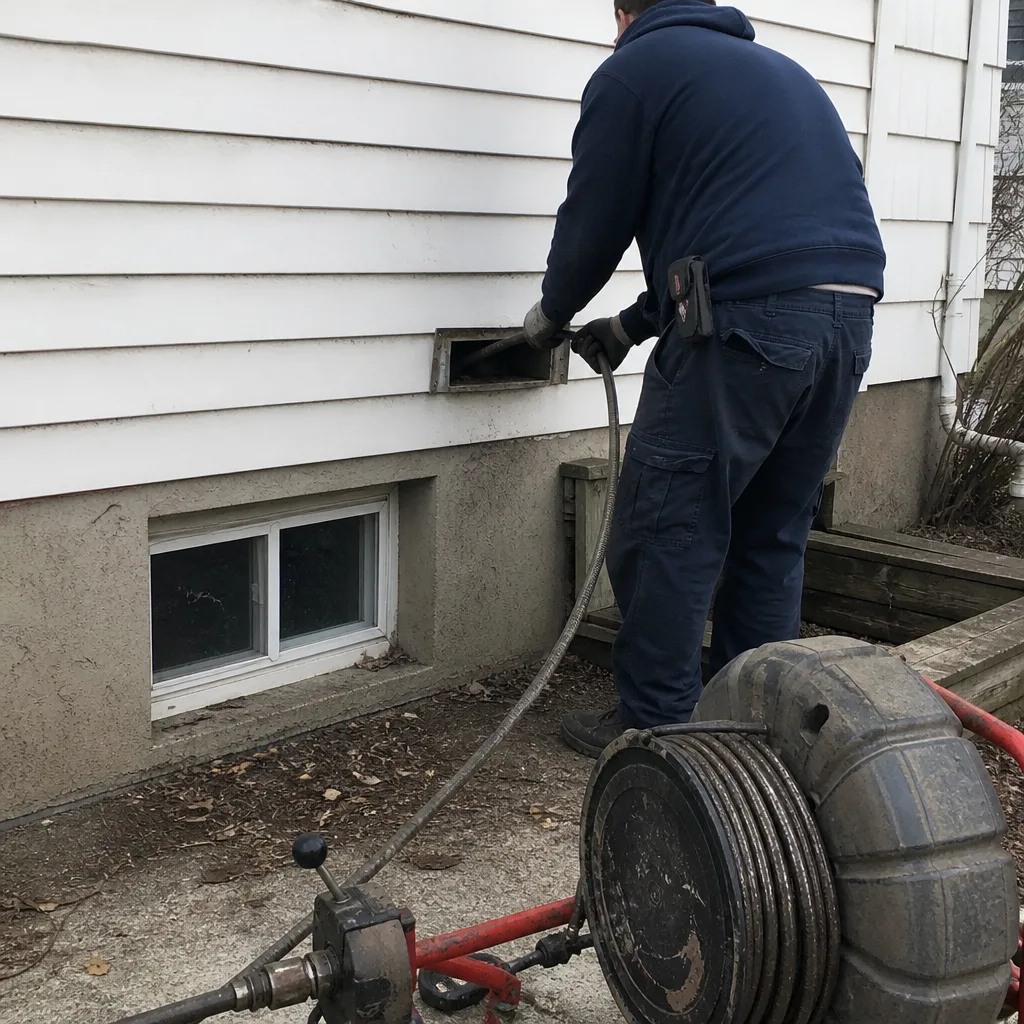 Before
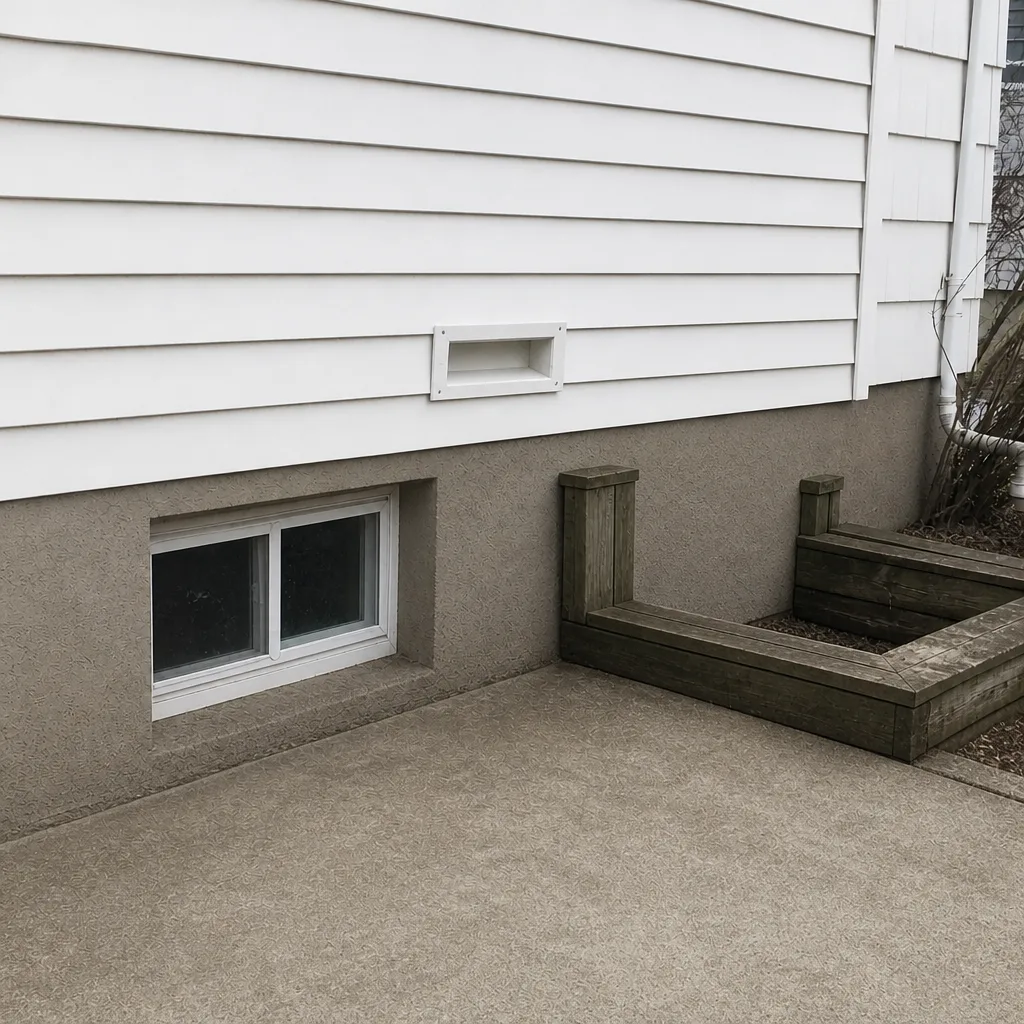 After
When to Call a Professional
Call a professional when you’re seeing dust settling on surfaces faster than a filter change can account for, when there’s a musty odor coming from the registers when the system runs, or when someone in the household has allergic symptoms that worsen indoors. Call when your energy bills climb without an explanation. Call if the dryer is taking longer than it used to and the exterior vent flapper looks clogged. And call if your system hasn’t been cleaned in a long while and you don’t have a record of it ever being done, especially in a home you’ve recently bought. Our full scope covers air duct cleaning, HVAC component cleaning, repair and sealing, and sanitizing, all of which we can quote together. Air Duct Cleaning Gravesend offers free estimates in Gravesend. Call (844) 917-3975. We answer 24/7. Fast dispatch from 7am to 7pm, Sunday through Friday.
Frequently Asked Questions
A whole-system job in Gravesend typically costs $350 to $800, reaching $1,200 or more for larger two-family homes or heavily contaminated systems with sealing and sanitizing included. Quotes under about $150 are per-vent teasers that usually expand on site once the technician sees the system. Call (844) 917-3975 for your exact quote. Estimates are free.
Because they’re quoting different scopes, not because one contractor is cheaper than another for the same job. A $99 quote often covers only a surface pass at the supply registers and leaves out return ducts, the plenum, the air handler and the blower. A whole-system quote covers all of those plus containment and post-job verification, which is why the number is larger. Ask what’s excluded before you compare totals. Call (844) 917-3975 for a scope quote you can compare line by line.
Before-and-after photographs of your own ducts are the only reliable way. A professional-grade cleaning job held under negative pressure with HEPA filtration produces photos that show interior duct surfaces clean and reassembled. Ask any contractor to commit to photos before the job starts, and compare the after photo to the register count you requested in the scope. Call (844) 917-3975 to see how we structure ours. Estimates are free.
There’s no universal schedule, and the honest answer is that it depends on the system and the home rather than on a fixed number of years. Homes with pets, recent renovations, moisture issues, or visible dust problems generally need more frequent service. Homes with clean systems and well-maintained filters can go longer. The practical test is whether the ducts show visible debris or the air quality has changed. Call (844) 917-3975 and we’ll give you an honest read on your system. Estimates are free.
Yes, because the work is different. A ranch with accessible ductwork under an attic or crawl space has shorter runs and fewer registers, which usually puts it at the lower end of the range. A two-family has more registers, more returns, often two systems, and more time required for inspection and containment. Whole-system pricing reflects the system, which is why a two-family quote is typically well above a ranch quote in the same neighborhood. Call (844) 917-3975 to price your specific home. Estimates are free.
It’s worth it when inspection finds a real problem: disconnected runs, crushed flex, or separated joints. Those let conditioned air escape and let contamination back in, so cleaning without sealing means the problem returns. It is not worth it when the inspection finds nothing, and a contractor who quotes it without a photograph to justify it is selling rather than recommending. Our HVAC cleaning scope can include sealing when it’s warranted. Call (844) 917-3975 to have your system inspected. Estimates are free.
The Bottom Line
Duct cleaning pricing in Gravesend in 2026 ranges from under $100 to over $1,200, and the range isn’t a marketing spread. It’s a reflection of scope. A whole-system job done right – inspection, contained mechanical cleaning with professional-grade equipment, air handler and blower work, sanitizing, and photographic verification – lands in the $350 to $1,200 range depending on your housing type. Anything below that leaves out stages. Anything above it needs a written justification. Price-match on scope, require photos, ask what’s excluded, and get the final price in writing before anyone starts. That’s the whole method. We’d rather you use it on every quote you get, including ours, than end up paying twice for a system that was only half cleaned the first time.
To see how our process works end to end, start with Air Duct Cleaning Gravesend, and call (844) 917-3975 for a free estimate. We answer 24/7. Fast dispatch from 7am to 7pm, Sunday through Friday. Our technicians have up to 13 years of experience, and we use professional-grade Rotobrush, Nikro and Abatement Technologies equipment, with Guardsman products for sanitizing.
Written by the team at Air Duct Cleaning Gravesend.