
Last updated November 22, 2026
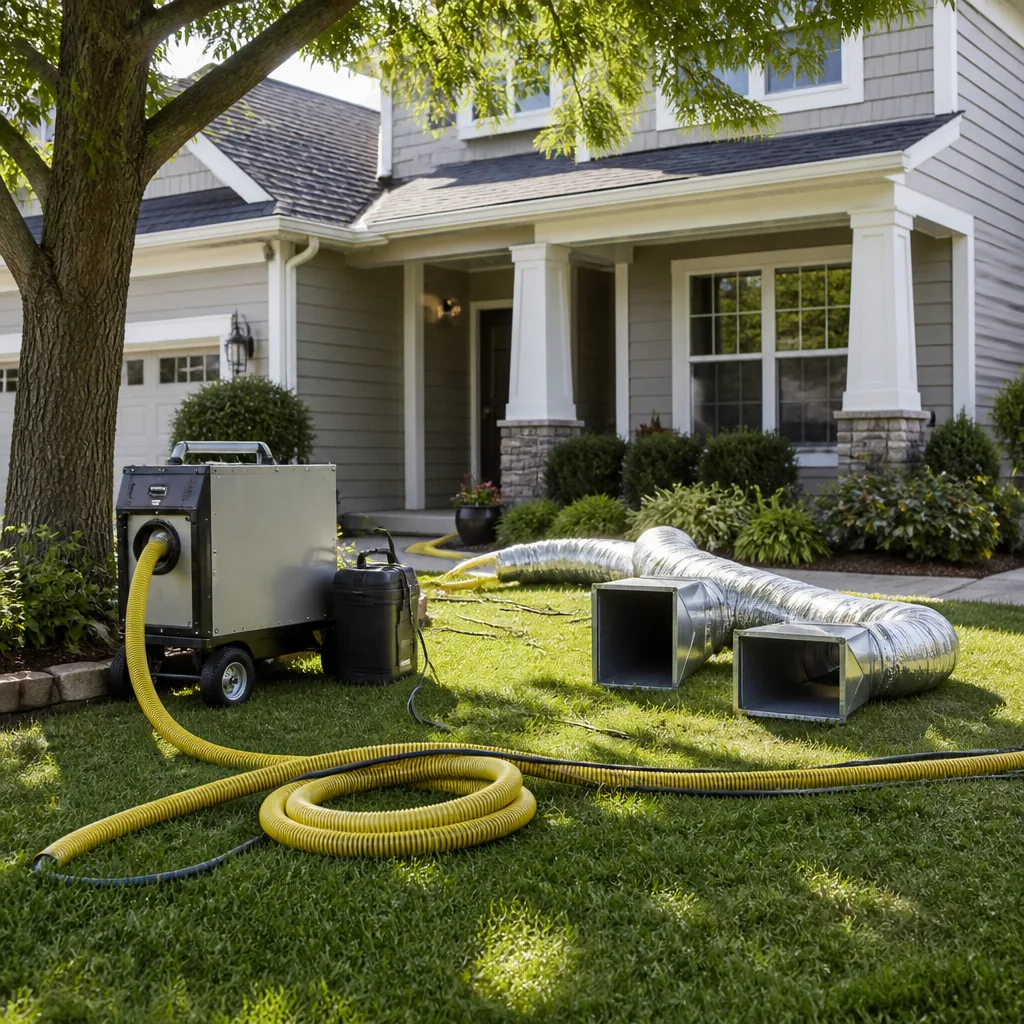 Whole-home duct cleaning
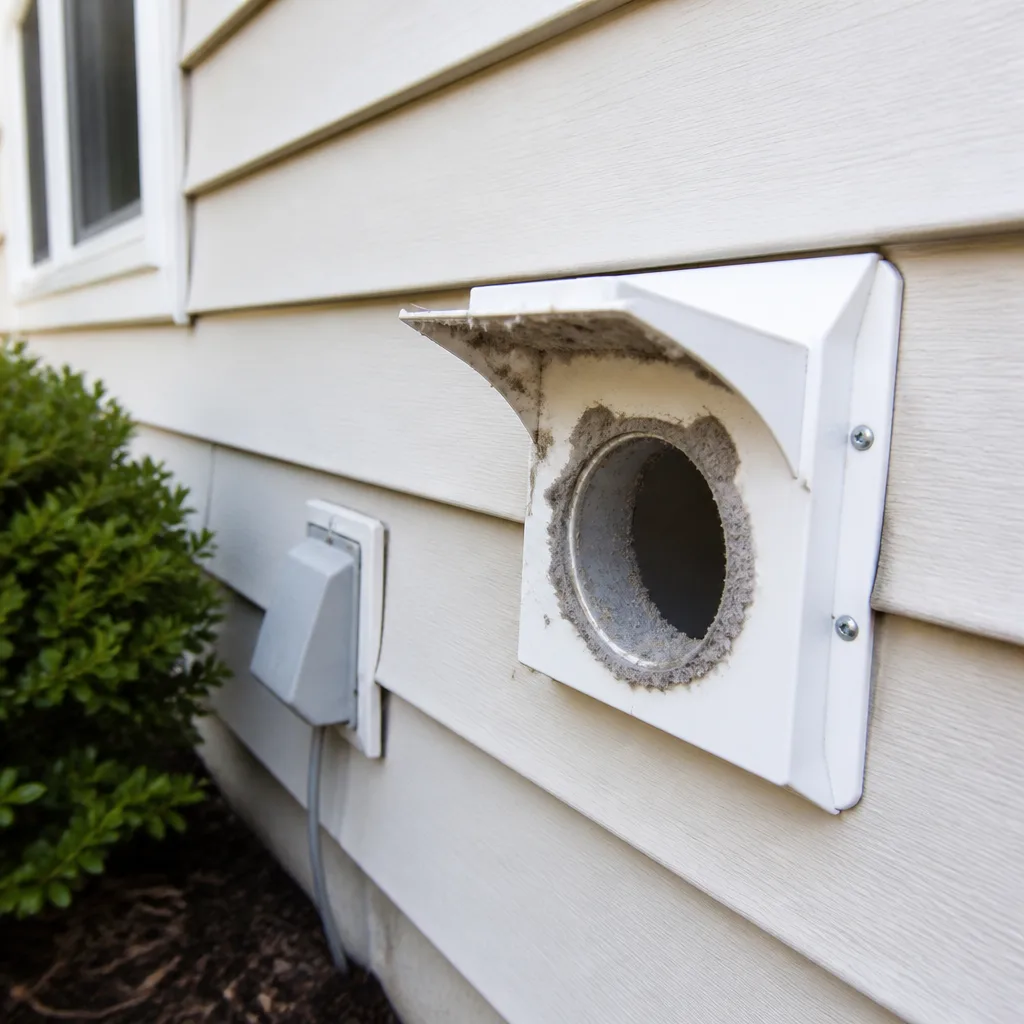 Dryer vent cleaning
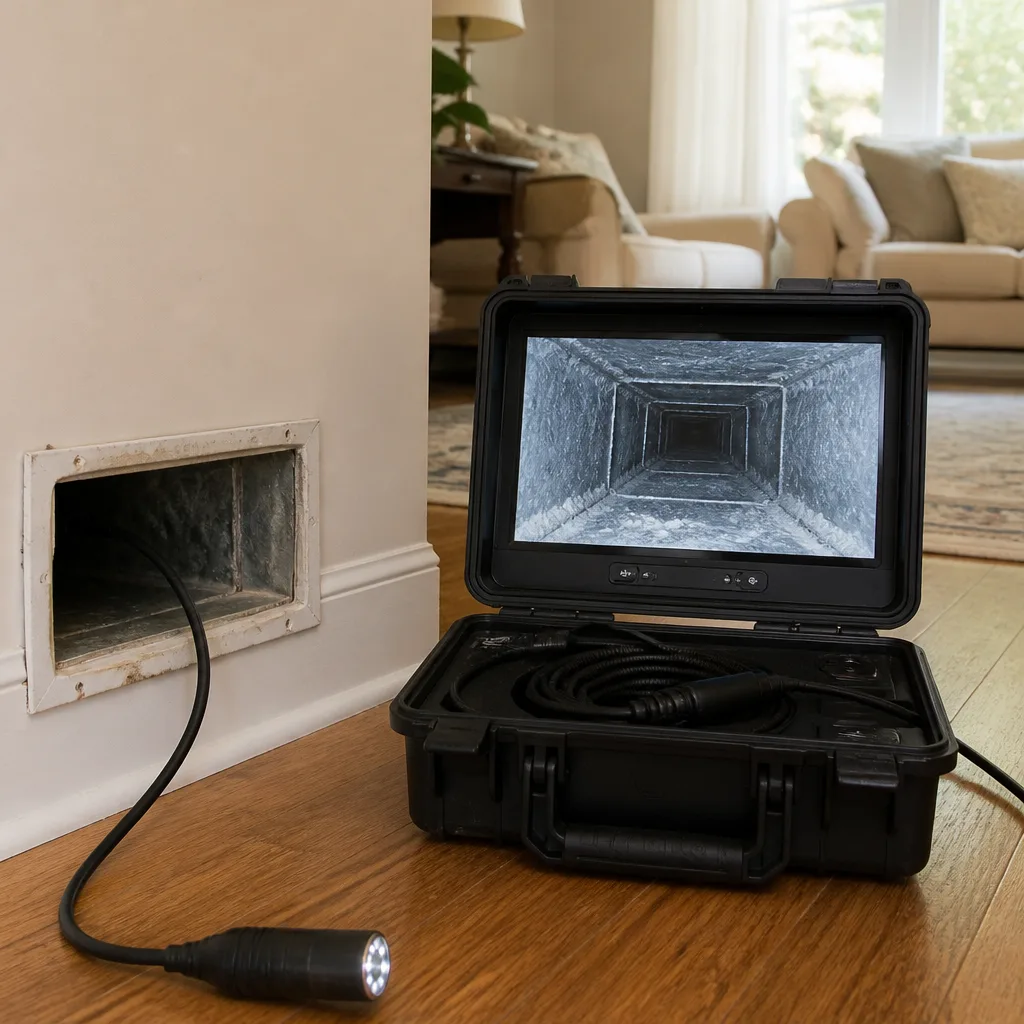 Camera inspection
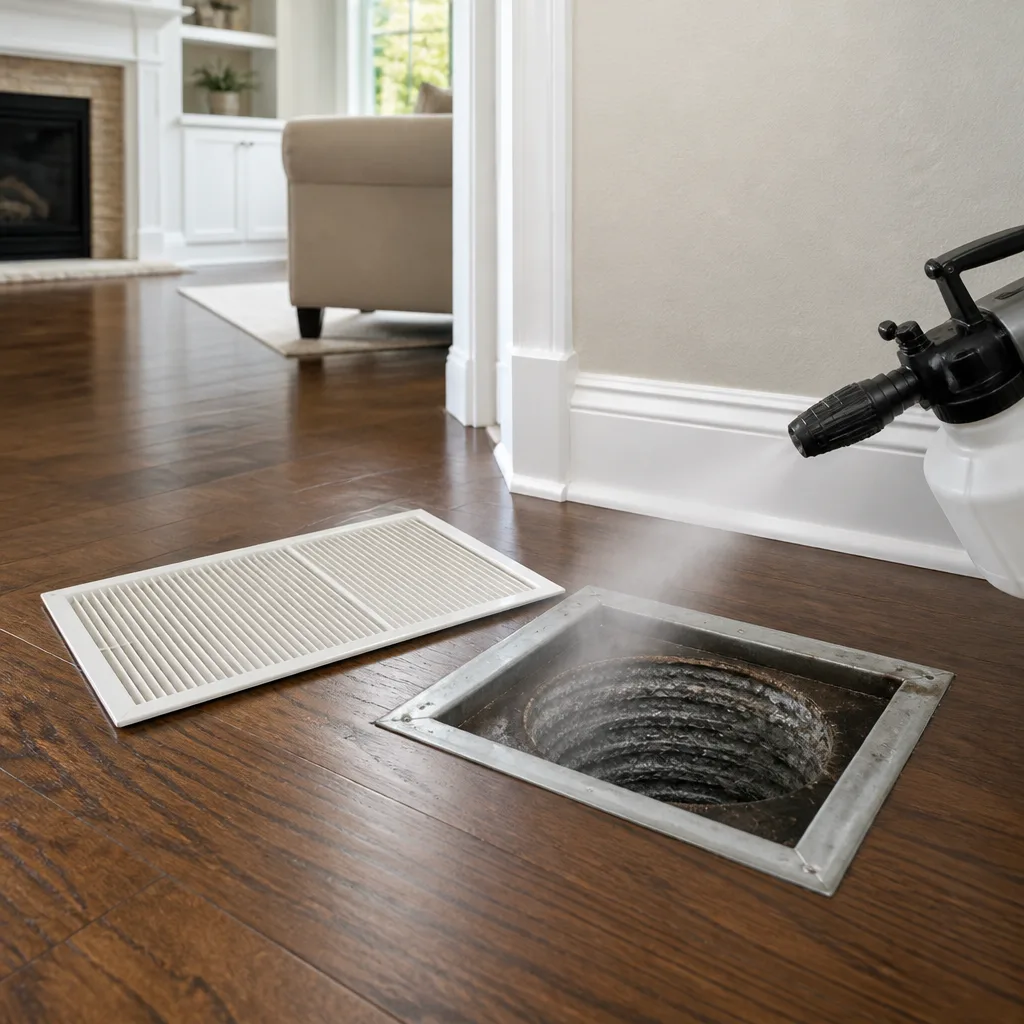 Sanitizing & deodorizing
Whole-system duct and dryer vent check with before-and-after photos - you see exactly what came out of your vents
That "$99 whole-house special" is a bait ad - the real number appears once they are in your hallway, or the "clean" is a shop-vac at the register. We photograph the inside of your ducts before and after instead.
DIY vs Professional Air Duct Cleaning: The Gravesend Homeowner’s Decision Guide
Most homeowners treat duct cleaning as a single decision: pay someone or do it yourself. That framing is where the money and the risk both go wrong. A homeowner with a shop vac, a register brush, and a free afternoon can genuinely improve a lightly-soiled system in a way that holds up for months. That same homeowner feeding a shop vac hose into a flex run that has been wet, or that carries visible growth, will push spores into every room the system serves. DIY isn’t wrong. It’s wrong for certain systems, and right for others. This guide maps which Gravesend homes fall on which side of that line, what consumer tools can and can’t do, and how to tell a real professional quote from a dressed-up DIY effort.
Quick Answer
DIY air duct cleaning is reasonable only when three conditions all hold: the system is under ten years old, there is no history of moisture or visible mold, and the buildup is light surface dust. If any one of those fails, you need professional negative-air extraction, not a vacuum. Everything else – register wipe-downs, filter discipline, dryer vent lint clearing – is worth doing yourself regardless.
Styles & brands we work with
- Whole-home duct cleaning
- Dryer vent cleaning
- Camera inspection
- Sanitizing & deodorizing
Table of Contents
- The Three-Condition Test for DIY Eligibility
- What Consumer Equipment Can and Cannot Reach
- The DIY Tasks That Actually Help
- Inside the Air Handler: Why It’s Off-Limits
- How to Tell a Real Professional Quote from DIY in Disguise
- Gravesend Housing, Moisture, and Duct Condition
- The Dryer Vent Is a Separate Decision
- Common Mistakes to Avoid
The Three-Condition Test for DIY Eligibility
Before you buy a brush kit, run this test honestly. All three conditions must pass. If one fails, the job belongs to professional equipment.
- System age under ten years. Newer ductwork, whether rigid galvanized or flex, holds dust on the surface. Older systems in Gravesend homes have often been modified, spliced, or run through damp spaces, and the seams and joints become the problem, not the duct wall.
- No visible mold and no moisture history. Look for dark staining near registers, a musty smell when the blower starts, condensation on the supply boots, or a prior water event that reached a duct run. Any of these signals biological contamination, which you cannot safely remove with a consumer vacuum because you’ll aerosolize it.
- Light dust accumulation only. A thin gray film on the register face and the first foot of the boot is normal and DIY-friendly. Thick matted debris along the plenum, or a register you can’t see through, points to a system that needs extraction, not brushing.
If your system passes all three, DIY register-level cleaning is a sensible use of a Saturday afternoon and a shop vac. If even one fails, stop. The cost of a professional visit is lower than the cost of redistributing what’s in there.
What Consumer Equipment Can and Cannot Reach
This is the part most DIY guides skip. The gap between a shop vac and professional duct cleaning isn’t horsepower. It’s negative air pressure and reach.
A shop vac pulls air toward its hose, but in a duct system you have branches and trunk lines, and the vacuum only grabs what’s near its inlet. The dust loosened upstream has no path out except back into the room. An air duct cleaning job uses a high-volume negative-air machine connected at the main trunk to put the entire system under vacuum, plus rotary agitation from inside the duct to break dust free so it’s captured at the source rather than blown into living space. That’s the difference between sweeping a floor and sweeping it with the windows open in a windstorm.
Here’s what each tier actually delivers:
- Consumer shop vac with brush attachment: surface dust from register faces, the first few inches of boot, and easily reached flex runs. Cannot create sustained negative pressure across a trunk line.
- Consumer vent brush on a drill: loosens dust from duct walls but cannot capture it. Effectively relocates the problem.
- Professional rotary brush system (Rotobrush): agitates the entire duct wall while extraction runs simultaneously, so removed debris is captured, not circulated.
- Negative-air equipment with HEPA containment (Abatement Technologies): holds the whole system under vacuum during cleaning, then filters the exhaust stream. This is what keeps spores out of your living room.
If the system is genuinely light-dust only, the shop vac approach is honest and adequate. If there’s any biological concern, the DIY path is not “less effective”; it’s actively wrong.
The DIY Tasks That Actually Help
There are real DIY tasks in this category. They just aren’t the ones the internet sells. Register-level maintenance done monthly is more effective at keeping a system clean than a single deep clean done once and forgotten.
Do these yourself, consistently:
- Wipe down registers and returns monthly. A microfiber cloth and a mild all-purpose cleaner. This removes the surface film that would otherwise get drawn into the boot with the return air.
- Change the filter on schedule, not on memory. If you can’t remember when you last changed it, that’s the signal. In Gravesend’s older housing stock the filter clogs faster than the packaging timelines suggest.
- Clear the dryer lint trap before every cycle. This is genuinely a DIY task, and it’s the single highest-value one on the list. Lint accumulation in the trap and the flexible transition duct behind the dryer is the ignition path most dryer fires follow.
- Vacuum the flexible transition behind the dryer with a crevice tool every few months. Don’t disassemble the duct unless you know how to reseat it, but you can reach the first foot safely.
- Check boots for gaps at the floor. A quarter-inch gap at a floor register in a Gravesend apartment lets return air pull from the wall cavity instead of the room. A bead of duct sealant fixes it.
None of these touch the trunk line or the air handler, and that’s the point. They’re the tasks that make a system worth cleaning in the first place.
Inside the Air Handler: Why It’s Off-Limits
The air handler cabinet houses the blower, the evaporator coil, and the wiring that runs the system. It’s the highest-risk area in the entire HVAC system for a homeowner, and it’s where dust problems often originate.
Here’s what’s inside and why each piece matters:
- The evaporator coil: refrigerant lines run into it. Touching those lines or the coil fins can cause a refrigerant leak, and refrigerant work requires EPA Section 608 certification. This isn’t about skill level; it’s about who’s legally permitted to open the sealed system.
- The blower assembly: the squirrel-cage wheel accumulates a matted dust layer that reduces airflow measurably. Cleaning it properly means pulling the assembly, and doing so wrong can throw the wheel out of balance and burn out the blower motor.
- The supply plenum interior: often where the heaviest contamination sits, and it’s behind sheet metal you’d have to reseal correctly to reattach.
- The electrical compartment: line-voltage connections that must be de-energized and verified before any work. A shop vac hose is not the tool you want near a live disconnect.
Our HVAC cleaning work covers the coil, blower, plenum, and cabinet interior with the system de-energized and containment in place. That scope is what separates a real professional job from someone with a vacuum and good intentions. If you plan to pull the air handler cover yourself, don’t. That’s the one place in this guide where DIY is genuinely dangerous, not just ineffective.
How to Tell a Real Professional Quote from DIY in Disguise
A lot of what’s sold as professional duct cleaning is a shop vac and a spinning brush with a coupon attached. Before you accept any quote, verify these minimum bars. If the provider can’t describe their process against these, they’re selling a dressed-up DIY job at a professional price.
- Source-capture vacuum, not a portable shop vac. Ask what equipment goes on the truck. Rotobrush and Nikro systems are the names contractors recognize. If the answer is vague or a generic “industrial vacuum,” that’s a red flag.
- Negative-air containment during cleaning. The machine should put the entire system under vacuum before anyone opens a register. Abatement Technologies containment equipment is standard for this. Ask how they keep dust out of living space during the job.
- Before-and-after documentation of your ducts. Photos taken inside the duct at the plenum and at least one branch line, timestamped, delivered to you. No photos, no proof. This is also how you verify the work was actually completed.
- Full scope, not per-vent pricing. One flat price per system, agreed before work starts. Per-vent pricing is how a low advertised number becomes a large invoice once the technician is on site.
- Post-cleaning sanitizing as a separate, described step. If the provider does microbial protection, they should name the product and describe application. Guardsman is a recognized line for this. If they wave it off as unnecessary, they’re either not set up to do it or they’re skipping a meaningful step.
- Repair and sealing capability. Cleaning without addressing loose joints and gaps is a short-term fix. Ask whether they can seal the system to prevent re-entry.
If a quote clears all six, you’re paying for capability that genuinely surpasses what you can do with consumer tools. If it clears two or three, you’re being sold a service, not a solution.
Gravesend Housing, Moisture, and Duct Condition
Gravesend’s housing stock shapes what a duct system actually looks like inside. The neighborhood has a large share of mid-century detached homes and row houses, plus multi-unit buildings, and the HVAC situation varies block to block. Some detached houses have been through full duct retrofits; many rowhouses still carry original galvanized trunk lines that have been spliced and modified over decades. That history matters for the DIY-vs-professional question more than anything else on this page.
Three patterns we’ve run into repeatedly in Gravesend:
- Original galvanized trunk lines with spliced branches. The joints loosen over time, and every gap becomes a point where the system draws air from the wall cavity. DIY register cleaning can’t see or reach them. Professional sealing does.
- Basement-level duct runs through damp or unconditioned space. The New York area’s humid summers and cold winters put moisture stress on duct insulation and, in some cases, the duct interior. Any moisture history in these runs is a hard stop for DIY.
- Multi-unit building systems with shared returns. In a building, one unit’s contamination is a shared-air problem. DIY is not appropriate when your system and your neighbor’s are connected.
If you’re in a detached house built after 2010 with modern flex duct, the DIY route is often genuinely reasonable. If you’re in a 1950s rowhouse with original ductwork, the probability your system fails the three-condition test is high. That’s not a sale; that’s the housing stock talking. Between the co-op and condo buildings along the commercial strips and the older rowhouses on the residential blocks, the Gravesend homes most likely to need professional service are the oldest ones.
The Dryer Vent Is a Separate Decision
Dryer vent cleaning is not the same question as duct cleaning, and conflating the two is how people end up doing half a job. A lint trap you clear yourself is housekeeping. The full dryer vent run – from behind the appliance through the wall to the exterior termination – is a separate task with a real fire-safety dimension. Lint buildup in that run restricts airflow, and restricted airflow raises the duct temperature in ways that turn a small ignition source into a house fire.
You can and should do the DIY parts:
- Empty the lint trap before every load.
- Vacuum the transition duct behind the dryer every few months.
- Check the exterior vent flap opens freely during a cycle.
- Confirm the vent isn’t crushed behind the dryer.
What you can’t do safely is clear a roof-level or long horizontal run, or a vent that exits through an exterior wall you can’t comfortably reach. That’s a dryer vent cleaning job, and it’s one most duct-only providers skip. If your exterior vent flap stays closed during a drying cycle, or the drum and the load both feel unusually hot, that’s a pro visit, not a DIY afternoon.
Common Mistakes to Avoid
- Treating every duct as equally clean. Two Gravesend houses on the same block can have completely different duct conditions based on build year, retrofit history, and basement moisture exposure. Test your system against the three conditions before assuming DIY is fine.
- Using a shop vac on visible mold. A shop vac’s exhaust is unfiltered on most consumer models. Running one into a mold-affected duct aerosolizes spores into every room, including bedrooms. This is the single biggest risk in this category.
- Disconnecting flex duct to “get in there.” Flex is easy to pull apart and hard to reseat properly. Reconnected flex with a poor seal leaks conditioned air and pulls dust in at the joint. If you don’t know how to apply mastic and thermal tape correctly, leave it connected.
- Cleaning without sealing. A clean duct with loose joints recontaminates faster than a dirty duct with tight joints. In Gravesend’s older rowhouses, sealing is often more valuable than cleaning. Skip it and you’ll be back at the same job in a year.
- Accepting per-vent pricing. A quote based on vent count rewards the provider for doing less per vent. Whole-system pricing with a written estimate before work starts is the honest structure.
- Skipping documenting the work. If you can’t see photos of your own ducts before and after, you can’t verify the job happened. Insist on documentation whether you hire us or anyone else.
- Ignoring the dryer vent because the ducts look clean. The two systems use the same vocabulary and have nothing to do with each other. A clean duct system and a loaded dryer vent is a common overlap in Gravesend homes.
See the difference
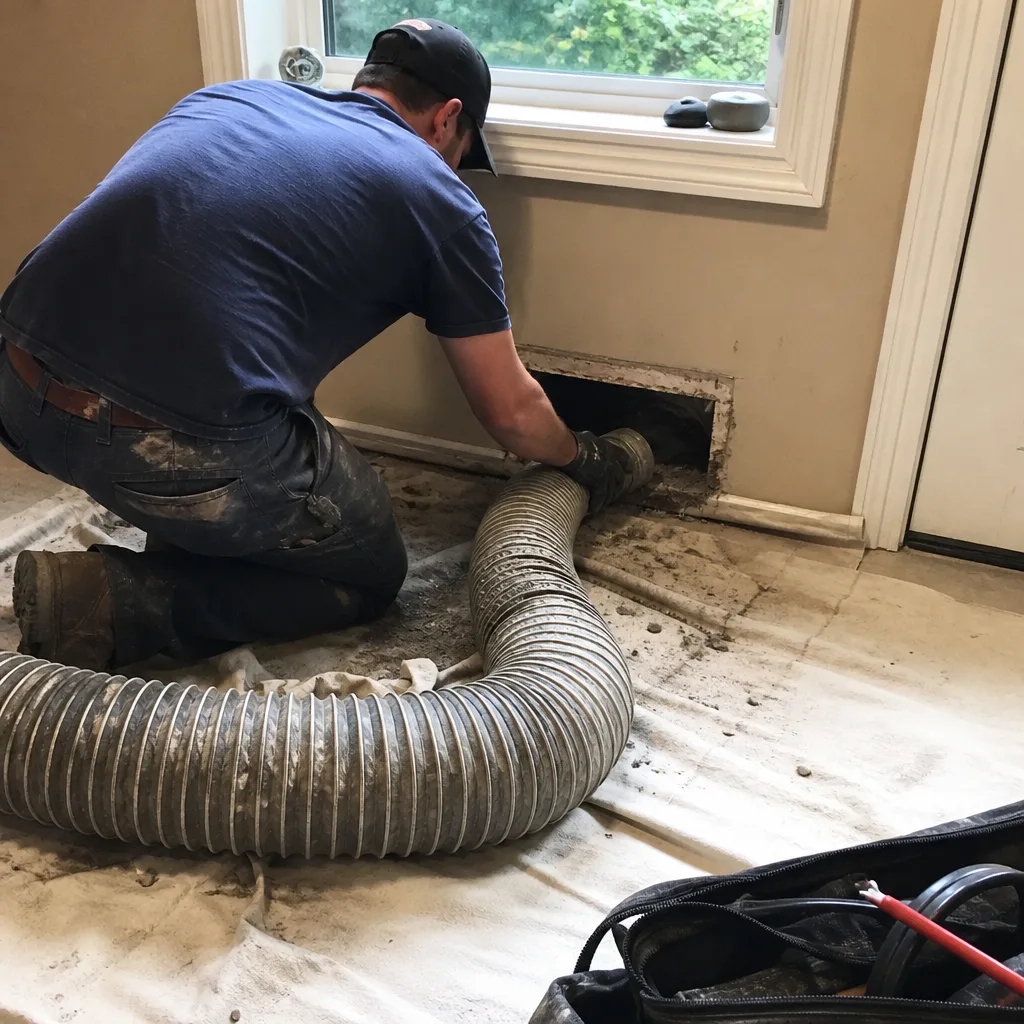 Before
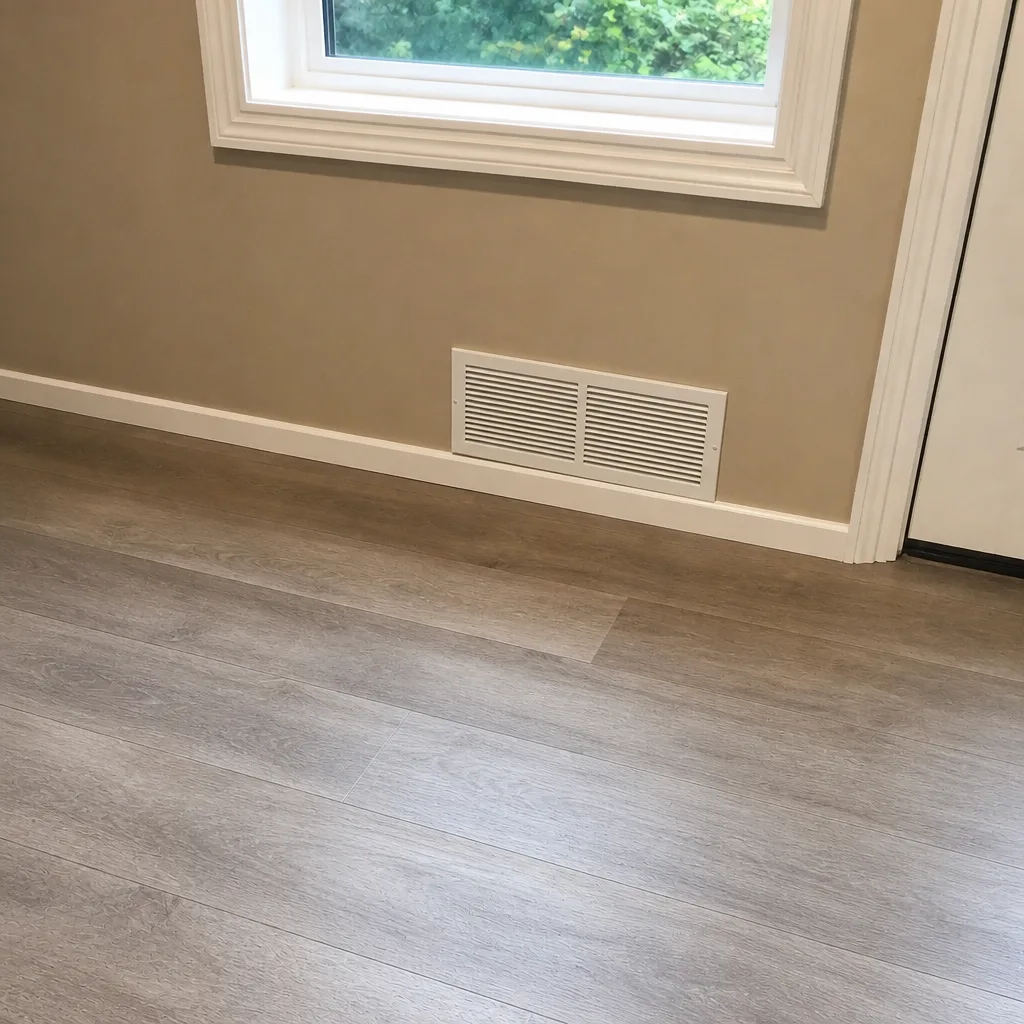 After
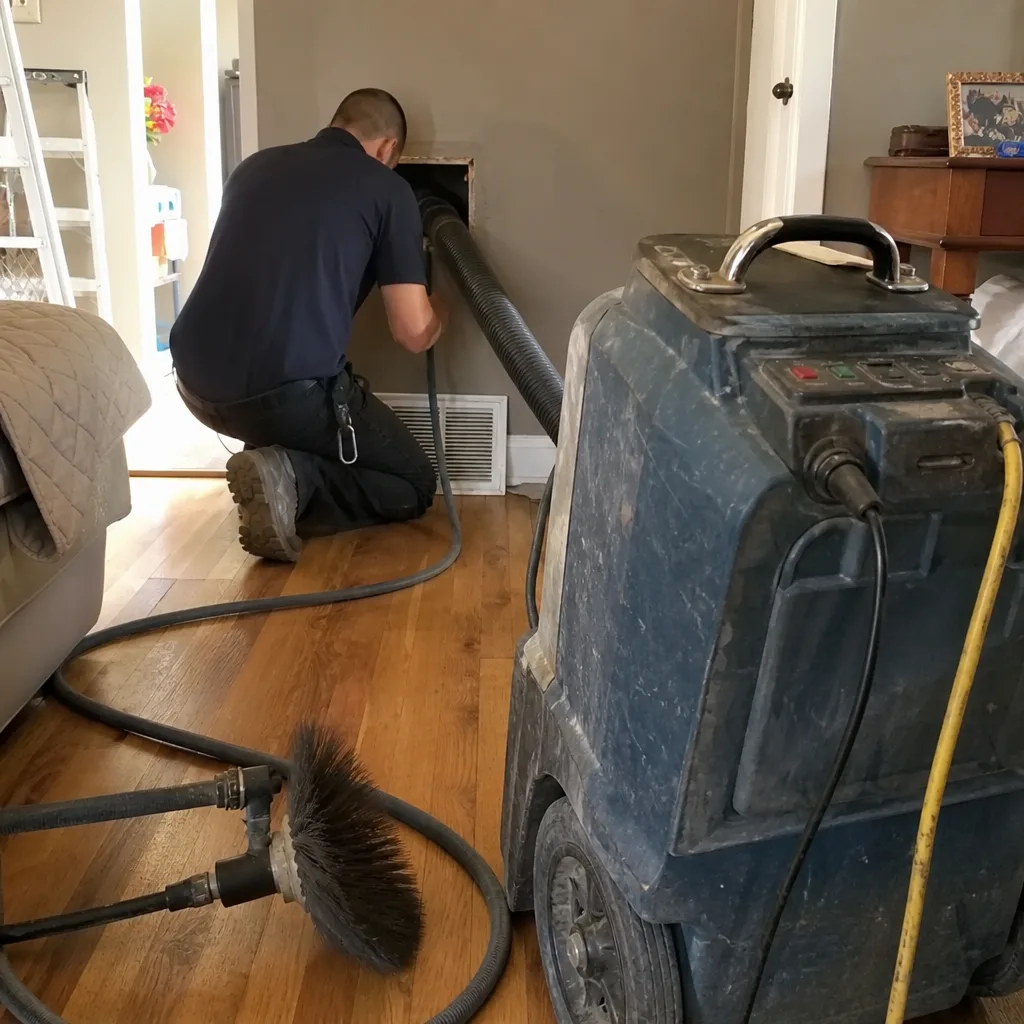 Before
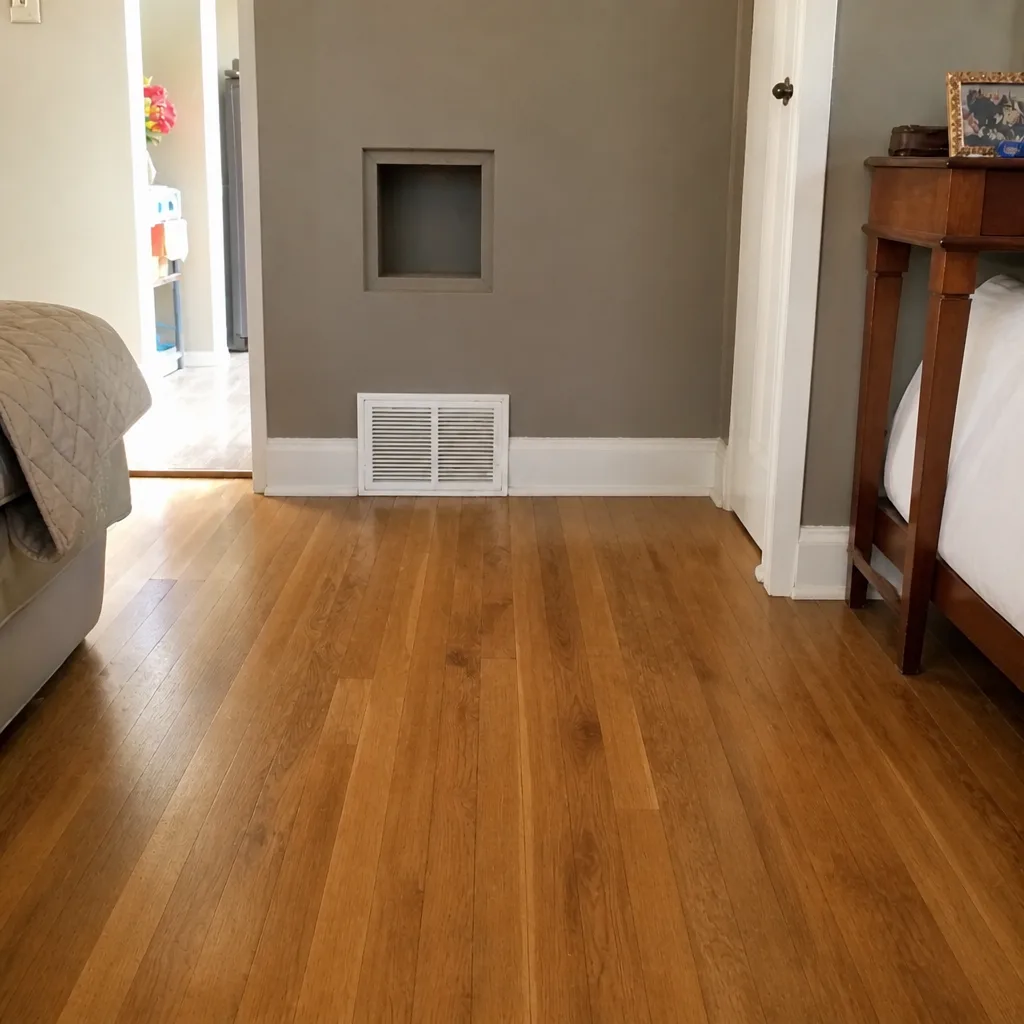 After
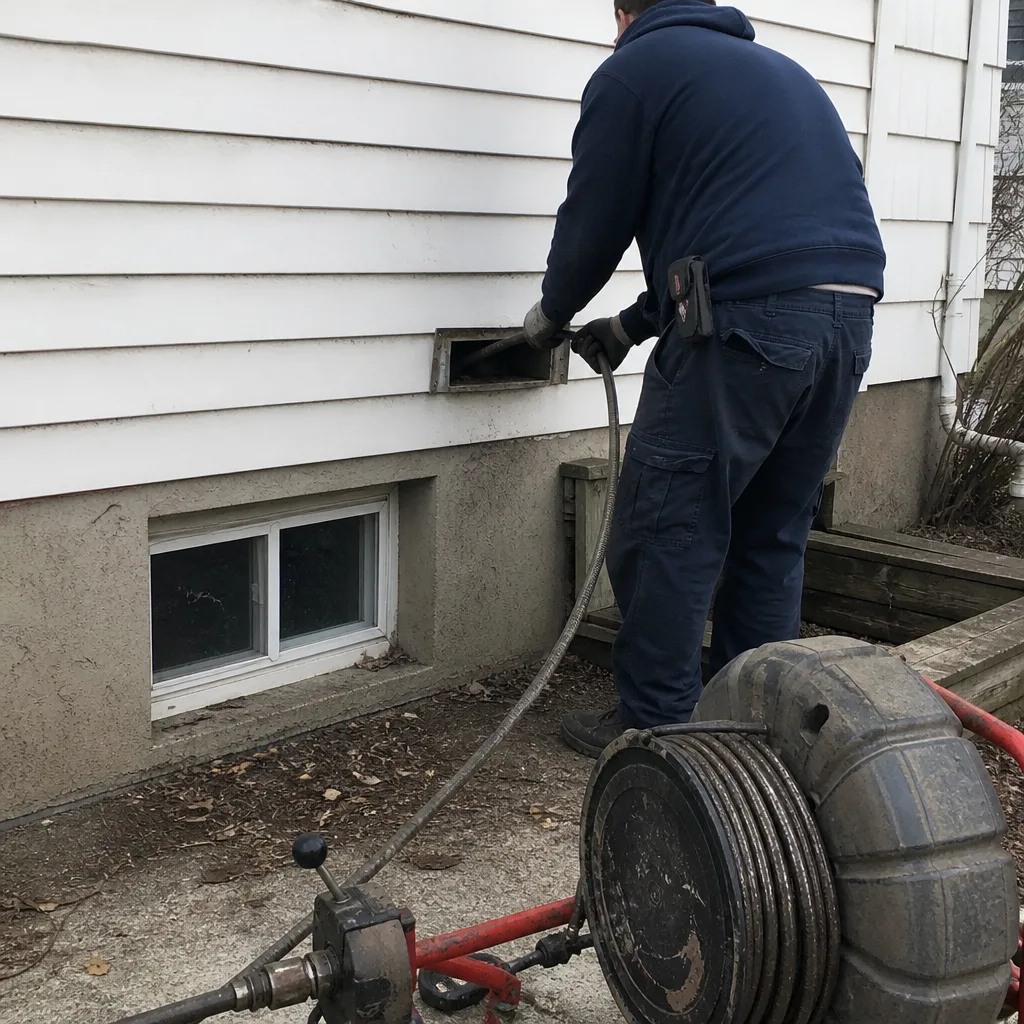 Before
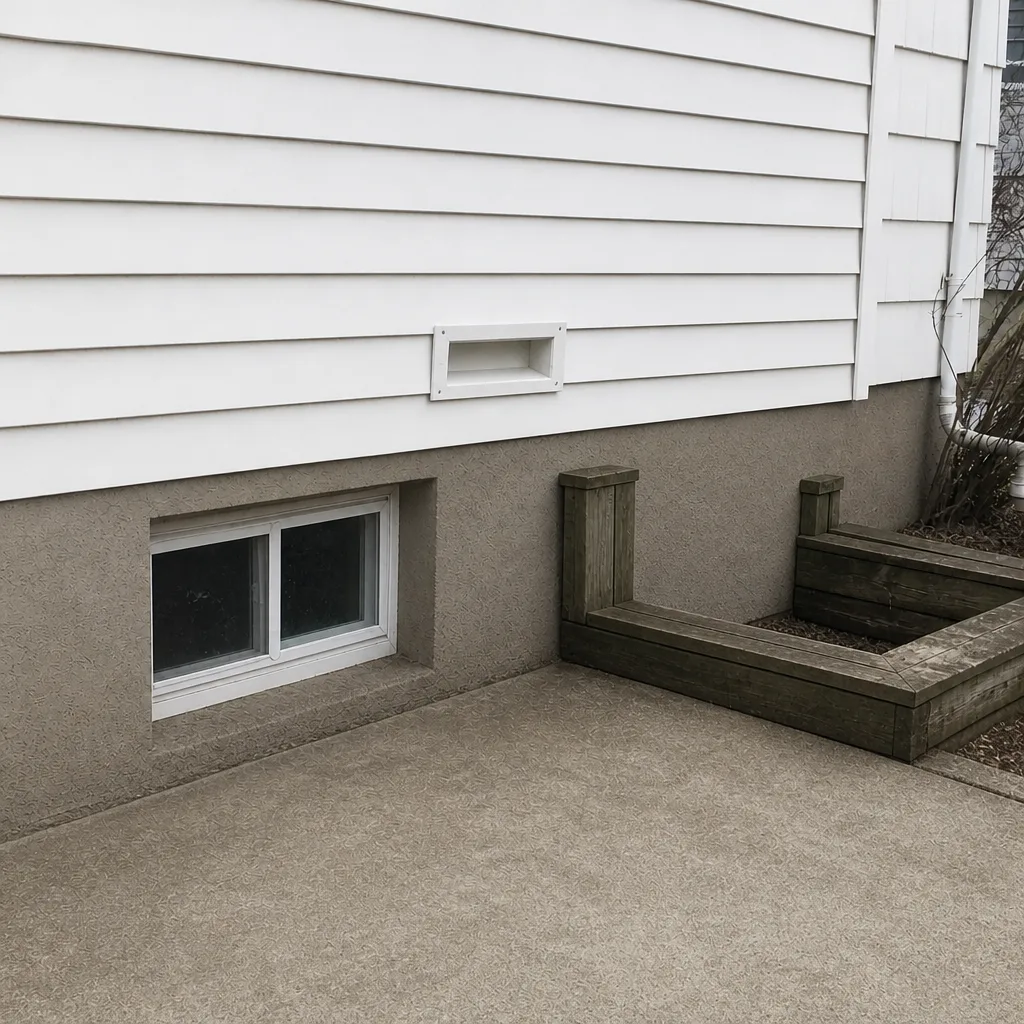 After
When to Call a Professional
Call for professional service when the three-condition test fails, when you can see staining or smell mustiness at any register, when you’ve had a water event that reached a duct run, or when the system is in a multi-unit building with shared returns. Call when you need the air handler, coil, or plenum cleaned properly – that scope is off-limits for DIY for safety reasons, not just equipment reasons. Call when the dryer vent run has never been cleared or the exterior flap stays closed. And call when you want documentation that the work was actually done, because photos of your own ducts before and after are how you verify that.
Air Duct Cleaning Gravesend offers free estimates in Gravesend – call (844) 917-3975. We answer 24/7. Fast dispatch from 7am to 7pm, Sunday through Friday. Our technicians have up to 13 years of experience, and we use professional-grade Rotobrush and Nikro systems with Abatement Technologies containment so the work happens without redistribution.
Frequently Asked Questions
You can clean your own duct system if it passes three conditions: it’s under ten years old, it has no visible mold or moisture history, and the buildup is light surface dust only. Register-level brushing and vacuuming under those conditions is reasonable. Doing it in a system with biological contamination or older spliced ductwork is not safe without negative-air equipment.
Pricing is per-system and depends on the size and layout of your home’s ductwork, not on a per-vent count. Call (844) 917-3975 for a free estimate; you’ll get a written price agreed before work starts, which is what prevents the low-coupon-then-large-invoice pattern.
Cheap quotes are usually per-vent pricing on a shop-vac-tier job. The provider prices low to get in the door, then charges per vent or adds the work that was actually necessary once they’re on site. Ask what equipment they use, whether negative-air containment is part of the job, and whether you’ll receive before-and-after photos of your own ducts.
Request before-and-after photos taken inside the duct at the plenum and at least one branch line. If a provider can’t produce them, there’s no way to confirm the work happened. Call (844) 917-3975 for a quote that includes documentation.
Yes. Most consumer shop vacs have unfiltered exhaust, so running one into a mold-affected duct pushes spores into the air and out into living space. If you see staining or smell mustiness at a register, don’t vacuum. Get a professional assessment instead.
Yes, and in those buildings it’s more urgent than in a detached house. Shared returns mean one unit’s contamination can travel to other units, and older spliced ductwork is more likely to leak air from wall cavities. DIY is rarely appropriate when the system serves more than one household.
Most homes need it every three to five years, and some never need it at all if the system is well-sealed and filters are changed on schedule. If the ducts have been properly sealed against recontamination, the interval stretches. If they haven’t, it shrinks – which is why we close the loop with sealing and sanitizing rather than just clearing dust.
The Bottom Line
DIY duct cleaning is a real option for a young, dry, lightly-dusted system – and it’s a genuine risk for a system with moisture, mold, or older spliced ductwork. Test your home against the three conditions honestly. Do the DIY tasks that actually matter: register wipe-downs, filter discipline, lint trap clearing, and vent inspection. And when the system fails the test, hire for the scope that consumer equipment can’t touch: negative-air extraction, air handler cleaning, repair and sealing, and post-cleaning sanitizing. This is where we part from a lot of providers: our work goes from air duct cleaning Gravesend through sealing and sanitizing so the contamination doesn’t come back. Our technicians have up to 13 years of experience with Rotobrush and Nikro equipment, and we work with air-quality brands like Aprilaire and Honeywell. Call (844) 917-3975 for a free estimate. We answer 24/7. Fast dispatch from 7am to 7pm, Sunday through Friday.
Written by the team at Air Duct Cleaning Gravesend.